
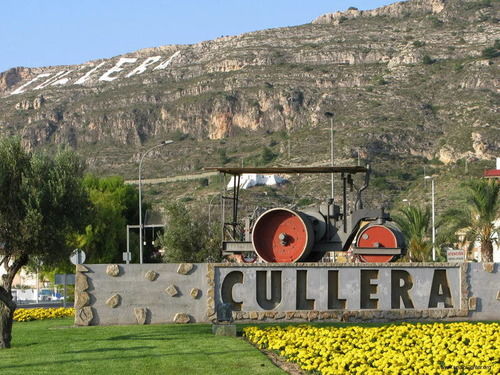
Cullera is a small but very picturesque coastal town in Spain, located just 50 km south of Valencia. The permanent population of the town is about 24,000 people.
However, during the warm season, Cullera turns into a popular resort, and the number of residents and visitors can increase to nearly 200,000 people. Travelers come here for the long sandy beaches, beautiful landscapes, and the relaxed Mediterranean atmosphere.
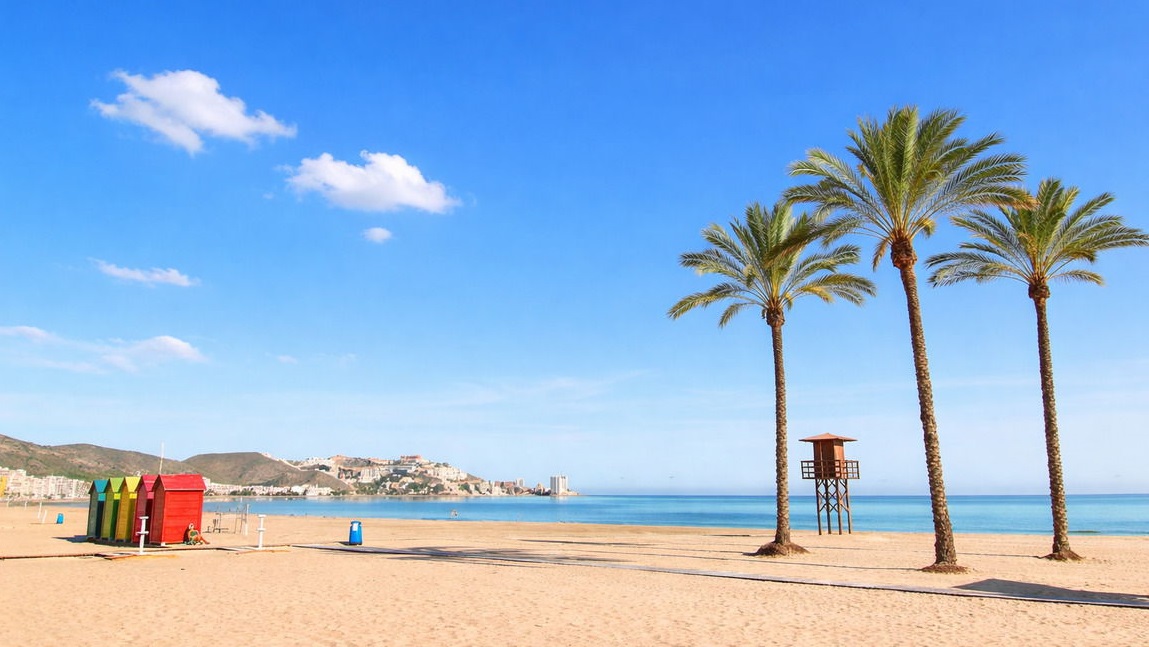
The town is known not only for its beaches but also for its rich history. Here you can see a medieval castle, old quarters, interesting museums, and natural spots that make Cullera one of the most interesting places to visit near Valencia.
Short route through the most popular places in Cullera
Despite the town’s relatively small size, Cullera offers many interesting attractions. Among the most popular places are Cullera Castle, the historic center, the Dragut Pirate Museum, beautiful beaches, and several scenic viewpoints overlooking the Mediterranean Sea.
In this article, the attractions are arranged in the approximate order of a walking route around the town: from the castle and the sanctuary to the lighthouse and the old center, then along the Júcar River and the promenade, and you can finish the walk by relaxing on the beaches of Cullera.
If you are interested in a specific place, use the table of contents below and go directly to the section you need.
Article contents:
Main attractions of Cullera
Below you will find a detailed description of the main attractions of Cullera.
Cullera Castle
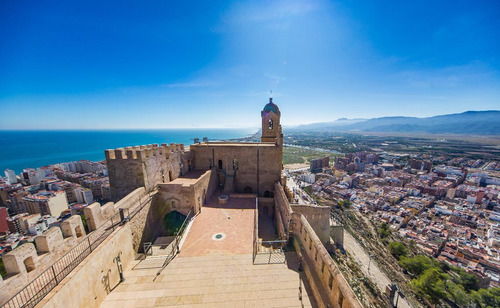
Cullera Castle (Castillo de Cullera) is one of the main historical landmarks of the town. It rises on top of a mountain and is visible from almost any point in Cullera.
The fortress was built in the 9th–10th centuries during the period of Muslim rule on the Iberian Peninsula. Thanks to its strategic location, the castle controlled the mouth of the Júcar River, the coastal territories, and important trade routes.
After the conquest of the region by King James I in 1239, the fortress came under Christian control and became part of the defensive system of the Valencian coast.
In the 16th century, the castle played an important role in protecting the coast from Barbary pirates, who frequently raided Mediterranean towns. Later, in the 19th century, the fortifications were used during the Spanish War of Independence.
Today, Cullera Castle is one of the most impressive places to visit in the town. From here you can enjoy stunning panoramic views of the Mediterranean Sea, the long sandy beaches, and the town of Cullera itself.
Inside the fortress there is the Municipal Museum of History and Archaeology, where visitors can learn about the past of the region. In summer, the castle grounds turn into a cultural venue: concerts, theatrical performances, and various open-air festivals are held here.
By climbing up to the castle, you can not only touch centuries of history but also enjoy one of the most beautiful panoramas of the Valencia coastline.
Sanctuary of the Virgin of the Castle
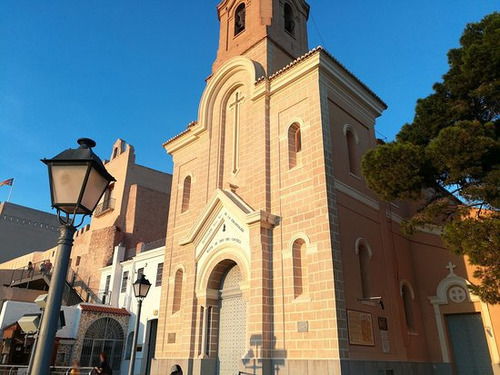
The Sanctuary of the Virgin of the Castle (Santuario de la Virgen del Castillo) is located next to the entrance to Cullera Castle and is one of the most revered religious places in the town.
The temple was built in the 19th century and is dedicated to the patron saint of Cullera — the Virgin of the Castle, whom the locals call “Mare de Déu del Castell”. For many years she has been considered the protector of the town and its inhabitants.
The sanctuary building features elegant yet relatively simple architecture. The main façade is decorated with a bell tower topped with a dome of glazed tiles typical of Mediterranean churches. Inside, the church consists of three naves separated by columns, and the central nave is covered with cylindrical vaults.
The main shrine of the church is the image of the Virgin Mary located in the presbytery. One of the most important traditions of the town is connected with this icon — the festival “Baixà de la Mare de Déu”. During the ceremonial procession, the statue of the Virgin Mary is carried down from the hill to the Church of the Saints Johns in the center of Cullera, where festive services and celebrations take place.
The sanctuary also attracts tourists thanks to its location. From here you can enjoy beautiful views of the town, the coastline, and the Mediterranean Sea, which is why many travelers stop here on their way to Cullera Castle.
After visiting the sanctuary, you can continue walking along the hill and head toward the Cullera Lighthouse — one of the most scenic spots on the coast.
Cullera Lighthouse
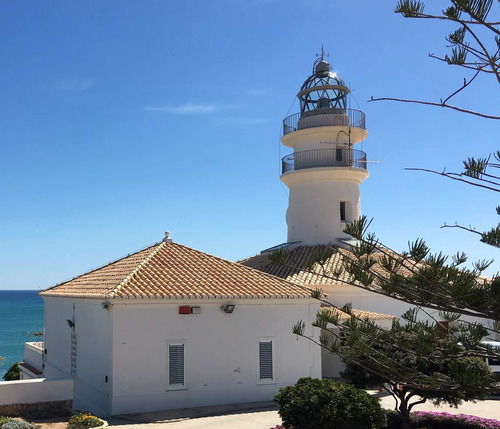
The Cullera Lighthouse (Faro de Cullera) is located on a rocky cape near the district of the same name, Faro, and is considered one of the most picturesque points of the coastline.
The lighthouse was built in the 19th century and still performs its navigational function, helping ships navigate along the coast of Valencia.
This place is especially popular with photographers and lovers of beautiful panoramas. From the viewpoint near the lighthouse there are magnificent views of the Mediterranean Sea, rocky coves, and the long sandy beaches of Cullera.
At sunset the scenery becomes particularly beautiful — the soft light paints the sea and coastline in warm tones, creating one of the most atmospheric panoramas in the town.
After enjoying the sea views by the lighthouse, you can descend the hill and continue your walk through the historic center of Cullera.
Historic Center
The historic center of Cullera is considered to be the Pou district — a cozy labyrinth of narrow streets and small squares located at the foot of the castle and along the old road Camí del Calvari.
This old quarter has preserved the atmosphere of past centuries and the authentic Mediterranean character. It is pleasant to simply walk here without a specific route, gradually discovering the quiet corners of the town.
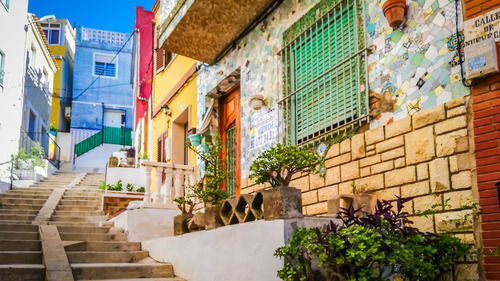
While walking around the district, you can see small houses with bright façades, wrought-iron balconies, old doors, and ceramic street name tiles. On the walls of some houses you may notice interesting inscriptions and decorative elements that give the area a special charm.
The old town of Cullera seems to invite you to slow down: stop at a small square, have a coffee in a local bar, or simply enjoy the atmosphere of calm Mediterranean life.
In addition, this is the place where you can try traditional dishes of the region. Valencian food is known for its variety and rich flavors — from the famous paella to fresh seafood and rice dishes.
If you walk through the historic center on a Thursday, it is worth visiting the local market, which is located about ten minutes away on foot. It is small but very atmospheric.
This region is famous for its street markets, where you can buy fresh fruits, vegetables, and local products directly from farmers while also experiencing the real rhythm of life in a Spanish town.
Church of Saints John
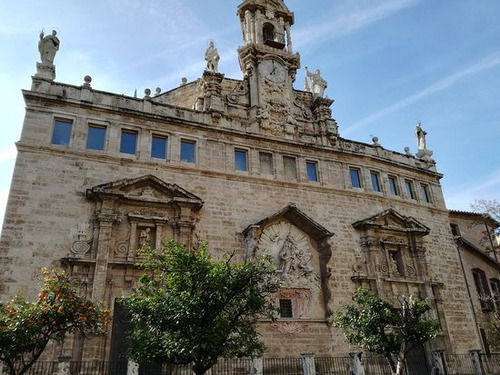
In the very heart of Cullera’s historic center, on the small square Patio de la Iglesia, stands the parish church of the Saints Johns — Parròquia dels Sants Joans. The church was built in the 13th century and for many centuries remained the main religious center of the town.
For a long time it was the only church in Cullera, which is why all important events in the town’s life took place here: religious festivals, baptisms, weddings, and ceremonial processions.
Originally the building was constructed in the Gothic style, but over time the church was rebuilt several times. As a result, its architecture acquired elements of neoclassicism — Corinthian pilasters, semicircular arches, and a brighter, more harmonious interior.
The church is dedicated to two patron saints — St. John the Baptist and St. John the Evangelist, from whom it received its name.
Today the church remains an important part of the cultural and spiritual life of Cullera. Its calm atmosphere, historic interior details, and location among the narrow streets of the old town make this place especially interesting for a walk and for learning about the town’s history.
After exploring the old town, you can head closer to the coast where another unusual attraction of Cullera is located — the Dragut Pirate Cave Museum.
Dragut Cave Museum

Cueva-Museo del Pirata Dragut is one of the most unusual places in Cullera, where you can learn about the times of pirates and corsairs who once spread fear across the entire Mediterranean coast.
The museum is located in a natural cave and is dedicated to the famous Ottoman corsair Dragut (Turgut Reis). In the 16th century he attacked Cullera, looted the town, and captured many residents — an event that remained in the history of the region for a long time.
The museum exhibition allows visitors to literally immerse themselves in the atmosphere of that era. Here you can see dioramas showing the life of the town before the attack, as well as a collection of ancient maps, coins, flags, and models of corsair galleys.
A special highlight is the light and sound show inside the cave, which helps visitors imagine the dramatic events of the 16th century and feel the atmosphere of sea adventures.
Entrance to the museum is paid but quite affordable: about €5 for adults and €3 for children. The museum is open year-round, and in spring and summer the opening hours are usually extended.
To get the most out of the visit, many tourists recommend taking a guided tour — this way the story of the pirate raid and the life of the corsairs becomes much more engaging.
Near the museum there is a small café and a souvenir shop. The cave itself is located among picturesque rocky coves overlooking the Mediterranean Sea, so a walk here becomes another pleasant moment of a trip to Cullera.
Júcar River
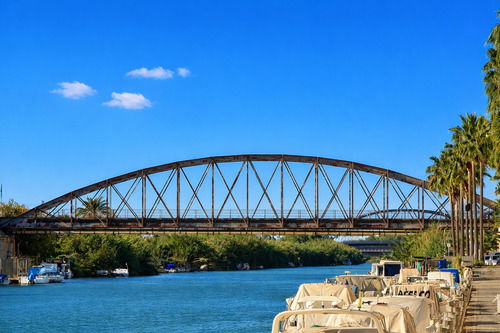
The Júcar River passes through Cullera before flowing into the Mediterranean Sea. Thanks to this river, the town historically developed as an important fishing and trading port.
Today, at the mouth of the Júcar lies the port of Cullera with yachts, fishing boats, and leisure vessels. Along the river you can see bridges, piers, and small walking areas offering beautiful views of the water and the town.
This is a pleasant place for a relaxing walk where you can watch boats, fishermen, and the everyday life of a small Mediterranean port.
Not far from the river mouth begin the beaches and promenade of Cullera, where restaurants and cafés with sea views are located.
Botanical Garden

If you arrive in Cullera by car and have some free time, it is worth visiting the local botanical garden. It is a quiet and very green place where you can discover rare and tropical plants from around the world.
The Cullera Botanical Garden is a private area covering about 22,000 m². It features more than 2,500 plant species, including an impressive collection of palms with around 160 different varieties. The garden also contains about 60 species of cycads and encephalartos — ancient plants that existed on Earth as far back as the time of the dinosaurs.
Entrance to the garden is paid but quite affordable — about €4. Visitors are provided with convenient parking, which makes the visit especially comfortable.
Well-marked walking routes run throughout the garden. Visitors first enter the Mediterranean plant area with dense greenery and small ponds. Then comes the cactus section, where many different shapes and sizes of these fascinating plants are displayed. After that, you can move on to the cycad and encephalartos area, where the differences between these rare species are particularly noticeable.
The garden also includes an open area with a small lake where cultural events and exhibitions are sometimes held. Another highlight is the section with tropical fruit trees — here you can see avocado, mango, and papaya.
A 19th-century estate is also located within the garden grounds. Inside, exhibitions dedicated to the culture and nature of the region are held, along with an interesting ethnological collection. It is a pleasant place to relax for a while after walking along the green alleys.
Aquópolis Water Park
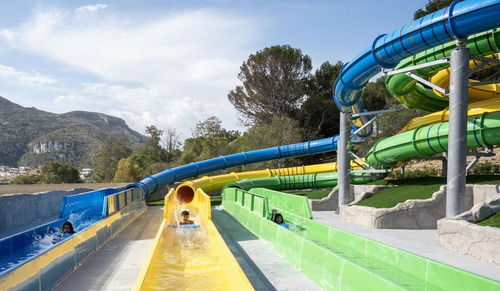
On hot summer days, visiting the Aquópolis water park is a great option for leisure in Cullera. It is a popular destination for family recreation where you can spend the whole day enjoying water attractions and the refreshing pools.
Despite its relatively compact size, the water park has everything needed for a fun and active day. For adrenaline lovers, there is the “Black Hole” attraction — a closed water slide with sharp turns and unexpected drops.
Those who prefer a more relaxed experience can enjoy the wave pool, where you can feel as if you are swimming in the real sea, the “Amazon River” for a calm floating ride, and the “Volcano Jacuzzi” area, which is perfect for relaxing after active entertainment.
Aquópolis Cullera also offers all the necessary amenities for a comfortable visit: restaurants, cafés, shops, and sunbed rentals where you can relax and sunbathe.
Different types of tickets are available for visitors, including the “Speedy Pass”, which allows you to reduce waiting times for the most popular slides and attractions.
Thanks to the variety of attractions and convenient infrastructure, the water park is considered one of the most popular summer leisure spots in Cullera, especially for families with children.
Beaches
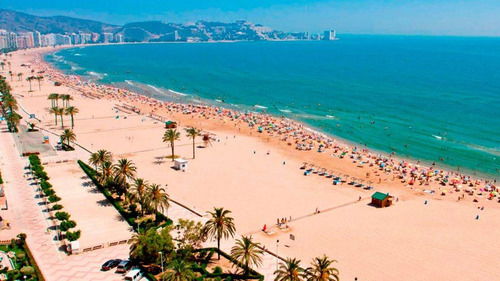
Cullera is famous for its long sandy beaches and the clean waters of the Mediterranean Sea. Thanks to the long coastline, it is easy to find both lively resort areas with well-developed infrastructure and quieter corners for a more peaceful holiday.
Many beaches in Cullera have been awarded the “Blue Flag”, confirming the high quality of the water, safety, and good level of services. Let’s look at some of the most popular ones.
Los Olivos Beach
Playa de Los Olivos is one of the calmest and coziest beaches in Cullera. It is located between the Faro district (where the lighthouse stands) and Racó Beach, which protects it well from strong waves.
Soft sand, calm waters, and a beautiful coastline make it a perfect place for relaxing and swimming. Nearby there are restaurants and small cafés where you can try Mediterranean cuisine.
San Antonio Beach
Playa de San Antonio is the longest and one of the most popular beaches in Cullera. It smoothly connects with the neighboring Racó Beach and together they form a large resort area.
In summer the area becomes especially lively: along the beach there is a promenade with restaurants, bars, and shops. Visitors can enjoy various water sports here — rent a pedal boat, kayak, or try paddle surfing.
In the evening the area becomes even more atmospheric: café terraces open along the promenade, music plays, and the typical resort nightlife begins.
El Dosel Beach
Playa El Dosel is located near the natural area at the mouth of the Júcar River and is considered one of the most picturesque beaches in Cullera. It is usually quieter here than in the central areas.
The beach is especially popular among surfers thanks to stronger waves that often appear in the afternoon. At the same time, the sea is usually calm in the morning, so families with children often come here.
On the right side of the beach there is a small rocky area where you can go diving or snorkeling and observe marine life.
El Faro Beach
Playa El Faro is a small and cozy beach located near the Cullera Lighthouse. It is a quiet place with very clear water and beautiful views of the rocky coastline.
The beach is known for its fine sand and seashells that can often be seen along the shore. Nearby is the “Rompe Olas” breakwater, and in the surrounding area there are popular restaurants El Faro and Benavent where you can enjoy dinner with a sea view.
What else to see near Cullera
If you are traveling around the Valencia region, there are many other interesting places near Cullera. Below are a few ideas for trips and walks in the surrounding area.
- Valencia attractions — the main places in the city: the historic center, squares, museums, and architectural landmarks.
- City of Arts and Sciences in Valencia — one of the most famous modern architectural complexes in Spain.
- Attractions near Valencia — interesting towns, natural parks, and travel destinations not far from the regional capital.
- What to see in Gandía — a popular resort town with beautiful beaches and a rich history.
- What to see in Oliva — a small atmospheric coastal town with a charming historic center.
- Amusement parks in Valencia — the best water parks and family parks in the region, including Aquópolis Cullera and Family Park.

 English
  Español
  Русский