
Camino de Santiago is one of the most famous travel routes in Spain and Europe, attracting hundreds of thousands of pilgrims and travelers from all over the world every year. This historic route combines nature, culture, gastronomy, and spiritual experience, turning an ordinary trip into a truly personal adventure.
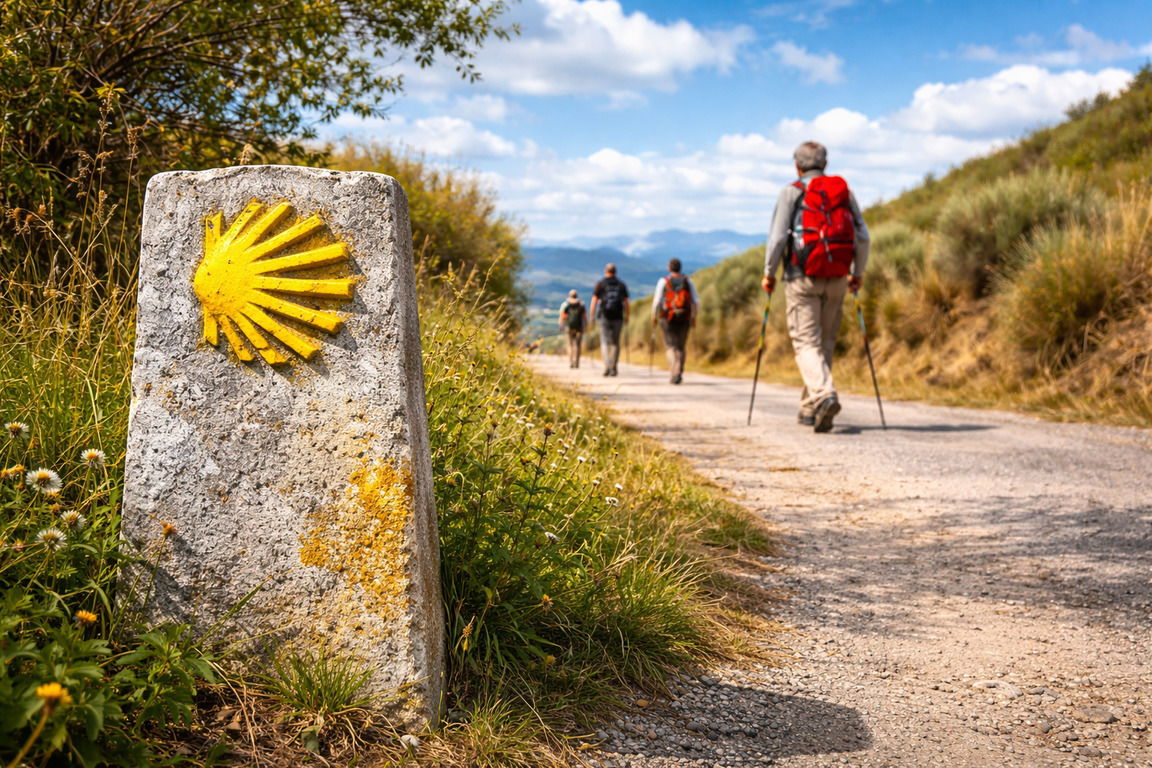
This article provides clear and practical information about the Camino de Santiago: how the route works, which routes exist, how long the journey takes, how difficult it is, and how to prepare for it for the first time. You will learn where pilgrims stay, when it is best to start the journey, what to expect from daily walking stages, and why this route has remained one of the most remarkable journeys in Europe for more than a thousand years.
Camino de Santiago: quick overview before you begin
- 📍 Country: Spain and Europe
- 🥾 Route length: 100–800 km
- ⏱ Duration: from 5 days to 5 weeks
- 🏔 Difficulty: suitable for most travelers
- 💶 Average budget: €20–40 per day
- 🛏 Accommodation: albergues, hostels, hotels
- 📅 Best time: April–June and September–October
- ⭐ Suitable for beginners and experienced travelers
Below you will find the main routes, history, preparation tips, and practical advice to help you plan your Camino de Santiago step by step.
Article contents:
Before planning your route, it is important to understand the history and meaning of the Camino de Santiago.
What is the Camino de Santiago, its meaning and interesting facts
The Camino de Santiago is a historic pilgrimage route leading to the tomb of the Apostle James in the city of Santiago de Compostela in northwestern Spain. Its history dates back to the early Middle Ages, when thousands of pilgrims from across Europe set out on a long journey to venerate the saint, considered the patron saint of Spain and one of the twelve apostles of Jesus Christ.
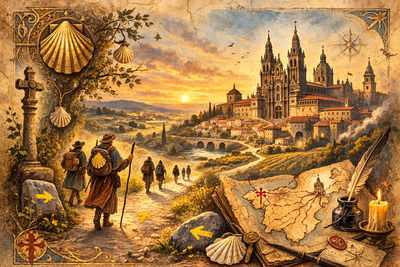
Over the centuries, the Camino de Santiago became one of the three main Christian pilgrimages in Europe alongside Rome and Jerusalem. Medieval roads gradually formed an entire network of routes passing through France, Portugal, and various regions of Spain, bringing together cultures, languages, and traditions.
Today, the Camino de Santiago is not only a religious pilgrimage but also a popular journey for people of different backgrounds and ages. Many walk the route for nature, personal reflection, physical challenge, or the desire to slow down and step away from the usual rhythm of everyday life.
Every year, hundreds of thousands of people complete at least part of the Camino de Santiago on foot, by bicycle, or even on horseback. To receive the official pilgrim certificate — the Compostela — it is necessary to complete at least 100 km on foot or 200 km by bicycle to Santiago de Compostela.
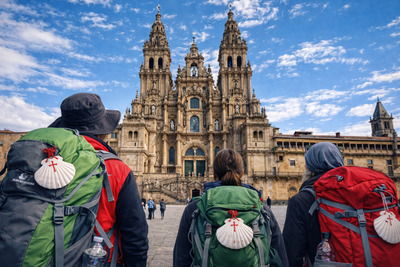
The main feature of the Camino de Santiago is that it is not a single route, but an entire network of paths marked by the scallop shell symbol and yellow arrows that guide pilgrims throughout the journey.
Why do people walk the Camino de Santiago today?
The purpose of the Camino de Santiago is multifaceted and personal for every pilgrim. For most people, it is an opportunity to:
- Undertake a religious pilgrimage and deepen their faith.
- Clear the mind from everyday stress and reconnect with nature.
- Test their physical and mental limits.
- Meet new people and discover different cultures.
- Find answers to important life questions and better understand themselves.
- Simply take a break from routine and reset.
Interesting facts about the Camino de Santiago
The Camino de Santiago is not just a route but a cultural and historical phenomenon surrounded by traditions, symbols, and unique characteristics.
- 🌍 More than 300,000 pilgrims every year — hundreds of thousands of people from around the world complete the journey to Santiago de Compostela annually, and the number continues to grow.
- 🏛 UNESCO World Heritage Site — the main Camino de Santiago routes are included on the UNESCO World Heritage List due to their historical and cultural significance.
- ➡️ Yellow arrows as the main guide — symbolic arrows and scallop shells mark the direction along thousands of kilometers of the route.
- 🥾 Minimum distance — 100 km — this is the minimum distance required on foot to receive the official pilgrim certificate, the Compostela.
- 🎒 Anyone can become a pilgrim — today the Camino is walked not only by believers but also by travelers, athletes, students, and people seeking new life experiences.
- 🤝 A unique community atmosphere — helping each other, sharing experiences, and greeting fellow pilgrims with “Buen Camino” is a long-standing tradition along the route.
- ⭐ Thousands of years of history — the first organized pilgrimages to the tomb of the Apostle James began as early as the 9th century.
It is the combination of history, nature, personal experience, and an international atmosphere that makes the Camino de Santiago one of the most unique journeys in Europe.
Main Camino de Santiago routes
There are several Camino de Santiago routes, each differing in landscapes, difficulty level, infrastructure, and overall travel atmosphere. The choice depends on your experience, available time, and the type of journey you want — spiritual, nature-focused, or cultural.
- Camino Francés: the most popular and well-prepared Camino route. It begins in the French town of Saint-Jean-Pied-de-Port and passes through Pamplona, Burgos, and León. Length — about 780 km. Known for its developed infrastructure, numerous albergues, and social atmosphere, making it the best choice for a first Camino.
- Camino Portugués: the second most popular route, starting in Lisbon or Porto. The path passes through historic cities and wine regions of Portugal and Galicia. The terrain is gentler and less mountainous, making it comfortable for a relaxed journey.
- Camino del Norte: a route along Spain’s northern coast through the Basque Country, Cantabria, and Asturias. Famous for Atlantic Ocean views, green hills, and more challenging terrain. Less crowded and ideal for those seeking nature and solitude.
- Camino Primitivo: considered the oldest pilgrimage route, starting in Oviedo. It crosses mountainous areas of Asturias and Galicia and requires good physical preparation. Despite its difficulty, many consider it the most authentic and scenic Camino route.
- Camino Inglés: one of the shortest routes, starting in Ferrol or A Coruña. Historically used by pilgrims from England and Northern Europe arriving by sea. Suitable for those with limited time who still want a full pilgrimage experience.
Tip: if this is your first Camino de Santiago, most travelers choose the Camino Francés or Camino Portugués thanks to easy navigation, strong infrastructure, and the presence of many fellow pilgrims.
How many days does the Camino de Santiago take?
The duration of the Camino de Santiago primarily depends on the chosen route, physical fitness, walking pace, and how often you plan to stop for rest or sightseeing. Some people approach it as a sporting challenge, while others turn it into a slow journey with stops in historic towns and small villages.
On average, pilgrims walk between 20 and 30 kilometers per day. However, this is only a guideline: some prefer shorter stages with more rest time, while others cover significantly longer distances each day.
Average duration of popular routes
- Camino Francés — about 30–35 days (≈780 km).
- Camino Portugués — 10–14 days from Porto or 25–30 days from Lisbon.
- Camino del Norte — 30–35 days due to more challenging terrain.
- Camino Primitivo — 12–15 days, requires good physical fitness.
- Camino Inglés — 5–7 days, one of the shortest routes.
Minimum distance to receive the certificate
To receive the official pilgrim certificate — the Compostela — you must walk at least 100 km or cycle at least 200 km. For this reason, many travelers start from the town of Sarria on the Camino Francés, which typically takes about 5–7 days to complete.
What affects the duration of the Camino
- Chosen route — flat routes are completed faster, while mountain routes require more time.
- Physical fitness — experienced hikers can walk longer distances each day.
- Travel pace — athletic or meditative.
- Weather conditions — heat or rain may slow progress.
- Desire to explore towns — many pilgrims add extra rest days.
Tip: there is no need to try to complete the route as quickly as possible. Most pilgrims note that the true meaning of the Camino de Santiago reveals itself in a calm rhythm, when there is time to enjoy the journey, encounters, and the atmosphere of the route.
The minimum distance required to receive the Compostela certificate is 100 km, which usually takes 5–7 days. The full Camino Francés may take about 30–35 days.
How difficult is the Camino de Santiago?
The difficulty of the Camino de Santiago largely depends on the individual: their physical fitness, chosen route, walking pace, and even psychological mindset. For some, it becomes a pleasant walk lasting several weeks; for others, a true test of endurance.
Many future pilgrims begin preparing in advance by walking more, taking long hikes with a backpack, and gradually increasing distances. This preparation helps the body adapt to daily stages, which usually range from 20–30 km per day.
However, even good preparation does not guarantee an easy start. Many travelers admit that the most difficult days are the first ones. The body is not yet used to constant physical effort: blisters appear, legs feel tired, and overall physical tension builds up. Some pilgrims realize halfway through the journey that they overestimated their strength — and this is completely normal. In some cases, people decide to shorten the route or travel part of the way to Santiago de Compostela by train or bus.
It is important to understand that the Camino de Santiago is not a sporting competition. Everyone has their own rhythm and personal goal. Some walk the entire route, others take breaks, and some complete only part of the Camino — all of these are considered a full and valid experience.
At the same time, most pilgrims agree on one thing: despite the physical fatigue, the Camino de Santiago becomes an incredibly engaging and emotional journey. New friendships, changing landscapes, the feeling of moving forward, and the simplicity of daily life create an experience many describe as one of the most memorable of their lives.
Tip: start the journey without rushing, listen to your body, and do not compare yourself to others. The Camino is a personal journey, not a race for results.
How to prepare for the Camino de Santiago
Thorough preparation is one of the key factors for completing the Camino de Santiago comfortably and safely. Although the route is accessible to people with different fitness levels, planning important details in advance helps avoid fatigue, injuries, and unnecessary stress along the way.
Below are the main aspects to consider before starting your pilgrimage.
Physical preparation
Regular walking is the best preparation for the Camino de Santiago. About 2–3 months before the trip, it is recommended to gradually increase walking distances, including climbs and descents. Training with a backpack is especially useful so the body can adapt to additional weight.
- Start with walks of 5–7 km.
- Gradually increase distances to 15–20 km.
- Train in the same footwear you plan to use on the Camino.
The main goal is not speed but adapting to daily physical effort.
Equipment for the Camino de Santiago
Properly chosen equipment greatly affects travel comfort. Experienced pilgrims advise bringing only the essentials: your backpack should not exceed 10% of your body weight.
- Comfortable, well-broken-in walking shoes.
- Lightweight layered clothing and a rain jacket.
- A small backpack (30–40 L).
- A sleeping bag or lightweight liner for albergues.
- A small first-aid kit, blister plasters, and sunscreen.
- A hat and trekking poles (optional).
The best rule is to test all equipment in advance rather than using it for the first time on the route.
Credencial — the pilgrim passport (Credencial del Peregrino)
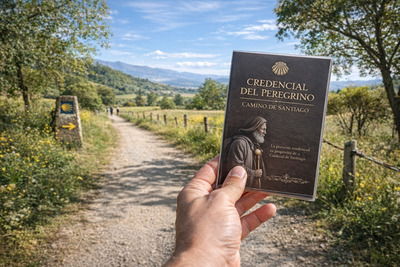
The Credencial (Credencial del Peregrino) is the official pilgrim passport for the Camino de Santiago. It is required for staying in albergues and for receiving the Compostela certificate at the end of the journey.
During the trip, pilgrims collect special stamps (sellos) in their credencial to confirm completion of the route. These stamps are placed in albergues, churches, cafés, and even small shops along the way — over time, the document turns into a unique travel diary.
Where to get a pilgrim passport
The credencial can be obtained either before starting the Camino or directly along the route. It is most commonly issued:
- in churches and cathedrals of starting cities,
- in tourist offices,
- by Camino de Santiago associations,
- in municipal and private albergues.
If you arrive without a pilgrim passport, that is completely normal: many travelers obtain one at their first albergue before starting the journey.
How much does the credencial cost
The cost is symbolic and usually ranges from €1 to €3. Sometimes it is issued free of charge in exchange for a voluntary donation, which helps support the pilgrimage infrastructure.
How to use the credencial on the route
- Collect at least 1 stamp per day (during the last 100 km — 2 stamps per day).
- Keep the document together with your passport or other important belongings.
- Show the credencial when checking into albergues.
Important: without a credencial, it is impossible to receive the official pilgrim certificate, the Compostela, in Santiago de Compostela.
Over time, collecting stamps becomes a small daily ritual of the Camino. Each sello reminds you of a completed stage, new encounters, and the places you have passed through. Many pilgrims admit that by the end of the journey, the credencial becomes more than just a document — it turns into a personal travel story worth keeping as a memory.
Budget planning
The cost of the Camino de Santiago depends on the route, season, and level of comfort. On average, pilgrims spend:
- €20–40 per day when staying in albergues,
- €40–70 when choosing private guesthouses and hotels.
Some small towns accept cash only, so it is recommended to carry a reserve of cash.
Language and communication
Basic knowledge of Spanish greatly simplifies the journey. Even a few simple phrases help when communicating with locals, ordering food, and solving everyday situations more easily.
However, the Camino is an international route, so many pilgrims communicate in English, and the atmosphere of mutual support makes communication easy even without language skills.
Where pilgrims stay: booking accommodation on the Camino
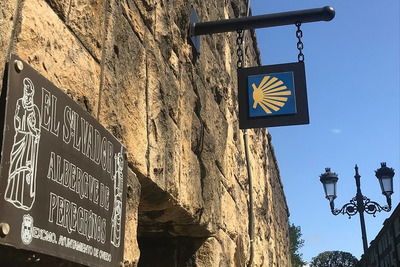
Accommodation is usually not a problem on the Camino de Santiago — along the routes, almost every town and village offers places to stay overnight. Pilgrims choose options depending on their budget and desired comfort level.
The most popular option is the albergue, special hostels for pilgrims. This is simple accommodation with shared rooms, showers, and common areas where it is easy to meet other travelers. The cost usually ranges from €10–20 per night.
Those who want more privacy can choose small hotels, hostels, or apartments — many pilgrims select these occasionally to recover after more demanding stages of the journey.
How to book accommodation on the Camino de Santiago
Beginners often worry about finding a place to stay, but in practice it is quite simple. There are several convenient booking methods:
- Pilgrim apps — popular options include Buen Camino, Wise Pilgrim, and Camino Ninja, where you can view route maps and available albergues.
- Booking.com and similar services — suitable for hotels, hostels, and private albergues.
- By phone or WhatsApp — many small albergues accept direct reservations.
- On arrival — the traditional Camino approach: arrive in town and find accommodation upon arrival (works best outside peak season).
During high season (May–September), popular places can fill up quickly. If comfort and a predictable schedule are important to you, book accommodation in advance. However, many pilgrims prefer searching for lodging along the way — this allows them to walk at their own pace and change plans freely.
Important: on the Camino, it is rarely necessary to book the entire route in advance. Many pilgrims decide where to stay next during the journey itself, depending on how they feel and the atmosphere of the day.
When is the best time to walk the Camino de Santiago?
The best time to walk the Camino de Santiago depends on your goals, preferences, and the type of experience you want to have. The route is open year-round, but weather conditions, the number of pilgrims, and the overall atmosphere change significantly depending on the season.
Most travelers choose spring and autumn — these periods are considered the most comfortable for walking the Camino.
🌸 Spring (April — June)
Spring is one of the best periods to walk the Camino de Santiago. Nature comes alive, fields turn green, and temperatures usually remain comfortable for long-distance walking.
- Moderate temperatures (15–25°C).
- Blooming landscapes and long daylight hours.
- Less heat compared to summer.
- The number of pilgrims gradually increases.
Best for: beginners and those who want a balance between comfortable weather and a lively Camino atmosphere.
☀️ Summer (July — August)
Summer is the most popular and at the same time the most challenging season. Routes become lively and social, but high temperatures can significantly complicate daily stages.
- Temperatures often exceed 30°C, especially in central Spain.
- Many pilgrims and a vibrant social atmosphere.
- Early starts are sometimes necessary (5–6 a.m.).
- Accommodation fills up faster.
Best for: those who enjoy active social interaction and are not afraid of heat.
🍂 Autumn (September — October)
Autumn is considered the ideal time for the Camino by many experienced pilgrims. The heat subsides, routes become quieter, and landscapes take on warm golden tones.
- Comfortable temperatures for walking.
- Fewer people compared to summer.
- Soft light and especially beautiful scenery.
- A calmer atmosphere along the route.
Best for: those seeking a more meditative and peaceful experience.
❄️ Winter (November — March)
In winter, far fewer people walk the Camino, and the route takes on an almost solitary character. However, weather conditions become more challenging, and some albergues close.
- Cool and rainy weather.
- Some sections may feel deserted.
- Less accommodation available.
- A special atmosphere of silence and reflection.
Best for: experienced travelers and those seeking solitude and a deeper personal experience.
How to choose the best time for yourself
- Want comfortable weather — choose spring or autumn.
- Enjoy an active social atmosphere — summer.
- Looking for silence and an inner journey — the off-season or winter.
Tip: regardless of the season, start your stages early in the morning. This helps avoid heat, maintain a calm pace, and truly experience the atmosphere of the Camino de Santiago.
A typical pilgrim’s day on the Camino de Santiago
Each day on the Camino de Santiago is somewhat similar to the previous one, yet never exactly the same. Over time, pilgrims develop a special rhythm of life shaped by the road, the weather, and their own feelings.
Many say that after just a few days, the Camino becomes not simply a journey but a new way of life — simple, calm, and surprisingly clear.
🌅 Early morning: the start of the journey
A pilgrim’s day usually begins early — between 5:30 and 7:00 a.m. In albergues, you can hear the quiet rustle of backpacks, footsteps in corridors, and the soft glow of headlamps.
Most pilgrims try to begin walking before the heat and meet the sunrise already on the road. The first kilometers often pass in near silence — only the sound of footsteps and nature around.
Many pilgrims remember the morning as their favorite time of day: the road is still empty, thoughts are clear, and the feeling of a new day creates a true sense of adventure.
🥾 Walking and breaks
On average, pilgrims walk between 15 and 25 kilometers per day, stopping in small villages and cafés along the way. These pauses become an important part of the Camino — moments to meet people, share stories, and rest.
A classic pilgrim breakfast is café con leche and toast with tomato or a croissant. Sometimes friendships that last the entire journey begin during these short stops.
Many people say that on the Camino you constantly meet the same travelers again and again: some walk faster, others slower, but the road seems to bring you back together repeatedly.
☀️ Midday walking stage
By midday, the sun becomes stronger and the road demands more effort. This is often when pilgrims first truly feel the physical strain: fatigue appears, blisters form, and the desire for a long break grows.
Some pilgrims admit that the first days can be the most difficult — some shorten their route or temporarily use a train. This is considered a normal part of the Camino: everyone completes the journey in their own way.
🏡 Arrival at the albergue
Pilgrims usually arrive at their overnight stop between 1:00 p.m. and 4:00 p.m. After check-in begins a familiar ritual: showering, washing clothes, resting, and discussing the day’s experiences.
Albergues quickly turn into small international communities — people from different countries, ages, and professions often share the same table.
Many pilgrims say that evening conversations become one of the most valuable parts of the journey — strangers easily share personal stories, as if the road removes usual social boundaries.
🌙 Evening and rest
In the evening, pilgrims dine at local restaurants or cook together. A popular option is the menú del peregrino, a special pilgrim menu offering several courses at an affordable price.
The day ends early: by 9–10 p.m., most people go to sleep, as the journey begins again in the morning.
The main discovery of the Camino: after a few days, many realize that happiness here consists of simple things — the road, conversations, fatigue, and the feeling of moving forward.
History and symbolism of the Camino de Santiago
The history of the Camino de Santiago dates back to the early Middle Ages. According to historical sources, in the 9th century the remains of the Apostle James — one of the twelve disciples of Jesus Christ — were discovered in Galicia at the site of present-day Santiago de Compostela.
According to legend, after his missionary work on the Iberian Peninsula, Saint James was buried here. Centuries later, the hermit Pelayo saw a mysterious light above a hill that revealed the burial site. This event marked the beginning of a pilgrimage tradition that changed the history of Europe.
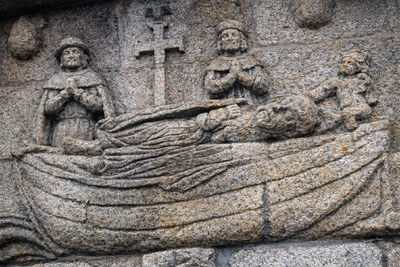
At first, the route developed spontaneously: pilgrims created their own paths through towns and villages, guided by stories and religious traditions. By the 11th–12th centuries, however, the Camino de Santiago had become one of the three main Christian pilgrimages in the world alongside Jerusalem and Rome.
Monasteries, hospitals, bridges, and special pilgrim shelters — albergues — began to appear along the road. The Camino became not only a religious journey but also an important cultural corridor through which knowledge, architectural styles, music, and ideas spread between European regions.
Over time, the network of routes expanded across what is now Spain, France, and Portugal. Each path offered its own landscapes, traditions, and historic cities, making the Camino a unique combination of spiritual experience and travel.
By the end of the Middle Ages, interest in pilgrimage gradually declined due to wars, epidemics, and political changes, and many routes were forgotten. However, in the second half of the 20th century, the Camino de Santiago experienced a true revival. The 1980s played a particularly important role, when the route was restored, marked with the famous yellow arrow, and reopened to travelers.
Today, the Camino de Santiago is not only a religious pilgrimage but also an international cultural phenomenon. People set out on the journey in search of spiritual meaning, personal change, connection with nature, and self-discovery, continuing a tradition that has existed for more than a thousand years.
The scallop shell — the main symbol of the Camino de Santiago
One of the most recognizable symbols of the Camino de Santiago is the scallop shell (concha). Today it can be seen everywhere: on route signs, buildings, pilgrims’ backpacks, and even on city pavements along the way.
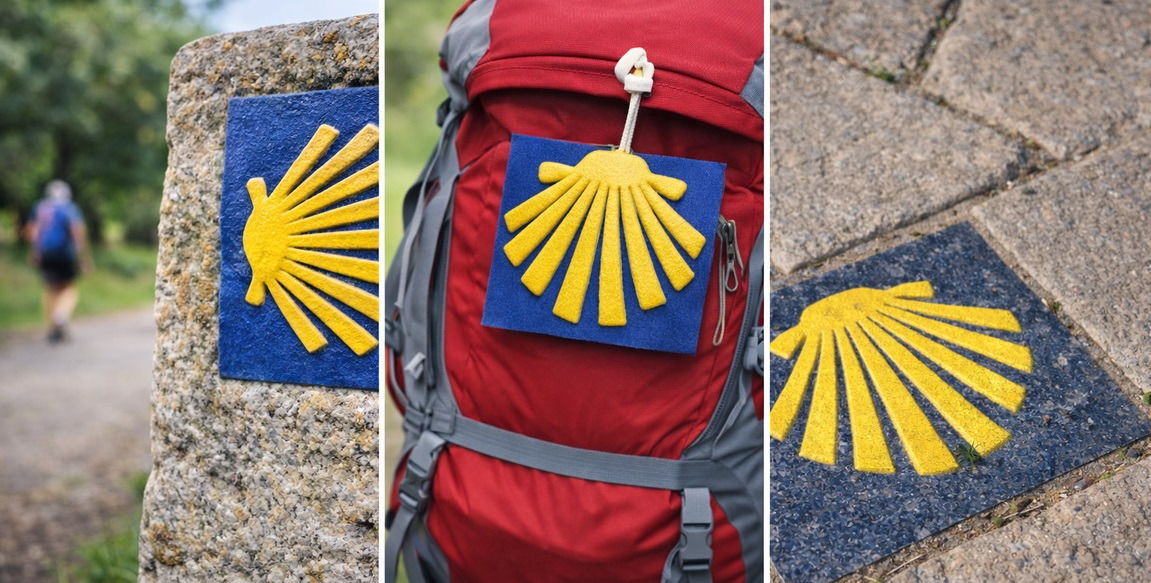
Historically, the shell became a symbol of pilgrimage thanks to the route’s final destination — Galicia, located on the Atlantic Ocean. Pilgrims who reached Santiago de Compostela often continued to Cape Finisterre, which in the Middle Ages was believed to be the “end of the world.” There they collected shells as proof of completing their journey.
Over time, the shell gained deep symbolic meaning. Its lines converge at one point — just like the many Camino routes leading to a single destination. For this reason, it became a metaphor for a path that unites people from different countries and cultures.
There is also a practical explanation: medieval pilgrims used the shell as a bowl for water or food during the journey. Gradually, it became a universal symbol of pilgrims.
Today, the yellow shell and arrows serve as the official navigation system of the Camino de Santiago, helping travelers find their way along hundreds of kilometers of the route.
Interesting fact: the shell symbol has become so recognizable that it is considered one of the oldest tourist navigation signs in Europe, used continuously for centuries.
Pilgrim certificate Compostela: the moment of completing the journey
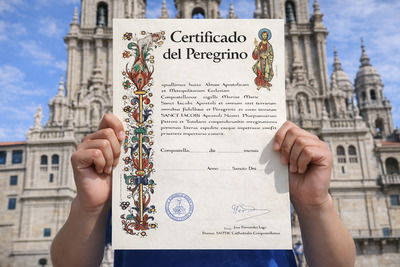
For many pilgrims, receiving the Compostela certificate becomes one of the most emotional moments of the entire Camino de Santiago. After days or weeks on the road, travelers arrive in Santiago de Compostela and head to the Pilgrim’s Office near the cathedral to officially complete their journey.
To receive the Compostela, you must present your pilgrim passport (Credencial del Peregrino) with the stamps collected along the route. These stamps confirm that you have completed at least 100 km on foot or 200 km by bicycle.
The process of receiving the certificate is quite simple, but the atmosphere surrounding it is special. People from different countries stand in line — some smiling, some tired, and others unable to hide their emotions after a long journey. Many meet each other here, recalling stages of the road and sharing stories from their Camino.
When the staff member hands over the Compostela — a beautiful Latin document bearing your name — many pilgrims suddenly feel that the journey has truly come to an end. For some, it symbolizes a spiritual experience; for others, a personal achievement or an important life milestone.
Interestingly, for most travelers this moment becomes not an ending but the beginning of reflection on everything they have experienced. Many stay in the city for a few more days, attend pilgrim masses at the Cathedral of Saint James, or continue their journey further to Cape Finisterre, which in the Middle Ages was believed to be the end of the world.
The Compostela is not just a certificate. It is a memory of the road, the people, and an experience that cannot be repeated twice.
Is the Camino de Santiago worth doing?
The Camino de Santiago is a journey unlike a typical trip. What matters here is not only the destination but the road itself: daily movement, simplicity of life, new encounters, and time for reflection.
Some come to the Camino for spiritual experience, others for nature and physical challenge, and some simply want to step away from their usual rhythm of life for a while. Almost all pilgrims agree on one thing: the journey changes the way you perceive travel and leaves memories you want to return to.
You do not need to walk hundreds of kilometers or set athletic goals. Even a few days on the Camino de Santiago allow you to feel the atmosphere of the road and understand why this route has attracted people from all over the world for more than a thousand years.
Sometimes the most important part of the Camino is not how far you walked, but what you felt along the way.
Useful materials for preparing for a trip to Spain
The Camino de Santiago is not only a journey but also an introduction to the culture, cuisine, and traditions of Spain. These materials will help you better prepare for your trip and experience the atmosphere of the country more deeply:
- Traditional dishes of Spain — what to try during your trip
- Traditional drinks of Spain — from coffee to regional beverages
- Cheap supermarkets in Spain — how to save money while traveling
- Where to buy affordable clothing in Spain before your trip
- Montserrat — a spiritual place and one of Spain’s most impressive pilgrimage destinations

 English
  Español
  Русский