
Living in Spain can be affordable — if you know where to buy groceries. Prices vary between supermarkets, and you can end up overpaying dozens of euros per month for the same products.
In this guide, you will learn which supermarkets are considered the cheapest in Spain, how they differ, and where you can save money on everyday grocery shopping.
How to Choose a Cheap Supermarket in Spain
The cost of your grocery basket depends on:
-
the city and neighbourhood
-
the supermarket chain
-
the availability of hypermarkets
-
private label products (marca blanca)
-
discounts and promotions
-
bulk purchases
💡 It is often more cost-effective to shop at 1–2 more distant but cheaper supermarkets than to buy everything close to home.
Ranking of the Cheapest Supermarkets in Spain
Below are popular chains where prices on groceries are usually the lowest.
Mercadona
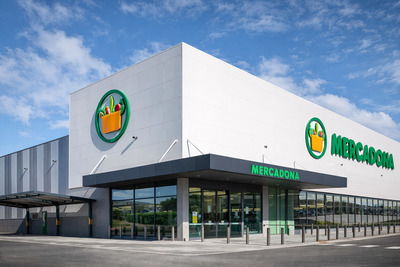
This is a national and the largest supermarket chain, founded by a businessman from Valencia.
Here you can find:
-
a wide selection of fresh fruits and vegetables
-
affordable prices on dairy products
-
strong private label brands such as Hacendado and Deliplus
-
good ready-to-eat takeaway meals
Mercadona is often the best option for everyday shopping at moderate prices without relying on promotions or coupons.
Lidl
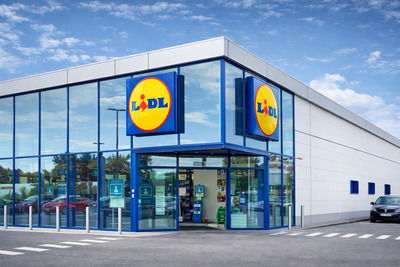
Lidl in Spain is becoming increasingly popular thanks to its prices and product quality.
The first Lidl store opened in Germany in 1973. At that time, it was a small minimarket with only three employees. About 20 years later, the chain began expanding across Europe.
In Spain, Lidl first opened its doors to customers in 1994. Since then, many residents and visitors to the country have preferred buying certain types of products here.
Advantages:
-
cheap fruits and vegetables
-
profitable seasonal offers
-
excellent bakery products
-
weekly discounts
If your goal is to save as much as possible, Lidl is often one of the cheapest supermarkets in Spain.
Aldi
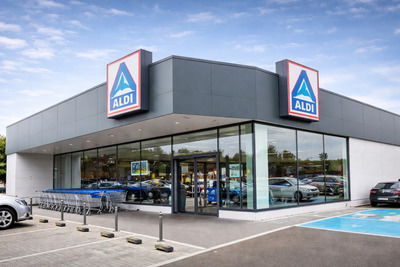
Another German grocery chain offering products at low prices.
Aldi in Spain, like Lidl, is also quite widespread — with more than 430 stores across the country. These two supermarkets are often compared, as they have similar store designs and a retail strategy based on weekly discounts.
Key features of ALDI:
-
a limited assortment
-
many private label brands
-
low prices due to savings on store design
-
discounted products
It is a fairly good store, although according to observations it has not yet reached the same level of popularity as Lidl, possibly because Aldi appeared in Spain later than Lidl — in 2002. However, it is developing rapidly, and this is clearly noticeable.
Dia
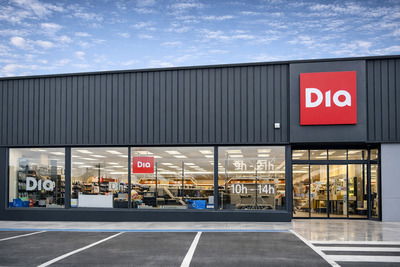
Dia in Spain is a very well-known discount chain with a long and interesting history of ups and downs.
Since 2019, the chain has undergone a major transformation: stores were modernised, and the design, assortment and product quality were improved.
Advantages:
-
weekly promotions and coupons
-
affordable everyday essentials
-
convenient neighbourhood stores in almost every district
Sometimes the assortment is more limited, but everyday shopping here usually costs less.
Carrefour
Carrefour is a French wholesale and retail chain with branches in 30 countries worldwide. It has been operating in Spain since 1973.
A hypermarket. This term means a very large retail space, usually located on the outskirts of the city, where you can find everything you need: stationery, household appliances, clothing, footwear, perfumes and a wide range of groceries at affordable prices.
Here you will find:
-
a wide selection of brands
-
many promotions with loyalty cards
-
cost-effective weekly and monthly shopping
-
affordable private label Carrefour products
-
frequent offers such as three items for the price of two
This is the best option if you buy many products at once.
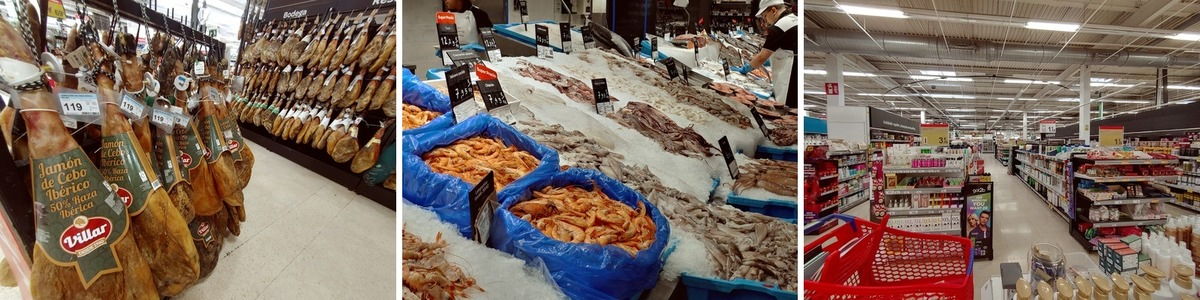
Carrefour Express stores are also very common at petrol stations and within cities. The word "express" speaks for itself — quick shopping. In these stores, you can find essential items, but not a full range of products. However, their opening hours are usually longer, and many are open on Sundays.
Alcampo
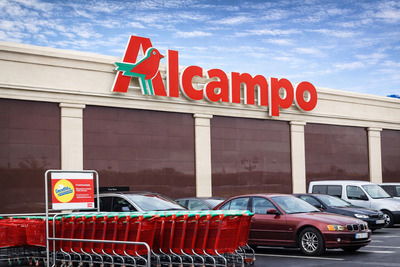
Alcampo can be found as hypermarkets, supermarkets and an online store. It belongs to the French corporation Auchan, which operates in many countries worldwide (known in Russia under the Auchan brand). It has been operating since 1981 and is considered one of the cheapest supermarkets in Spain.
Why it is worth going there:
-
low prices on bulk purchases
-
a wide selection of household and non-food products
-
many packaging formats available
-
frequent "everything for €1" promotions
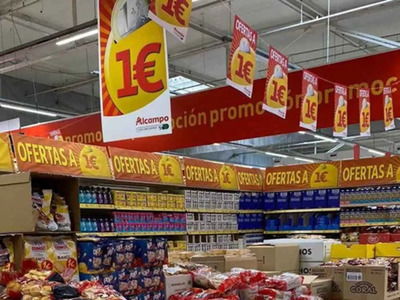
💡 If you have a car, Alcampo is an excellent option for large grocery purchases.
In fact, many items here are cheaper than in other stores.
Tips on How to Save Money on Groceries in Spain
-
buy private label supermarket products
-
choose large packages of grains, pasta and oil
-
plan your weekly menu
-
use discount cards and mobile apps
-
avoid shopping when hungry
-
compare prices between different chains
Frequently asked questions
Where can you find the cheapest food in Spain?
Most often — at Lidl, Aldi, Dia, and Alcampo.
Much depends on the city and current promotions.
Which supermarket is the most popular?
Mercadona is the leader in terms of number of stores and convenience.
Is it possible to save money on fruit and vegetables?
Yes:
-
Lidl and Alcampo
-
seasonal products
Which brands are the cheapest?
The most profitable are private label:
-
Hacendado
-
Carrefour
-
Alcampo
-
Dia
Conclusion
In Spain, it's easy to save money on groceries if you choose the right supermarkets. Try 2–3 different chains and compare your shopping basket — you'll be surprised at the difference in price.
💡 Useful information on saving money in Spain:
- Cheap clothing stores in Spain — where to dress stylishly without spending a fortune
- Affordable furniture stores — where to furnish a house without overpaying
- DIY and home improvement stores in Spain — where to buy building materials and tools at affordable prices
- Cost of transport and groceries in Spain — what the money actually goes on each month
- Winter sales in Spain — when discounts are the biggest

 English
  Español
  Русский