
In 2026, the cost of living in Spain remains one of the most affordable in Europe, despite the gradual rise in prices.
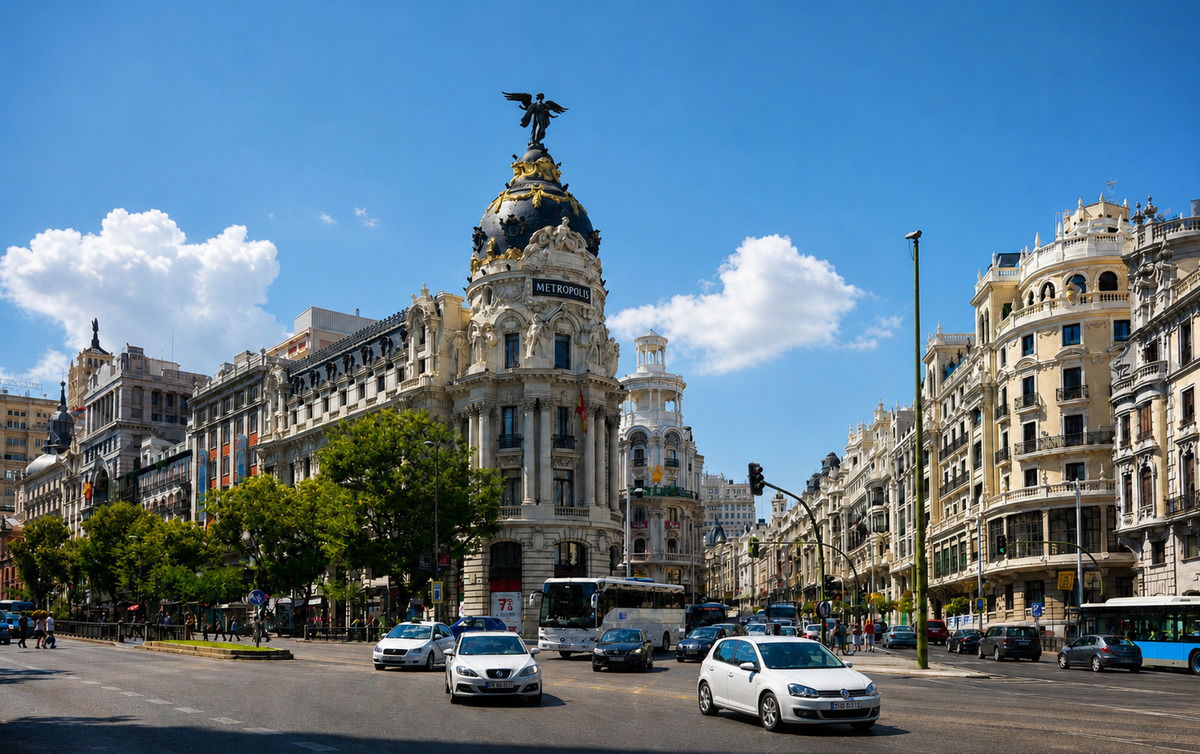
However, at first after moving, it may not seem that way — after all, there are so many expenses, questions, and worries ahead about every little thing.
That is why many people try to approach this new stage gradually. Let’s take an example from the Spanish — they don’t rush and do everything “paso a paso” — step by step or “de poco a poco” — gradually and without haste.
This approach is especially useful when it comes to planning a budget and everyday expenses. It is better to familiarize yourself in advance with the expenses that newcomers will face, as well as understand what costs await you every day.
💡 The main expenses related to housing and associated costs can be found on the page — Property prices in Spain and main expenses.
Now let’s look at another equally important topic — expenses related to transportation and food prices in Spain.
📑 Contents:
Average transport prices in Spain
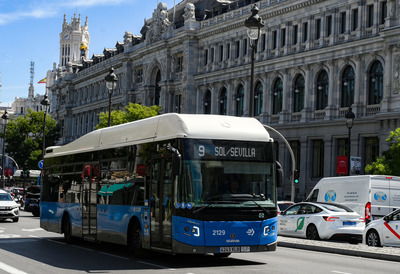
Many people prefer to use public transport. This mainly applies to life in large cities, where the system is convenient, inexpensive, and well-developed.
Public transport in Spain
- Metro. A single metro ride, for example in Barcelona, costs 2.55 €, a ticket for 10 trips costs 12.15 €. In other major cities, metro prices are approximately the same.
- Bus. The average price of a bus ticket in Spain is from 1.5 euros within the city.
You can travel between cities by buses and trains. For example, from Madrid to Alicante, the cost of a bus ticket starts from 29 euros depending on the time of travel (it is cheaper to travel at night).
- Taxi. This mode of transport is also common here. The starting fare is from 2.55 € and from 1.5 € per km. That is, a taxi ride of about 20 km will cost you approximately 25 €.
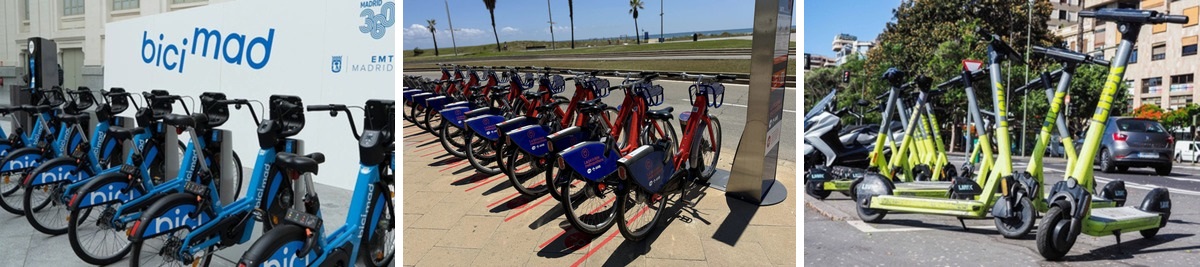
Recently, bicycle rental (MiBici) has also become popular in large cities — the cost is about 40 € per year.
An unlimited number of trips of less than 30 minutes is available, but from the 31st minute, the meter starts running, and 0.50 € is charged for every additional 30 minutes.
Electric scooters are also very often rented to get from one point of the city to another. The cost of a ride starts from 0.13 € per minute.
Personal car

In small towns and settlements in Spain, people tend to prefer their own transport.
Having a driving license, and therefore a car, is much more convenient here, as all necessary places are located far from each other, and it is much more practical to reach them by car.
There are also usually no problems with parking a car in such places.
Usually, after moving, if interested in buying a car, people rent a car for a certain period (prices vary, but generally from 25 euros per day) to search for a suitable option.
The cost of a used car starts from 4000 euros. Although you might get lucky and find something cheaper, the main thing is to check everything carefully, because cheap does not mean good.
Thanks to modern technology, the search should not take much time. And if you have a good budget for buying a new car, you will quickly find a vehicle for getting around.
Other car maintenance expenses
- Car tax. Most drivers in Spain pay from 60 to 145 euros per year.
- Insurance. Depending on the chosen car, insurance will cost you 400–800 € per year.
- Fuel. The cost of petrol is from 1.65–1.85 € per liter, diesel — from 1.50–1.70 €, depending on the region.
Food prices in Spain — supermarket costs in 2026
Spain is famous for its variety of fruits, vegetables, cheeses, cured meats, and much more.
Of course, the cost depends on many factors, but here are the average prices for basic products in Spanish supermarkets for 2026:
| Product | Price | Product | Price |
|---|---|---|---|
| Tomatoes | 2 € per 1 kg | Cucumbers | 2 € per 1 kg |
| Potatoes | 1.5 € per 1 kg | Onions | 1.6 € per 1 kg |
| Cabbage | 1.5 € per 1 kg | Lettuce | 1 € |
| Apples | 1.8 € per 1 kg | Bananas | 1.5 € per 1 kg |
| Oranges | 1.6 € per 1 kg | Bread | 1 € per loaf |
| Sliced bread | 1.5 € | Rice | 1.5 € per 1 kg |
| Sugar | 1.5 € per 1 kg | Milk | 1 € per 1 L |
| Juice | 1 € per 1 L | Water | 0.5 € per 1 L |
| Beer | 1.5 € per 1 L | Wine | 2.5 € |
| Yogurt | 1.2 € | Cheese (Edam, Gouda) | from 8 € per 1 kg |
| Sausage | 1.5 € | Sausages | from 8 € per 1 kg |
| Pork | from 5 € | Beef | from 9 € |
| Chicken | from 4–5 € | Fish | from 5–6 € |
| Product | Price |
|---|---|
| Tomatoes | 2 € per 1 kg |
| Cucumbers | 2 € per 1 kg |
| Potatoes | 1.5 € per 1 kg |
| Onions | 1.6 € per 1 kg |
| Cabbage | 1.5 € per 1 kg |
| Lettuce | 1 € |
| Apples | 1.8 € per 1 kg |
| Bananas | 1.5 € per 1 kg |
| Oranges | 1.6 € per 1 kg |
| Bread | 1 € per loaf |
| Sliced bread | 1.5 € |
| Rice | 1.5 € per 1 kg |
| Sugar | 1.5 € per 1 kg |
| Milk | 1 € per 1 L |
| Juice | 1 € per 1 L |
| Water | 0.5 € per 1 L |
| Beer | 1.5 € per 1 L |
| Wine | 2.5 € |
| Yogurt | 1.2 € |
| Cheese | from 8 € per 1 kg |
| Sausage | 1.5 € |
| Sausages | from 8 € per 1 kg |
| Pork | from 5 € |
| Beef | from 9 € |
| Chicken | from 4–5 € |
| Fish | from 5–6 € |
These prices are approximate; for example, during peak season, tomatoes can be bought for as little as 1 euro per kg.
💡 In large supermarkets, discounts on various products are very common — store promotions or products nearing their expiration date, which often does not reduce the quality of the goods.
📊 Example monthly budget (food + transport)
Below is an example of monthly expenses for food and transport only — these are basic everyday costs excluding rent and utility bills.
One person
- Food: 250–400 €
- Transport: 40–60 €
Total: 290–460 € per month
Couple
- Food: 350–450 €
- Transport: 70–100 €
Total: 470–650 € per month
How much does it cost to go to a restaurant in Spain?

The average bill for a restaurant visit for 4 people is from 80 euros. A bottle of water in such places costs 1.5 euros, a cup of coffee — 1.5–2 euros, a glass of wine — 2.5, a glass of beer — 2.5–3 euros, juice — also 2.5 euros per glass.
The cost of dishes starts from 10 euros. A portion of paella (a typical Spanish dish from rice), for example, can be tasted in some restaurants for 15 euros, in others — for 20 euros or even more.
Grilled meat (carne parrillada) — from 18 euros per serving, usually served with fries as a side dish. Pasta and lasagna — 10–15 euros per portion.
Prices are, of course, approximate, as restaurants vary.
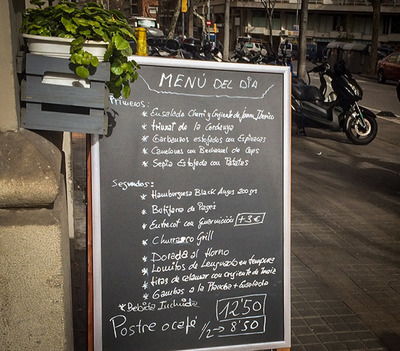
Very often, near restaurants and cafes, you can find small boards displaying menus and prices — this is the menu of the day (menu del dia) — a lunch that includes one drink (whether water, juice, or a glass of beer/wine), a starter, a main course, dessert and/or coffee.
This menu is available only from 12:00 to 16:00.
If you want to have lunch in a restaurant and you see a menu del dia — go in, you will be well fed! And the bill will not be as high as if you ordered dishes from the regular menu.
The only downside is that this menu includes only what the restaurant has prepared for that day, and your choice is limited to two or three dishes, but that makes it even more interesting — you get the chance to try something you might never have thought to order!
And a visit to a Spanish McDonald’s will cost about 12–15 euros per person. In Spain, there are many similar cafes where you can have a tasty and inexpensive meal.
💡 Useful materials on the topic
- Supermarkets in Spain — an overview of popular grocery chains across the country.
- Cheap supermarkets in Spain — where to buy groceries cheaper and save on everyday expenses.
- The cheapest furniture stores in Spain — where to furnish an apartment or house at a low cost.
- DIY stores in Spain — where to buy materials and tools for renovation.
- Cheap clothing stores in Spain — where to buy clothes at good prices.

 English
  Español
  Русский