
The capital of Spain has not always been located in Madrid. Throughout history, Toledo, Valladolid, Seville, Cádiz, Valencia, Barcelona, and even small towns in Catalonia have all taken on the role of the country’s main city.
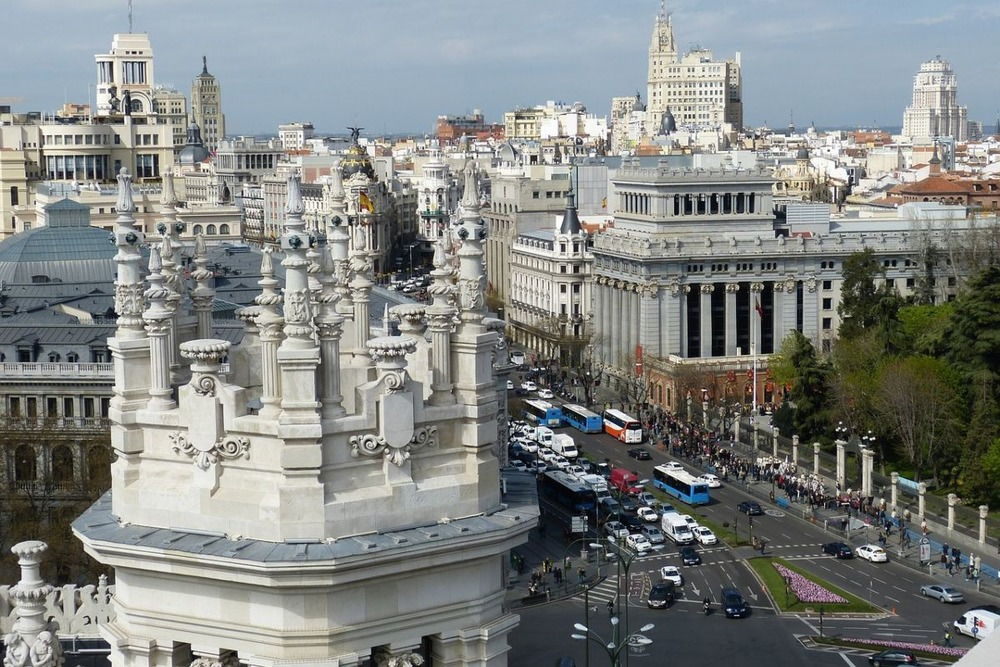
Why did the capital of Spain move? Which cities served as the political centre of the country in different eras? And was Madrid always considered the capital of Spain?
In this article — the complete history of the capitals of Spain with dates, interesting facts, and a brief chronology.
Contents:
Why Spain’s capital changed
Throughout history, Spain changed its capital several times. Today, Madrid seems to be the country’s permanent main city, but this was far from always the case.
In different eras, Spain looked completely different: kingdoms united and collapsed, borders changed, wars took place, and power often moved together with the king, the government, or military events.
Sometimes the capital of Spain was moved for decades, and sometimes for only a few months. Some cities became the political centre because of their convenient location, while others gained this status due to war, the threat of invasion, or decisions made by monarchs.
Each of these relocations left its mark on the country’s history and greatly influenced the development of the cities themselves.
Which cities were capitals of Spain?
Let us look at the last 500 years of history — the period during which Spain gradually formed into a unified kingdom, while different cities in turn became the political centre of the country. So, which cities were the most important in Spain?
Toledo
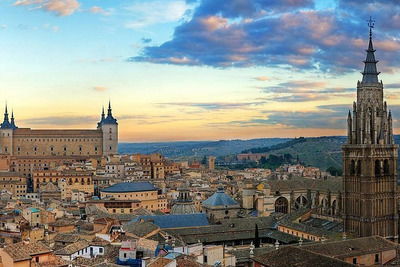
Toledo is considered the first capital of united Spain. For more than 40 years — from 1519 to 1561 — this city remained the country’s main political and religious centre.
Thanks to its status as the capital, this ancient fortified city received a powerful boost in the development of architecture, art, and culture. Today, Toledo is often called a true open-air museum — its historic centre has been beautifully preserved and is included on the UNESCO World Heritage List.
It was from here that Spanish monarchs ruled the kingdom until King Philip II decided to move the capital to Madrid.
One of the main reasons for the move was Toledo’s location: the medieval city had become too cramped for the rapidly growing royal court, officials, and state institutions. There was far less room for expansion here than in Madrid.
Nevertheless, even after losing its capital status, Toledo retained enormous historical importance and is still considered one of the most atmospheric cities in Spain.
Madrid
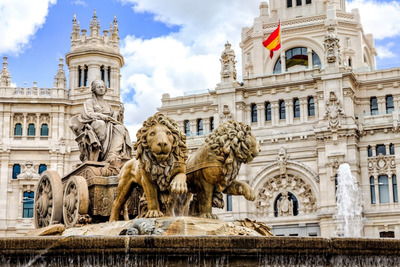
Madrid became the capital of Spain in 1561 by decision of King Philip II. At that time, the city was relatively small and was not considered one of the country’s main centres.
However, thanks to its location almost in the centre of the Iberian Peninsula, Madrid proved to be a convenient place from which to govern the kingdom. After the capital was moved, the city began to grow rapidly and gradually turned into Spain’s main political centre.
Despite this, Madrid did not always retain its status as the capital. At the beginning of the 17th century, the royal court temporarily moved to Valladolid, although a few years later the capital returned to Madrid once again.
Valladolid
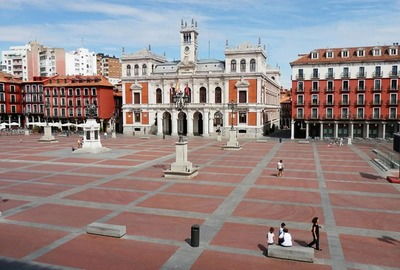
From 1601 to 1606, Valladolid unexpectedly became the capital of Spain. The decision to move the royal court from Madrid is primarily associated with the influence of the Duke of Lerma — the favourite of King Philip III.
Historians believe that the transfer of the capital was largely a political and personal decision. The Duke of Lerma owned a large amount of property in Valladolid and could gain significant benefits from relocating the royal court and officials to the city.
After receiving capital status, Valladolid began to develop rapidly: new palaces, administrative buildings, and noble residences appeared here.
However, in 1606 the capital returned to Madrid once again. The main reasons were, once again, the city’s more convenient location, developed infrastructure, and better opportunities for governing the country.
Despite its short period as the capital, Valladolid still remains one of Spain’s important historic cities.
Seville
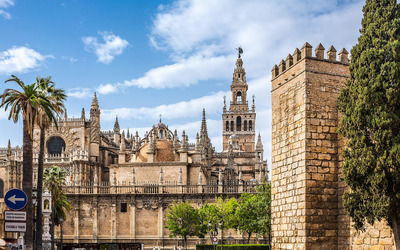
Seville became the capital of Spain twice during different historical periods.
The first time the royal court moved here was in 1729, remaining in the city until 1733. Historians mainly associate this decision with the health of King Philip V, as the warmer climate of southern Spain suited him better than the weather in Madrid.
At that time, Seville was already considered one of the richest and most influential cities in the country thanks to trade with the American colonies, so the temporary transfer of the capital here seemed quite logical.
For the second time, Seville became the political centre of Spain in 1808 during Napoleon’s invasion. After Madrid was occupied by French troops, the Spanish government was forced to urgently look for a safer place from which to govern the country.
However, in 1810 the capital moved once again — this time to Cádiz, which, thanks to its location and strong defences, proved safer for resisting the French army.
Cádiz
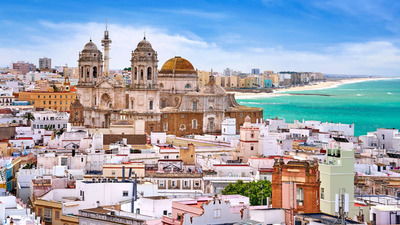
Cádiz — one of the oldest cities in Europe — served as the capital of Spain from 1810 to 1813 during the war against Napoleonic France.
After the advance of French troops and the occupation of a significant part of the country, the Spanish government was forced to move the capital from Seville to the safer city of Cádiz.
The city largely managed to maintain its independence thanks to its advantageous location on a narrow peninsula and the support of the British fleet, which helped defend the coast from the French army.
It was in Cádiz that the famous Constitution of Cádiz was adopted in 1812 — one of the most important political documents in the history of Spain, which had a huge influence on the country’s further development.
After the end of the war and the withdrawal of French troops in 1813, the status of capital returned once again to Madrid.
Valencia
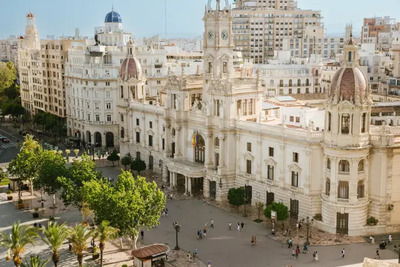
During the Spanish Civil War, the government of the Second Republic was forced to leave Madrid because of the approaching Francoist troops and the constant threats facing the capital.
As a result, from November 1936 to October 1937, Valencia became the capital of Spain.
During this period, the government, state institutions, and diplomatic missions were all based here. Compared with Madrid, the city was relatively safe and had convenient access to the Mediterranean Sea.
Although Valencia remained the capital for less than a year, this period became one of the most unusual chapters in the history of both the city and Spain itself.
Barcelona
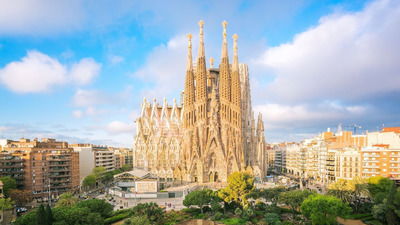
Barcelona is often called the second capital of Spain thanks to its enormous cultural, economic, and political importance.
However, in the country’s history Barcelona really was officially the capital of Spain — from October 1937 to January 1939 during the Civil War.
After the situation in Valencia worsened, the government of the Second Republic moved its institutions to Barcelona, which at that time remained one of the largest and best-protected cities in Republican Spain.
Despite its relatively short period as the capital, Barcelona played an important political role during one of the most difficult periods in the country’s modern history.
Girona
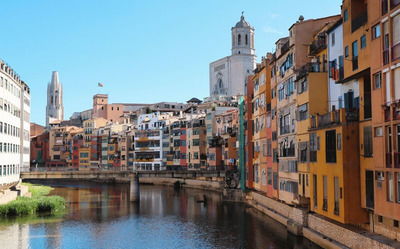
During the final months of the Civil War, Girona also briefly became the capital of Spain. From January to February 1939, the government institutions of Republican Spain were temporarily relocated here.
The reason for yet another move was the rapid advance of Franco’s troops and the worsening situation in Barcelona.
Today, Girona is best known for its beautifully preserved medieval architecture, city walls, and old town. However, this small Catalan city also left its mark on the political history of Spain.
Figueres
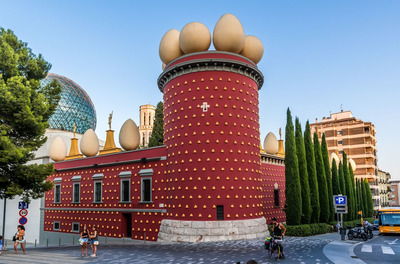
After Girona, the government of Republican Spain was forced to move even further north — to the small Catalan town of Figueres, located near the French border.
From February to April 1939, Figueres effectively served as the temporary capital of Spain during the final months of the Civil War.
It was here that some of the final meetings of the Republican government took place before the definitive end of the conflict and the establishment of Franco’s regime.
Today, Figueres is better known as the birthplace of Salvador Dalí and the home of the famous Theatre-Museum dedicated to the artist. However, in the history of Spain, this small town also retained the status of one of the country’s temporary capitals.
Burgos
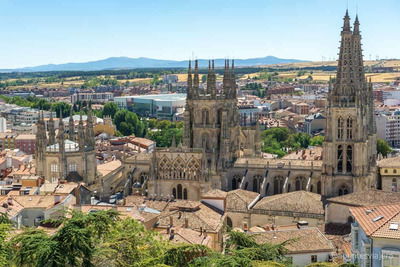
During the Civil War, Burgos became the main political centre of the Nationalists and the de facto seat of Franco’s government.
After the end of the war in 1939, the city retained the status of Spain’s capital for a short period until power finally returned to Madrid.
It was from Burgos that Franco coordinated the actions of his supporters and shaped the future system of government for the country.
Despite its short period as the capital, Burgos played an important role during one of the most decisive stages in modern Spanish history.
Since 1939 and up to the present day, Madrid has once again remained the capital of Spain.
Chronology of Spain’s capitals
| City | Period | Why It Became the Capital |
|---|---|---|
| Toledo | from 1519 to 1561 | Historic centre |
| Madrid | from 1561 to 1601 | Central location and ease of administration |
| Valladolid | from 1601 to 1606 | Political decision of the Duke of Lerma |
| Madrid | from 1606 to 1729 | Central location and ease of administration |
| Seville | from 1729 to 1733 | Relocation of the royal court to southern Spain |
| Madrid | from 1733 to 1808 | Central location and ease of administration |
| Seville | from 1808 to 1810 | Temporary political centre |
| Cádiz | from 1810 to 1813 | War against Napoleon |
| Madrid | from 1813 to 1936 | Central location and ease of administration |
| Valencia | from November 1936 to October 1937 | Civil War |
| Barcelona | from October 1937 to January 1939 | Relocation of the government |
| Girona | from January to February 1939 | Civil War |
| Figueres | from February to April 1939 | Civil War |
| Burgos | from April to October 1939 | De facto capital of the Nationalists and seat of Franco’s government |
| Madrid | from October 1939 to the present day | Capital of Spain |
| City | Period | Why It Became the Capital |
|---|---|---|
| Toledo | from 1519 to 1561 | Historic centre |
| Madrid | from 1561 to 1601 | Central location and ease of administration |
| Valladolid | from 1601 to 1606 | Political decision of the Duke of Lerma |
| Madrid | from 1606 to 1729 | Central location and ease of administration |
| Seville | from 1729 to 1733 | Relocation of the royal court to southern Spain |
| Madrid | from 1733 to 1808 | Central location and ease of administration |
| Seville | from 1808 to 1810 | Temporary political centre |
| Cádiz | from 1810 to 1813 | War against Napoleon |
| Madrid | from 1813 to 1936 | Central location and ease of administration |
| Valencia | from November 1936 to October 1937 | Civil War |
| Barcelona | from October 1937 to January 1939 | Relocation of the government |
| Girona | from January to February 1939 | Civil War |
| Figueres | from February to April 1939 | Civil War |
| Burgos | from April to October 1939 | De facto capital of the Nationalists and seat of Franco’s government |
| Madrid | from October 1939 to the present day | Capital of Spain |
Today, Madrid seems to be the unchanging capital of Spain. However, the country’s history tells a very different story. Over the centuries, the political centre of Spain repeatedly changed together with the royal court, wars, and major historical events.
That is precisely why the history of Spain’s capitals remains so unusual and fascinating — each of these cities preserved part of the country’s past and played its own role in shaping modern Spain.

 English
  Español
  Русский