
Spain is famous not only for its architecture, cuisine and siestas, but also for its love of lotteries. Queues at small lottery kiosks, conversations about draw results, tickets bought together with family, friends or colleagues — all of this is a perfectly familiar part of everyday life here. For many foreigners, such an attitude towards lotteries may come as a surprise.
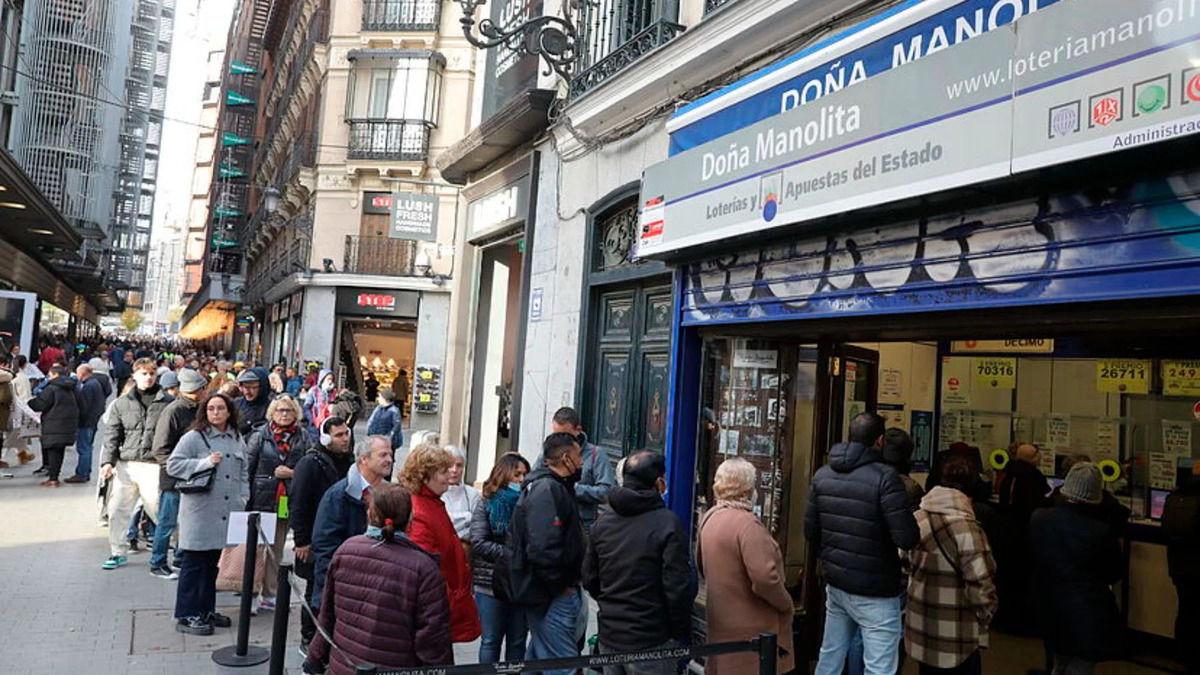
Spanish love of lotteries is particularly evident before major draws, when tickets become part of the general festive atmosphere, and the famous El Gordo becomes the main event of December. But the Christmas lottery is just one of the many games that exist in the country: there are daily and weekly draws, national and international lotteries, each with its own rules, ticket price and prize amounts.
Contents
- How lotteries work in Spain — who can participate, where to buy a ticket, how to play, collect winnings and what taxes apply
- The most popular lotteries in Spain
- ONCE
- Lotería Nacional
- Lotería de Navidad — El Gordo
- Lotería de El Niño
- La Primitiva
- El Gordo de la Primitiva
- Euromillones
- BonoLoto
How lotteries work in Spain
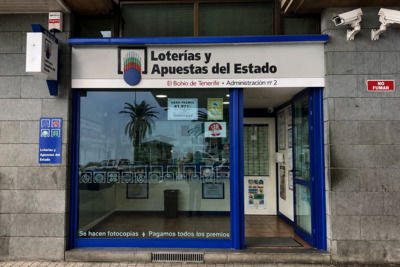
The Spanish lottery system, despite its variety, is not particularly complicated if you break it down into a few simple questions: who can participate, where to buy a ticket, what to do if you win and how large prizes are taxed.
Who can participate in Spanish lotteries
Anyone who is 18 or over can participate in Spanish lotteries. Spanish residency is not required, so a foreign tourist staying in Spain can also buy a ticket and play.
Where to buy a lottery ticket
Lottery tickets are mainly purchased at special lottery kiosks and shops — Administraciones de Loterías. They can be found in practically every town and city in Spain, and this is the name that is most useful to search for on maps. You may also come across sellers with lottery tickets on the streets — this is one of the ways ONCE lotteries are sold.
Many lotteries are also available online through official websites. Depending on the game selected, you can purchase a ticket, décimo or place an individual bet on the desired draw.
How to participate in a lottery
The way you participate depends on the lottery you choose. In some cases, it is enough to buy a ready-made ticket with a number already printed on it, while in others you need to choose one or more numbers or combinations yourself. Once you have made your purchase, all that remains is to wait for the relevant draw and check the result.
How to collect lottery winnings in Spain
The way you collect your winnings depends primarily on their amount and where the ticket was purchased. Different payment procedures apply to smaller and larger prizes.
Small winnings — less than €2,000
In the Spanish lottery system, a prize of less than €2,000 is considered small in terms of how it is paid out. If the ticket was purchased at a regular sales outlet, the money can be collected directly there. If the bet was placed online, the winnings are credited to the player's electronic balance, from where they can be transferred to a bank account.
Large winnings — €2,000 or more
If the prize is €2,000 or more, it is no longer possible to collect it directly from a lottery sales outlet. If you purchased a paper ticket, you must go to one of the banks authorised to pay out winnings. For online purchases, the payment is made through the lottery system to the specified bank account after your identity has been verified.
To collect a large prize, you will need to verify your identity. Foreigners do not need to have Spanish residency for this: if necessary, their identity can be verified using a valid identity document.
Taxes on lottery winnings in Spain
A special tax regime applies to winnings from Spanish lotteries. The first €40,000 of each winning ticket or bet is exempt from tax. If the prize exceeds this amount, tax at a rate of 20% is withheld only on the portion exceeding €40,000.
For example, if you win €60,000, the first €40,000 will remain entirely with the winner, while 20% will be withheld from the remaining €20,000 — that is, €4,000. As a result, €56,000 will be paid out after tax.
Usually, the winner does not need to calculate and pay this tax themselves: when a large prize is paid out, the tax is withheld immediately, so the money is received after the tax has already been deducted.
The Most Popular Lotteries in Spain
There are different types of lotteries in Spain: some are drawn daily or several times a week, while others take place on specific days or only on special occasions. In some cases, all you need to do is buy a ready-made ticket with a number, while in others the participant chooses several numbers themselves. The prize amounts, cost of participation and the mechanics of the draw also vary.
ONCE
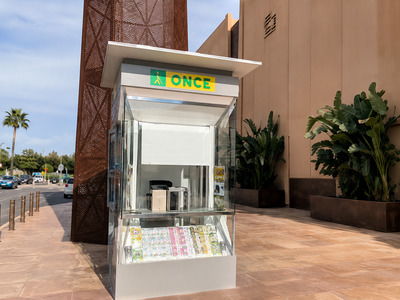
ONCE is one of Spain's most prominent lottery organisations, easily recognisable by its ticket sellers on the streets and at small retail outlets. The organisation was founded in 1938, and the first draw of its coupon took place on 8 May 1939. From the very beginning, the sale of coupons was linked to providing employment and independence for people with visual impairments, and the proceeds from ONCE lotteries are still directed towards the organisation's social objectives today.
ONCE has several different lottery products, but one of the best known is Cupón Diario. It costs €2, is drawn from Monday to Thursday, and the top prize is €500,000. The mechanism is quite simple: you buy a coupon with a five-digit number and a series, and then wait for the draw. The results can be checked on the official ONCE website almost immediately after the draw takes place.
However, Cupón Diario is far from being the only ONCE game. Other draws with their own rules and prizes take place on different days, so the familiar street "ONCE lottery ticket" may not necessarily be a daily coupon.
Lotería Nacional
Lotería Nacional is one of Spain's best-known lotteries, with a long history. Regular draws take place on Thursdays and Saturdays, while special and major additional draws are also held throughout the year to mark particular dates.
Participants buy a décimo — one tenth of a full lottery ticket bearing a specific number. This makes the cost of taking part relatively low and dependent on the particular draw: a décimo for a Thursday draw costs €3, a Saturday draw costs €6, while special and additional draws may cost €12, €15 or €20.
To win, you do not need to come up with a number combination yourself: simply buy a décimo with a number you like and wait for the draw. The prize depends on which number or part of it matches the draw results — there are top prizes, prizes for matching the final digits, prizes for numbers close to the winning number and other categories.
Tickets are sold at lottery outlets throughout Spain, and some décimos can also be purchased online. When buying online, you can choose a specific number or use an automatic selection.
Lotería de Navidad — El Gordo
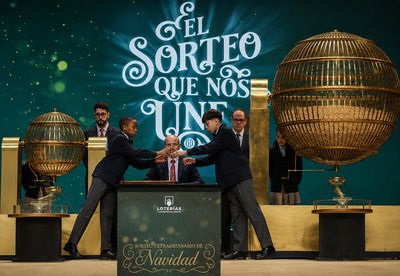
Lotería de Navidad is Spain's best-known lottery draw and one of the country's main December traditions. Every year on 22 December, the whole country turns its attention to the broadcast from Madrid: people follow the numbers, listen to the prize announcements and hope to hear the very number that appears on their décimo.
The Christmas lottery tradition dates back to 1812, and the draw itself has long been part of Spanish festive culture. Here, it is not only the chance to win a large sum that matters, but the tradition itself: families, friends or colleagues may buy the same number for years, and décimos are often given to one another before Christmas.
One décimo for the Christmas draw costs €20. The top prize, known as El Gordo, is €400,000 per décimo. The second prize is €125,000 and the third is €50,000. In addition, there are numerous other prizes, so on 22 December people in Spain are waiting for more than just one lucky number.
This is where the way Spanish Lotería Nacional works is particularly clear: instead of buying the entire large ticket, you buy one tenth of it — a décimo. Therefore, if a number is a winning one, the holder of a décimo receives the corresponding tenth of the prize amount.
Lotería de El Niño
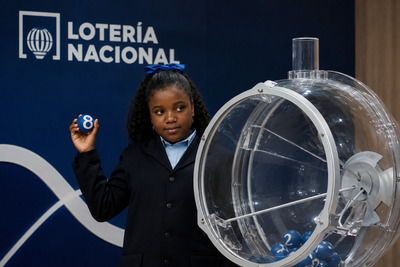
Lotería de El Niño continues Spain's festive lottery tradition after New Year's Day. This special draw takes place on 6 January, the day of Reyes Magos, so for many Spaniards it becomes another part of the last major festive day.
The history of El Niño dates back to the 19th century: the first documented references to this popular draw date from 1868, while it was officially established as a separate draw in 1941. Since 2000, it has been held specifically on 6 January, linking it to the tradition of Three Kings' Day.
One décimo costs €20. The top prize is €200,000 per décimo, the second prize is €75,000 and the third is €25,000. In addition to these major prizes, the draw includes numerous prizes for matching numbers and final digits, so on 6 January people may be looking for a lucky ticket even if they do not hold one of the three top prizes.
In terms of its mechanics, El Niño is similar to the Christmas Lotería de Navidad: you buy a décimo with a specific number, and the size of the prize depends on how closely the number matches the draw results. This is why El Niño is seen not simply as another lottery, but as a kind of conclusion to the Spanish Christmas season.
La Primitiva

La Primitiva is one of Spain's most popular number lotteries. To place a standard bet, you need to choose 6 different numbers from 1 to 49. You can choose them yourself or let the system make the selection for you. One bet costs €1.
Draws take place on Mondays, Thursdays and Saturdays at 21:40. During each draw, six winning numbers, an additional number and reintegro are drawn — a digit from 0 to 9 that is automatically assigned to the bet. You can win with as few as three matching main numbers, while the prize amount depends on the prize category and the number of winners.
La Primitiva also has an additional game called El Joker. It can be added to the main bet for an extra €1; in this case, the participant is assigned a seven-digit code, and the maximum Joker prize is €1 million.
El Gordo de la Primitiva
El Gordo de la Primitiva is another number lottery with large rolling prizes, with draws taking place every Sunday. To place a bet, you need to choose 5 numbers from 1 to 54 and one additional number — número clave — from 0 to 9. One bet costs €1.50.
The top prize goes to anyone who correctly guesses all five main numbers and the additional number — this is the 5 + 1 category. If there are no winners in the first category, the accumulated prize rolls over to the next draw, so the jackpot can gradually increase to several million euros.
However, you do not have to guess the entire combination to win: there are several prize categories, including prizes for matching four or three main numbers, as well as for certain combinations of numbers and the número clave.
Euromillones

Euromillones is an international European lottery in which several countries participate. Draws take place on Tuesdays and Fridays, and one standard bet costs €2.50.
To play, you need to choose 5 numbers from 1 to 50 and 2 stars from 1 to 12. You can choose the numbers and stars yourself or let the system make a random selection. The top prize goes to those who correctly guess all five numbers and two stars, while if there is no winner, the jackpot rolls over to subsequent draws.
Euromillones also has a nice feature for players in Spain: with every bet, El Millón is automatically included at no extra cost — a separate draw with a prize of €1 million. For this draw, the bet is assigned a special code that participates in the Spanish draw.
BonoLoto
BonoLoto is one of the simplest Spanish number lotteries. Draws take place every day from Monday to Sunday, and one simple bet costs just €0.50. To participate in a single draw, you need to choose 6 different numbers from 1 to 49 — either yourself or with the help of the system's random selection.
When buying a ticket for a single draw, you must make at least two simple bets, so the minimum cost of such a ticket is €1. If you wish, you can include up to eight simple bets on one ticket or choose more numbers and create a more complex combination. The top prize goes to those who correctly guess all six main numbers, while if there is no winner, the jackpot rolls over to the next draw.
An interesting feature of BonoLoto is that you can win even without matching all six numbers. In each draw, a Complementario and Reintegro are also drawn: the former is taken into account when determining the second prize category, while the latter is automatically assigned to the bet and can refund the cost of the bet. A prize is available for matching as few as three main numbers.

 English
  Español
  Русский