
Seville is famous for its palaces, cathedrals and squares, but the city's history and culture go far beyond its architecture. Museum collections preserve paintings, archaeological finds, traditional everyday objects and other evidence of how Andalusia has changed over the centuries.
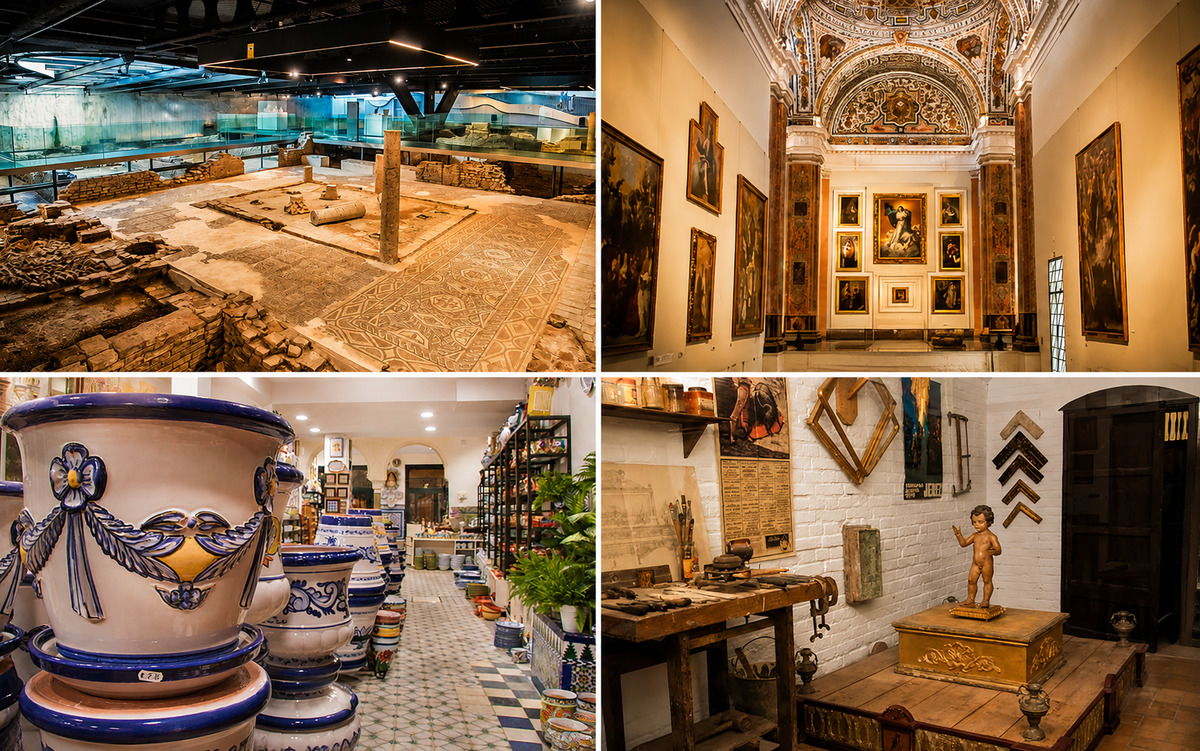
Museums in Seville can be very different: from classical art collections and archaeological exhibits to spaces dedicated to flamenco, folk traditions and contemporary art. Many of them are easy to include in an ordinary walk around the city, while some are particularly interesting to visit because of the building itself and its history.
- Art museums — classical painting and contemporary art.
- History and archaeology — archaeological finds and evidence from different periods of Seville's history.
- Andalusian culture and traditions — flamenco, ceramics, folk art and everyday life in the region.
- Science and unusual museums — scientific exhibitions, a planetarium and interactive formats.
Art museums
You can discover art in Seville primarily in two completely different museums. One is dedicated to classical painting and the Old Masters, while the other presents contemporary art and new artistic movements.
Museum of Fine Arts of Seville (Museo de Bellas Artes de Sevilla)
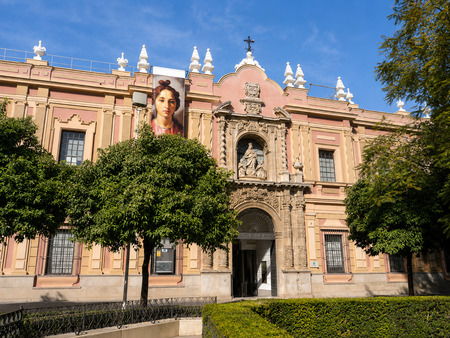
Museum of Fine Arts of Seville is one of the city's main art museums and the most important collection of Sevillian painting. It is housed in the historic building of the former Merced Calzada convent, on Plaza del Museo, in Seville's historic centre.
The museum's collection is particularly well known for works of 17th-century Sevillian painting, including works by masters of the famous Sevillian Baroque school. One of its main features is the combination of works of art with the historic space itself: the former convent church, with its high walls, has become one of the museum's most impressive galleries. Here you can see works by Murillo, Zurbarán and Valdés Leal, as well as works by other Spanish and European artists, including El Greco and Diego Velázquez. The ensemble of works by Murillo created for the Capuchin convent is particularly interesting: the paintings are perceived here not simply as individual works, but as part of a larger historical setting.
This is a fairly large museum, so you should allow at least an hour and a half to see the main galleries. At the same time, admission is very inexpensive — a standard ticket costs just €1.50, while admission is free for verified citizens of the European Union.
Andalusian Centre of Contemporary Art (Centro Andaluz de Arte Contemporáneo)
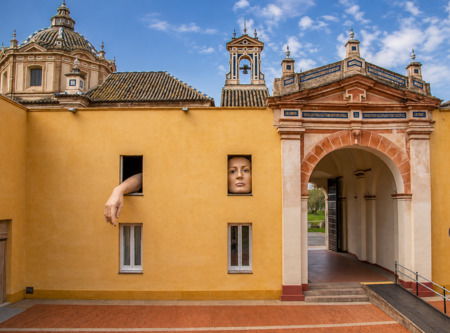
Andalusian Centre of Contemporary Art (CAAC) is a museum and cultural space in Seville dedicated to contemporary art. The centre was established in 1990, and from 1997 its main venue has been the former monastery of Cartuja de Santa María de las Cuevas on the island of La Cartuja, allowing contemporary art to exist here surrounded by centuries of history.
The exhibition galleries feature works by contemporary Andalusian, Spanish and international artists, while the programme changes regularly thanks to temporary exhibitions. Here you can find painting, sculpture, installations and other forms of contemporary art, making CAAC noticeably different from the classical Museum of Fine Arts. It is particularly interesting that the exhibitions are not limited to the museum galleries: the historic spaces of the former Cartuja, inner courtyards and other parts of the complex become part of the experience of visiting.
A visit to CAAC is quite affordable: a full ticket costs €3.01 and includes all areas open to visitors, while a partial ticket costs €1.80 and allows you to choose either the monastery or the temporary exhibitions. From Tuesday evening to Friday and throughout Saturday, admission is free, which is especially convenient for those planning a museum visit without spending much.
History and archaeology
The history of Seville and the region as a whole can be explored in two very different museum spaces. The Archaeological Museum presents a large collection of finds from different periods, while the Antiquarium allows you to literally descend beneath the modern city and see the surviving remains of ancient Seville.
Archaeological Museum of Seville (Museo Arqueológico de Sevilla)
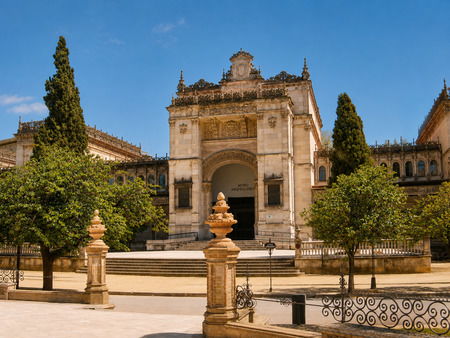
Archaeological Museum of Seville houses one of the most important archaeological collections in Andalusia. It contains finds that tell the story of the region from ancient times through to later periods, with much of the collection consisting of objects discovered during excavations of the ancient Roman city of Italica.
The museum's collection contains more than 60,000 objects, ranging from sculptures and mosaics to pottery, coins and other archaeological finds. The Roman works of art from Italica are particularly interesting, including large sculptures associated with the imperial period. Among them are the famous representations of Trajan and Hadrian, while the collection itself shows how important this area was as a centre during the Roman Empire.
The museum is located on Plaza de América, in María Luisa Park, next to the Museum of Arts and Popular Customs. However, the museum's historic building is currently closed for major renovation, so the permanent collection cannot be visited. The museum's collections are temporarily housed at the Cultural Heritage Logistics Centre in La Rinconada, where specialised events and visits by prior arrangement are held. Before your trip, you should check the current renovation status and whether temporary exhibitions can be accessed.
Antiquarium
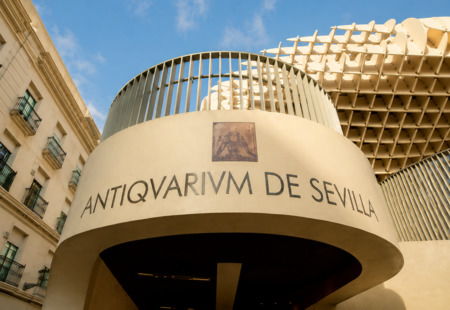
Antiquarium is an underground archaeological museum in the very centre of Seville, located beneath Metropol Parasol, better known as Las Setas. It was created following archaeological excavations carried out during the construction of an underground car park and opened in 2011. Today, it is one of the most unusual places to see the history of the city literally beneath your feet.
Following the pedestrian walkways of the Antiquarium, you can travel through more than 2,000 years of Seville's history. The remains of Roman houses with mosaics and walls have survived here, along with fragments of a Roman saltworks and later traces from the Visigothic and Islamic periods. The mosaics and well-preserved remains of ancient Hispalis are particularly impressive, allowing you to imagine what life in the city looked like many centuries ago.
The most interesting thing about the Antiquarium is the contrast between the past and the present. Ancient walls and mosaics lie several metres below one of Seville's most unusual modern structures, while part of the route runs along walkways with glass surfaces that allow you to view the archaeological remains from above. It creates a rather unusual feeling: above you are modern Seville and the futuristic Setas, while beneath them lies a city of Roman, Visigothic and Muslim periods.
Antiquarium is not a large museum, so you will not need several hours to see it: it is more of a compact archaeological walk that is easy to combine with a visit to Setas de Sevilla and a stroll around the Encarnación area. A standard ticket costs €2.10, while admission is free for residents or natives of Seville, people with disabilities and their accompanying persons, as well as children under 16.
Culture and traditions of Andalusia
Some of Seville's museums help you discover not so much individual historical events as the culture and everyday life of Andalusia. Here you can see traditional crafts, folk art and costumes, learn more about the history of flamenco and discover Triana's famous ceramics.
Museum of Arts and Popular Customs of Seville (Museo de Artes y Costumbres Populares)
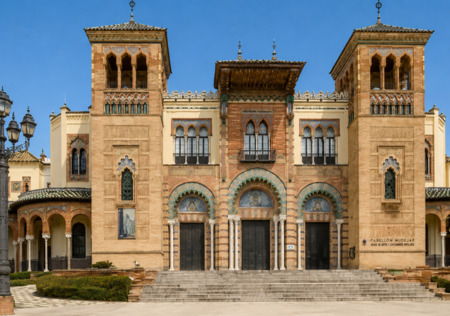
Museum of Arts and Popular Customs of Seville is a museum dedicated to the everyday life, traditions and folk art of Andalusia. It is located in the Mudéjar Pavilion on Plaza de América, in María Luisa Park. The building was designed by architect Aníbal González for the 1929 Ibero-American Exposition, so the museum's architecture itself fits perfectly into the atmosphere of this part of Seville.
Inside, you can discover a completely different side of Andalusia — not palaces and cathedrals, but how people lived and worked. The collection includes traditional ceramics, folk costumes, jewellery, household objects, agricultural tools, musical instruments, as well as one of Europe's most comprehensive collections of Andalusian folk ceramics. Particularly interesting is the huge Díaz-Velázquez collection of embroidery and lace — almost 6,000 objects, which in itself could be a separate museum.
The museum occupies several large exhibition spaces, so this is not a place you should expect to see in just a few minutes. At the same time, it is easy to combine a visit with a stroll through María Luisa Park and a visit to the neighbouring Archaeological Museum once it reopens. A standard ticket costs €1.50, while admission is free for verified European Union citizens.
Flamenco Dance Museum (Museo del Baile Flamenco)
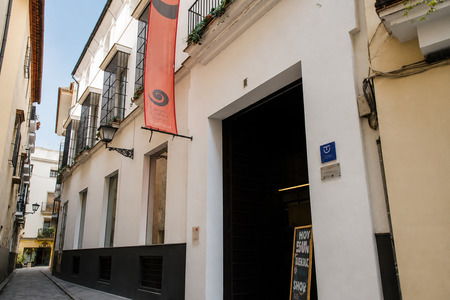
Flamenco Dance Museum is a museum in the very centre of Seville dedicated to the history and culture of flamenco. It is located on Calle Manuel Rojas Marcos, not far from the Cathedral and the Giralda, making it easy to include in a walk through the historic centre. Unlike a conventional museum exhibition, here you can not only learn about flamenco but also see it performed live.
The interactive exhibition explores the three main components of flamenco — dance, singing and guitar. Here you can learn about the development of this art form, stage costumes and other materials connected with its history. At the same time, the museum continues to function as a living flamenco space: performances are regularly held here, so you can combine your visit with a full evening show.
The museum itself is not very large, so you will not need several hours to explore the exhibition. Instead, you can make it part of a fuller cultural evening: visit the museum first and then stay for a show. A standard museum ticket costs €6, while a combined ticket with the Puro Flamenco show costs €33 for an adult; admission to the museum is free for children under 6.
Centro Cerámica Triana — Triana Ceramics Centre
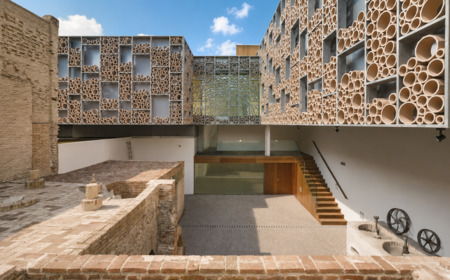
Centro Cerámica Triana is a museum and cultural space dedicated to Triana's famous ceramics tradition. It is located on Calle Callao, in the old part of the district, in the former Santa Ana factory. Part of the original production complex has been preserved here, so you can discover the ceramics tradition not in conventional museum galleries, but right among the old kilns and elements of the former workshop.
On the first level, you can see how ceramics were traditionally produced in Triana: kilns, tools, moulds and other elements of the factory have been preserved, while the exhibition explains the work of local workshops and the development of the craft. The second floor houses a permanent collection of ceramics from different periods — from the 12th to the 20th century — as well as temporary exhibitions. It is particularly interesting that here you can see not only individual pieces, but also understand the role ceramics have played in Seville's architecture and everyday life.
The centre also has another connection with Triana's culture: a separate exhibition, “Triana, corazón del Flamenco”, is dedicated to the history of the Flamenco Biennial and contains original festival posters. The district's ceramics tradition is still alive today — local workshops continue to produce tiles and decorative pieces using traditional techniques. There is also a small shop where you can buy works by local ceramicists.
This is a relatively compact museum that is easy to combine with a stroll through Triana and a visit to Mercado de Triana. A standard ticket costs €2.10, while the reduced ticket costs €1.60; admission is free, among others, for residents of or people born in Seville, children under 16, and visitors with a combined ticket to the Royal Alcázar.
Science and unusual museums
Alongside art and historical collections, Seville also has museums and cultural spaces with more unusual formats — from scientific exhibitions and a planetarium to interactive illusions.
Casa de la Ciencia — House of Science
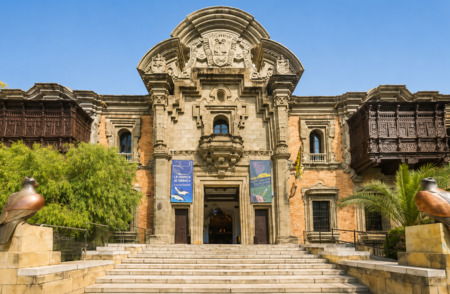
Casa de la Ciencia del CSIC is a science museum in Seville where complex topics relating to science and nature are presented in an accessible and interactive format. It is located in the historic Pabellón de Perú, built for the 1929 Ibero-American Exposition, in María Luisa Park. The building itself, with its unusual architecture, makes the visit more interesting than that of an ordinary science centre.
The museum hosts permanent and temporary exhibitions devoted to nature, the environment, geology, biodiversity and other scientific subjects. A separate part of the space is devoted to the planetarium, where programmes about space and astronomy are held. There is also a garden covering around 1,350 m², so Casa de la Ciencia feels more like a small scientific space for discovery and experimentation than a traditional museum with long rows of display cases. The centre has more than 800 m² of exhibition space, so you should allow at least an hour for a visit, especially if you also want to attend a planetarium session.
Casa de la Ciencia is particularly well suited to families and to anyone who wants to take a break between historical sights and see another side of Seville. Standard admission starts at a few euros, while individual programmes and planetarium sessions may cost extra. It is best to check the current programme before your visit, as the themes of temporary exhibitions and scientific events change regularly.
Museo de las Ilusiones — Museum of Illusions
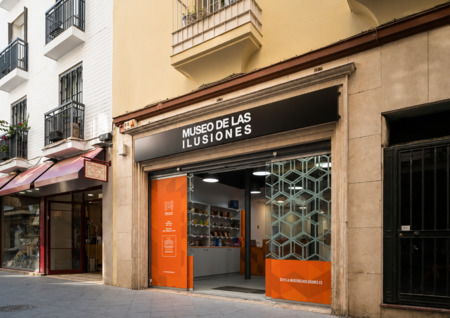
Museo de las Ilusiones is an interactive space in the centre of Seville where the laws of perception become a game. Unlike conventional museums, you do not simply look at the exhibits here: visitors become part of the illusions themselves, test their own perception and can create unusual photographs.
Inside, there are more than 50 optical illusions and interactive installations. You can try walking through spaces where your sense of balance and perspective changes, see infinite reflections, enter an upside-down room and discover how easily your eyes can deceive your brain. This makes the museum particularly suitable for families and groups of friends — it is more of a fun experiment than a traditional museum visit.
The museum is located on Calle San Eloy, in the centre of Seville, and is a relatively compact attraction: you will usually need about an hour for a visit. It is a convenient option for a short stop during a walk around the centre, while the available admission options and combination offers can be found below.
What else to see in Seville
Museums are easy to combine with a walk around the historic centre and other experiences in Seville. After exploring the city's art, history and traditions, you can head to its main sights, go to a flamenco show or visit a local market.
- What to see in Seville — the city's main sights, historic districts, squares and places worth including in your itinerary.
- Seville Cathedral — one of the city's main symbols, the famous Giralda and the cathedral's historic interiors.
- Royal Alcázar of Seville — a palace complex with Moorish architecture, lavish interiors and gardens.
- Archive of the Indies in Seville — a historic building and a unique collection of documents connected with the Age of Discovery.
- Flamenco in Seville — where to see traditional tablaos, intimate performances and other types of flamenco shows.
- Festivals and holidays in Seville — Semana Santa, Feria de Abril and other annual events that showcase the city’s traditions and atmosphere at their most vibrant.
- Street markets in Seville — atmospheric markets, local produce and an opportunity to see everyday life in the city.
- Where to eat in Seville and what to try — traditional dishes, tapas, local sweets and drinks, as well as the city's gastronomic districts.
- Amusement parks and family activities in Seville — Isla Mágica, Seville Aquarium and other ideas for family activities and entertainment in the city.

 English
  Español
  Русский