
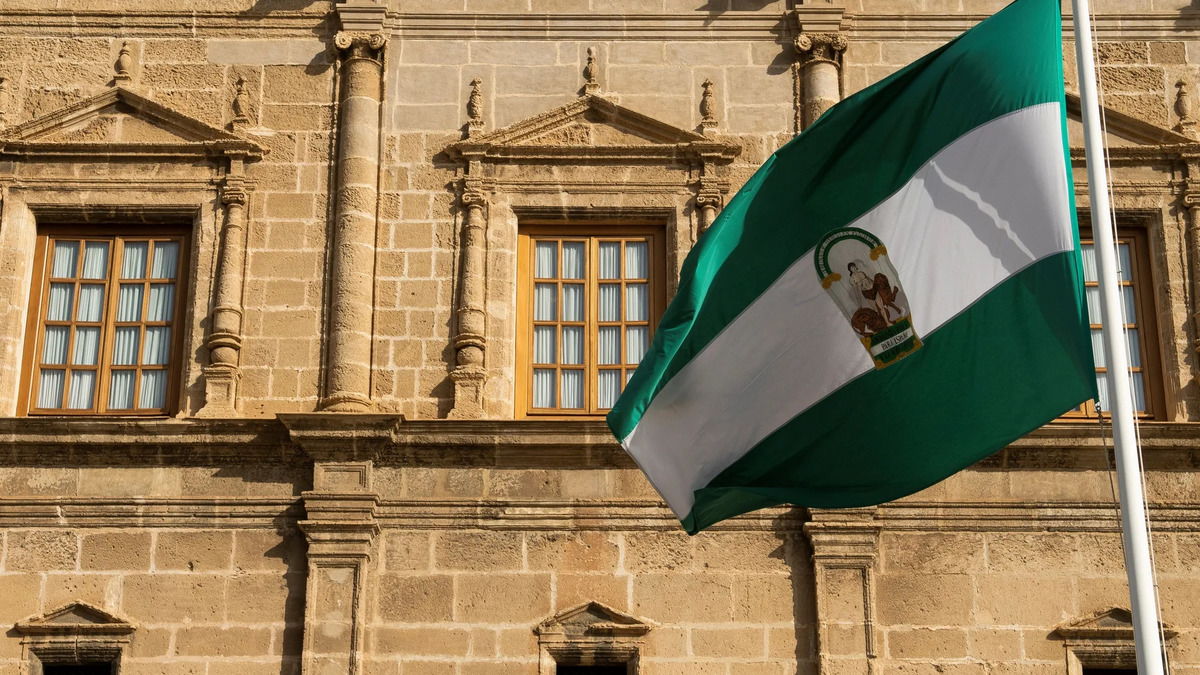
Every year on February 28, southern Spain celebrates Andalusia Day (Día de Andalucía) — an important regional holiday dedicated to the history, culture, and identity of one of the country’s most vibrant regions. On this day, cities and villages are filled with a festive atmosphere, concerts, traditional music, and gastronomic events.
What Andalusia Day is and why it is celebrated
The date is linked to the referendum held on February 28, 1980, when Andalusia gained the status of an autonomous community within Spain. Since then, the holiday has become a symbol of regional identity and pride, bringing residents together through culture, traditions, and public events.
How Andalusia Day is celebrated
Festive events take place throughout Andalusia — from large cities to small white villages. Many activities are open to everyone, so tourists can easily become part of the celebration.
- Official ceremonies and the raising of the Andalusian flag.
- Flamenco concerts and street musicians’ performances.
- Cultural events and open days at museums.
- Celebrations in schools and public spaces.
- Gastronomic fairs and street festivals.
Where the most vibrant events take place
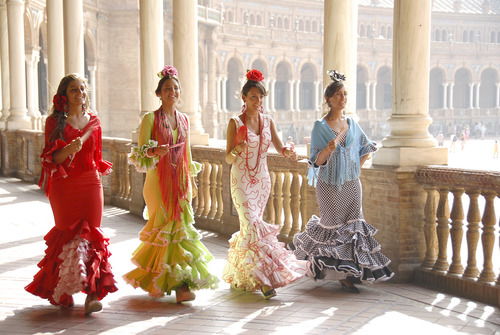
Seville
The capital of Andalusia celebrates Andalusia Day especially vividly — the city hosts official ceremonies, concerts, cultural events, and flamenco performances. The festive atmosphere can be felt in the squares, historic neighborhoods, and near the main landmarks.
On February 28, Seville traditionally holds ceremonial events near the Andalusian Parliament building (Hospital de las Cinco Llagas), where the regional flag is raised and the Andalusian anthem is performed. Open-air concerts, family activities, and themed tours dedicated to the history of the region are organized in the city center.
Plaza de España and María Luisa Park become particularly lively — musicians’ performances, dance shows, and festive walks often take place here. In the Triana district, you can see live flamenco performances and experience the authentic atmosphere of Andalusian culture.
If you are planning a trip, see our detailed guide: what to see in Seville — route and main attractions .
- Plaza de España and María Luisa Park — concerts and festive walks
- Seville Cathedral — cultural events and guided tours
- Triana district — traditional flamenco tablaos and live music
Málaga
In Málaga, Andalusia Day is celebrated with a particularly vibrant atmosphere — the city center fills with concerts, family events, and gastronomic fairs. Festive activities often take place in central squares and along the waterfront, where musicians’ performances, dance shows, and cultural activities for residents and visitors are organized.
The streets of the historic center and the area around Calle Larios traditionally become lively, hosting open-air concerts and themed events dedicated to Andalusian culture. Many museums and cultural spaces offer special programs, while restaurants add traditional regional dishes to their menus.
- Málaga historic center — concerts and festive walks
- Calle Larios — cultural events and street performances
- Muelle Uno waterfront and port — family activities and gastronomic events
Granada
In Granada, Andalusia Day takes place in a more traditional and cultural atmosphere. The city organizes concerts, exhibitions, and educational events dedicated to the history of the region and Andalusian identity. Festive activities often occur in the historic center and near the main landmarks.
On this day, you can often find free guided tours, special museum programs, and flamenco performances. In the Albaicín district and around the city center, a particularly cozy atmosphere emerges — residents gather in the streets, listen to music, and enjoy local cuisine.
- Granada historic center — cultural programs and concerts
- Albaicín — atmospheric walks and musical performances
- City museums — special events and themed exhibitions
Traditional dishes and festive gastronomy
Food plays an important role in the celebration. One tradition is the Andalusian breakfast, which is often organized in schools and families:
- bread with extra virgin olive oil;
- fresh tomato;
- jamón;
- freshly squeezed orange juice.
Traditional dishes such as gaspacho, salmorejo, fried fish (pescaíto frito), and the classic Spanish tortilla are also popular.
Why you should visit Andalusia on this day
For travelers, Andalusia Day is an opportunity to see the region in an especially authentic atmosphere:
- festive streets and live music;
- free cultural events;
- traditions and local customs;
- gastronomy and open-air activities.
Useful tips for tourists
- Check the local event program — it varies between cities.
- Plan transport in advance — schedule changes are possible.
- Popular restaurants are best booked in advance.
Andalusia Day is not just a regional holiday but a true cultural atmosphere of southern Spain. For travelers, it is an excellent chance to discover the traditions, music, and cuisine of the region in a lively and authentic format.

 English
  Español
  Русский