
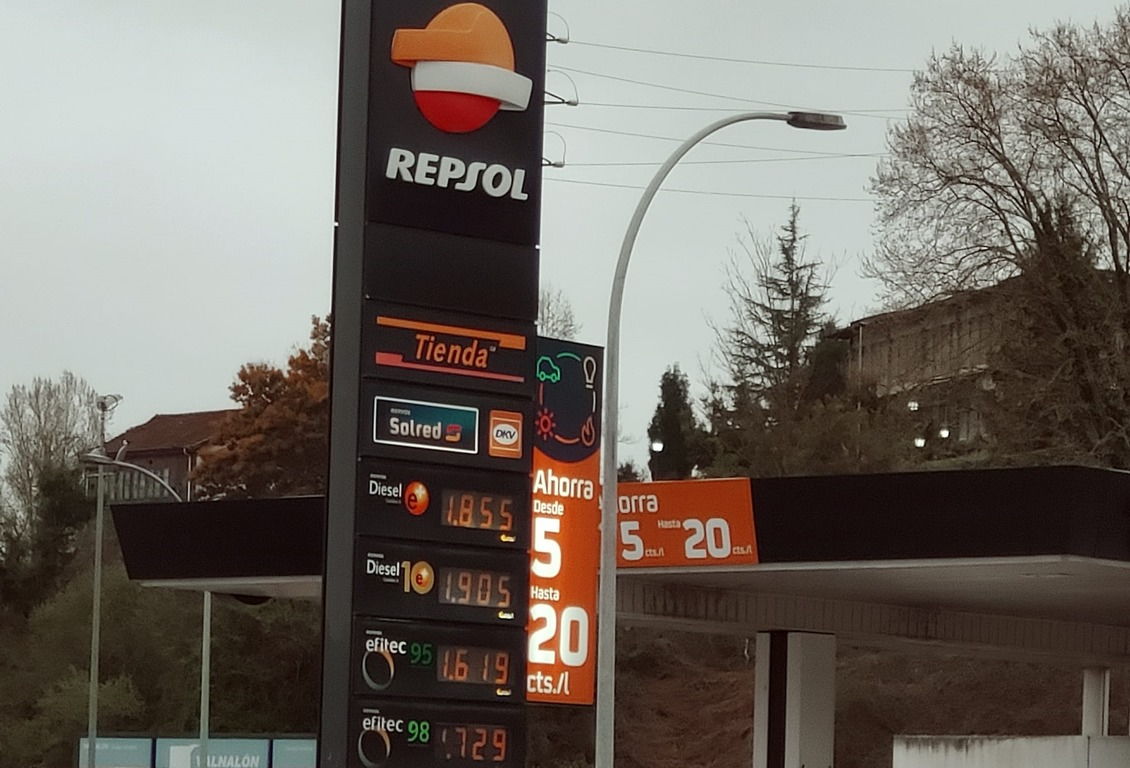
At the beginning of March 2026, we, residents of Spain, began to notice that our usual expenses were gradually increasing. In fact, Spain has become more expensive due to the war in the Middle East — at first the rise in fuel prices seemed temporary, but it soon became clear that international events had also affected Europe: prices for fuel, transport and essential goods increased.
Although Spain is not directly involved in this distant conflict, its consequences are still felt in our daily lives — through prices, transport and grocery expenses that we face every day.
When the price increase began
The first noticeable changes occurred at the beginning of March, when tensions in the Middle East caused problems with oil supplies through key maritime routes.
Global oil prices began to rise almost immediately, followed by an increase in the cost of petrol and diesel in European countries, including Spain.
Many residents initially did not believe that events thousands of kilometers away could affect their daily lives. However, after just a few weeks it became clear — even indirectly, the war affects prices in shops and household expenses.
It is already becoming clear: not only petrol is becoming more expensive. Rising fuel prices also affect other expenses — from the delivery of goods to the cost of services. This may concern not only prices, but also delivery times: as transport costs rise, the delivery of goods sometimes takes longer. Even ordinary online orders may arrive slightly later than before.
How this affects tourism
The increase in fuel costs has affected not only the expenses of local residents and drivers — it is also beginning to influence the tourism sector. A rise in travel costs is already noticeable, and concerns are increasingly being voiced that if the situation continues, tourist numbers may decrease.
Bus transportation, excursions and car rentals are gradually becoming more expensive, as companies are forced to take increased fuel costs into account.
In addition, a gradual increase in airline ticket prices is already being observed. Airlines directly depend on the price of aviation fuel, so with prolonged price growth, fare adjustments are possible, especially during the high tourist season.
Nevertheless, there are currently no mass cancellations of flights or serious restrictions observed, and the tourism infrastructure continues to operate as usual.
What the Spanish government has done
To mitigate the consequences of rising prices, the Spanish government under Prime Minister Pedro Sánchez announced anti-crisis measures.
Among the main steps:
- reduction of the tax burden on fuel and electricity
- support for transport companies
- additional measures to support the economy and businesses
- programs to support the population amid rising expenses
The goal of these measures is to prevent a sharp increase in the cost of living and reduce pressure on household budgets.
Should you be worried
Rising prices always cause concern — especially when changes happen unexpectedly. Today, many of us are trying to plan expenses more carefully: we more often compare fuel prices, plan trips in advance and look for ways to save on transport.
However, specialists still note that the country's economy remains stable, and authorities are actively responding to changes. Tourism, transport and everyday life continue to function without serious restrictions.
The most important thing is to remain calm and follow updates. In most cases, such economic fluctuations are temporary and gradually stabilize.
As prices and everyday expenses change, many residents are beginning to reassess their daily routines and the overall conditions of living in the country.
Read also: Pros and Cons of Living in Spain in 2026

 English
  Español
  Русский