
To many people, Spain seems like a dream country: the sea, sunshine, a relaxed pace of life, delicious food and the feeling of an endless holiday. That is why thousands of people every year consider moving here — either temporarily or permanently.
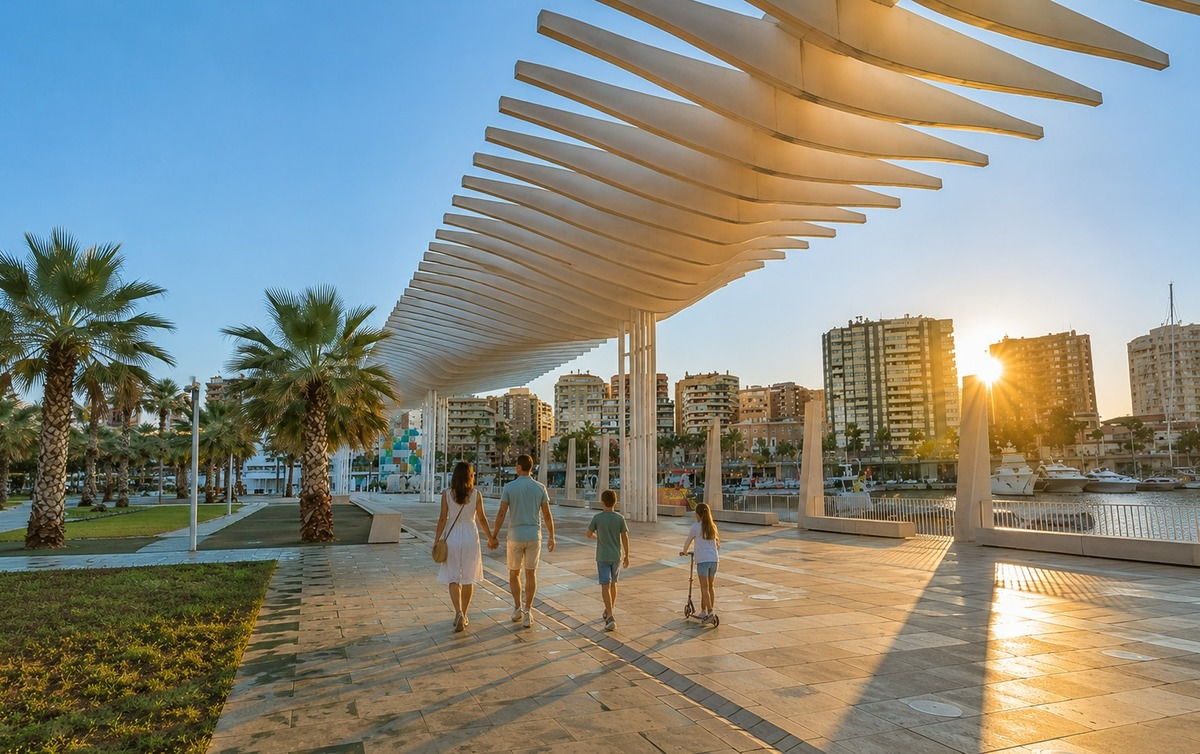
But real life in Spain is much deeper than tourist impressions. Behind the beautiful photographs lie bureaucracy, the language, the realities of the labour market, the local mentality and everyday nuances that you need to be prepared for in advance.
At the same time, for some people Spain becomes a place they want to return to again and again, while for others it is a country where it is difficult to get used to the local pace of life and the system.
In this article, we will look at the main pros and cons of living in Spain in 2026, so that you can better understand whether this country is suitable for relocation, work or a long life by the sea.
Contents:
- Main advantages of living in Spain
- Climate and the sea
- Food and groceries
- Healthcare and medicine
- Safety and quality of life
- Lifestyle and atmosphere in Spain
- Main disadvantages of living in Spain
- Language — one of the main barriers
- Bureaucracy and paperwork
- Work
- Housing, rent and everyday life
- Life in tourist areas
Advantages of living in Spain
Many people choose Spain not only for the sea or the good weather. The main advantage of living here is the very feeling of everyday life itself: more sunshine, more time outdoors and less constant rushing.
Climate and the sea

Spain is famous for its mild climate and large number of sunny days throughout the year. For many people, the weather becomes one of the main reasons for moving here.
In most regions of the country:
-
winters remain short and fairly warm;
-
sunny weather lasts for most of the year;
-
the summer heat by the sea feels easier thanks to the sea air.
After long cold winters, you get used to this climate very quickly. Even on an ordinary weekday, you can comfortably go for an evening walk, sit on a café terrace or head to the sea without feeling that good weather is a rare exception.
At the same time, Spain is not only about beaches and resorts. In many regions, the sea is easily combined with mountains, natural parks, wineries and small historic towns.
It is precisely this variety that many people enjoy most: within just a couple of hours, you can swap the coastline for mountain scenery or spend a weekend in a completely different atmosphere.
Food and groceries
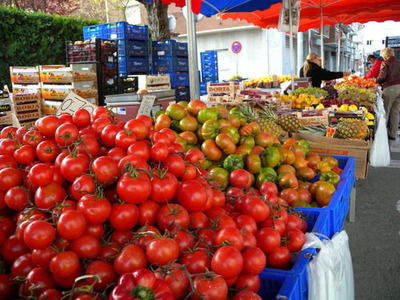
People in Spain have a very different attitude towards food compared to many other European countries. Here, food is not simply part of everyday life, but an important part of socialising and daily culture.
In many regions, it is easy to buy all year round:
-
fresh vegetables and fruit;
-
good-quality fish and seafood;
-
local cheeses, jamón and olive oil;
-
basic groceries at fairly affordable prices.
Even ordinary supermarkets in Spain often pleasantly surprise people with the quality of their products, while in many towns and cities residents still prefer buying vegetables, meat or fish from local markets and small family-run shops.
Many people notice that after moving here, their eating habits gradually change on their own: they start cooking fresh food at home more often and eating more fish, vegetables and seasonal products.
At the same time, food here rarely turns into “a quick snack between tasks”. Spaniards enjoy relaxed dinners, meeting friends in bars and spending far more time around the table than in many other countries.
Over time, it is precisely these simple things — fresh products, long dinners and the whole culture surrounding food — that become one of the most enjoyable parts of life in Spain.
Healthcare and medicine

Spanish healthcare is considered one of the country’s strong points, especially when comparing quality of life and the cost of medical services.
Spain has both a public and a private healthcare system. In many cities, modern clinics, good equipment and a fairly high level of medical specialists are available.
-
the public healthcare system is well developed;
-
modern equipment is used in many clinics;
-
private health insurance is noticeably cheaper than in many other countries;
-
large cities usually offer a wide choice of doctors and medical centres.
If you have residency, you can use the public healthcare system, while many expats also take out private insurance for quicker access to specialists.
Of course, the system cannot be called perfect. In public clinics, appointments with specialist doctors can sometimes involve long waiting times, and the level of service may vary depending on the region.
Nevertheless, for many people it is precisely the combination of climate, a calmer lifestyle and accessible healthcare that becomes one of the major advantages of living in Spain.
Safety and quality of life
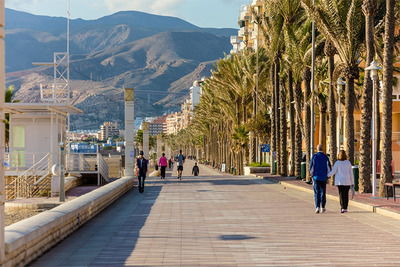
For many people, life in Spain feels calmer and more comfortable than in most major cities across other European countries.
Even in large cities, many neighbourhoods remain quite comfortable for everyday life — with parks, pedestrian streets, cafés and a relaxed atmosphere outside the tourist areas.
Of course, pickpocketing and petty scams do occur in tourist areas — especially in Barcelona, Madrid and popular seaside resorts. But overall, Spain is considered a fairly safe country for everyday life.
-
the level of violent crime remains relatively low;
-
many neighbourhoods are comfortable places for families with children to live;
-
even late in the evening, the streets often remain lively;
-
in smaller towns and along the coast, the pace of life is usually even calmer.
In many ways, the feeling of safety comes from the atmosphere of Spanish cities themselves. People here genuinely spend a lot of time outdoors — especially in the evenings, when after the heat the streets fill with life once again.
It is precisely this calm everyday rhythm that many people begin to appreciate far more than the endless rush of big cities.
Lifestyle and atmosphere in Spain

One of the things many people get used to especially quickly in Spain is the atmosphere of everyday life itself.
Even in large cities, there is usually less feeling of constant rushing. People spend more time outdoors, meet friends on café terraces, go for evening walks and do not hurry straight home after work.
In many neighbourhoods, life truly comes alive in the evening: bars and small cafés are open, families walk with their children, neighbours chat outside their homes, and squares and promenades remain full of people until late at night.
Spaniards are generally quite open in communication. Here, it is perfectly normal to greet a stranger, smile at a shop assistant or calmly ask a passer-by for directions.
Of course, everything depends on the city, the region and the people themselves, but it is precisely this feeling of a more lively and open everyday life that many people particularly enjoy about Spain.
💡 For many people who move here, the main advantage of Spain eventually turns out to be not only the climate or the sea, but the atmosphere of life itself — calmer, sunnier and more relaxed.
Disadvantages of living in Spain
Despite all the advantages, life in Spain is not suitable for everyone. After moving here, many people face things they rarely think about during holidays or short trips around the country.
Some difficulties are connected with paperwork and work, while others relate to the local pace of life and everyday habits that really do require time to get used to.
Language — one of the main barriers

One of the most underestimated disadvantages of living in Spain is the need to learn Spanish. During a holiday, it may seem that English is perfectly enough, especially in tourist cities and along the coast. But for everyday life, this is often not the case.
Without knowledge of Spanish, it becomes more difficult to:
-
handle paperwork and deal with government offices;
-
communicate in public clinics;
-
look for work outside the tourism sector;
-
fully integrate into local life and social circles.
In many smaller towns and non-tourist areas, not everyone speaks English, so even simple everyday situations can sometimes become stressful.
At the same time, many people who have moved here note that language influences the feeling of truly belonging in the country more than anything else. The better your Spanish becomes, the easier life in Spain itself begins to feel.
Bureaucracy and paperwork

Sooner or later, almost everyone who moves to Spain for the long term has to deal with Spanish bureaucracy. And this often becomes one of the most exhausting aspects of the first months of life in the country.
Handling paperwork in Spain often requires patience and time. Many people face:
-
queues and difficulties getting appointments;
-
long waits for replies and documents;
-
different requirements depending on the region;
-
a lack of clear information in English.
Obtaining residency, an NIE, empadronamiento registration, medical documents or resolving tax matters often turns into a separate challenge — especially for those who have only recently moved and still do not know the language well.
At the same time, much depends on the specific region, city and even the employee you deal with. The same issue can be explained in completely different ways in different places.
Over time, almost everyone gets used to the Spanish system, but at the beginning of relocation bureaucracy often turns out to be one of the most stressful parts of life in Spain.
Work

For many foreigners, the job market becomes one of the most difficult aspects of life in Spain. Despite the high quality of life and comfortable atmosphere, work opportunities here are far from straightforward.
Among the main difficulties most often mentioned are:
-
salaries lower than in many Northern European countries;
-
high competition in the labour market;
-
the need for a good knowledge of Spanish;
-
difficulties finding stable work as a foreigner.
In many sectors, employers tend to prefer local residents first — especially when it comes to permanent jobs and a large number of applicants. This is connected not only with the language, but also with the particularities of Spanish society, where personal connections and “knowing the right people” still play quite an important role.
Without language skills and local experience, finding work can take much longer than many people expect before moving.
That is why a significant number of foreigners move to Spain already having remote work, their own business, a pension or a stable passive income.
For those who work online or receive income from another country, life in Spain usually turns out to be much more comfortable and financially stable.
Housing, rent and everyday realities

Housing is another issue that often comes as a surprise after moving to Spain. This is especially true in popular cities and coastal areas, where demand for renting and buying property remains very high.
In many regions, people face the fact that:
-
property prices in Spain continue to rise;
-
rental prices have increased noticeably in recent years;
-
good properties are taken very quickly;
-
landlords often require proof of income, an employment contract or financial guarantees.
Finding accommodation often takes far longer than newcomers expect. This is especially difficult in Barcelona, Madrid, Valencia and popular resort areas, where demand consistently exceeds supply.
At the same time, Spanish homes themselves also have certain characteristics that many people are not prepared for.
Along the coast, flats can often feel quite cold in winter because of weak heating systems or their complete absence. Many buildings were designed for a hot climate, so during winter indoor temperatures sometimes feel much less comfortable than newcomers expect.
In older buildings and seaside apartments, people also frequently face high humidity, condensation and mould — especially during the winter months.
It is precisely these everyday housing-related details that become one of the most unexpected disadvantages of living in Spain for many people, as they are rarely considered during holidays.
Life in tourist areas
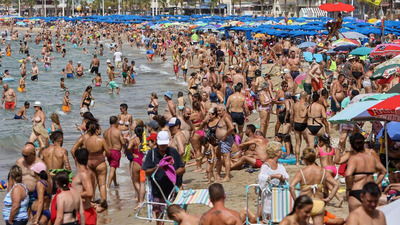
Many people dream of living by the sea, but Spain’s popular tourist regions also have a downside — especially during the high season.
In summer, resort towns and coastal areas often experience:
-
overcrowded beaches and promenades;
-
traffic jams and parking difficulties;
-
noise late into the night;
-
overloaded cafés, shops and infrastructure.
In some areas, life in summer starts to resemble a permanent tourist season more than calm everyday living.
This is especially noticeable in popular Mediterranean resort towns and on the islands, where the number of tourists during the season can increase several times over.
That is why many people who move to Spain eventually prefer living not in the centre of tourist activity itself, but in quieter areas near large cities or slightly further away from the coast.
Life in Spain rarely turns out to be perfect, but for many people the combination of climate, atmosphere, people and a calmer pace of life eventually outweighs the everyday difficulties and disadvantages of relocation.
That is why, for some, Spain remains simply a country for holidays, while for others it gradually becomes a place where they truly want to move and live.
What else is useful to know before moving to Spain
If you are planning a move, want to better understand everyday life in the country or sort out documents and expenses, these materials may also be useful for you:
- Cost of living in Spain — expenses for food, transport and everyday life
- Property prices in Spain — housing prices and the main costs involved in buying property
- NIE in Spain — why foreigners need an identification number and how to get one
- Empadronamiento in Spain — address registration and why it is necessary
- Digital nomad visa in Spain — requirements and lifestyle features for remote workers
- Education system in Spain — schools, studies and how the Spanish education system works
- Driving licence in Spain — obtaining and exchanging a driving licence
- Parking rules in Spain — what drivers should know in Spanish cities
- Fines in Spain — common violations and useful advice for tourists and new residents

 English
  Español
  Русский