
Spain is one of the most popular countries in Europe, known for its warm climate, seaside resorts, rich history and vibrant culture. Millions of tourists come here for the beaches of the Mediterranean Sea, the architecture of Barcelona and Madrid, Spanish cuisine, flamenco and famous festivals.

But Spain is not only about seaside holidays. The country is famous for its historic cities, diverse nature, gastronomy, festivals and a unique atmosphere that makes it one of the most recognisable countries in the world.
Let’s take a look at what exactly Spain is famous for, which symbols and traditions are associated with this country, and why it attracts millions of travellers from all over the world every year.
Contents:
Beaches and resorts in Spain
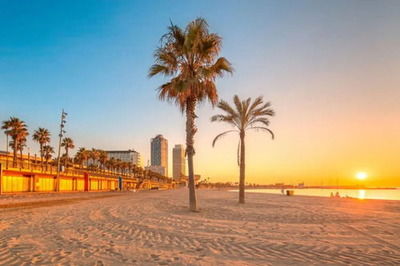
One of Spain’s greatest treasures is its famous beaches and seaside resorts. The country is bordered by several seas and an ocean at once: the Mediterranean Sea, the Atlantic Ocean and the Cantabrian Sea, which means there is something here for almost every taste.
Spain is known both for its long sandy beaches with well-developed infrastructure and for its small picturesque coves with crystal-clear water. Some tourists choose lively resorts with restaurants, promenades and nightlife, while others prefer quieter places for relaxing in nature.
The coastlines of Costa Blanca, Costa Brava, Costa del Sol and the Balearic Islands are especially popular. Millions of tourists come here every year for the warm sea, mild climate and the famous Spanish holiday atmosphere.
In addition to mainland Spain, the country is also famous for its islands. The Canary Islands attract travellers with the opportunity to enjoy holidays by the ocean almost all year round, while Ibiza has long been one of the most famous resorts in Europe.
💡 In many regions of Spain, the beach season lasts from late spring until mid-autumn, and in the southern parts of the country warm weather often continues even in winter.
Spanish cuisine and gastronomy
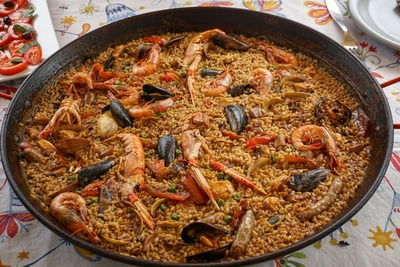
Spain is famous not only for its beaches and architecture, but also for its vibrant national cuisine, which has long become one of the country’s hallmarks. For many travellers, discovering Spain begins with its local gastronomy — cosy tapas bars, lively Spanish markets and family-run restaurants.
Each region of the country has its own gastronomic traditions and dishes. Among the most famous Spanish dishes are paella, jamón, tapas, gazpacho, tortilla and seafood. Mediterranean cuisine is especially popular, with plenty of fresh vegetables, olive oil, fish and meat.
Spaniards treat food as an important part of their lifestyle. Long dinners, meeting friends in bars and the atmosphere of relaxed dining are highly valued here.
Special attention should also be paid to traditional Spanish drinks — sangria, Spanish wines, cava, cider and local liqueurs, which perfectly complement the national cuisine.
💡 In many cities across Spain, gastronomy has long become part of the tourist culture: travellers come here specifically for the markets, tapas routes and the chance to discover local culinary traditions.
Flamenco, bullfighting and traditions
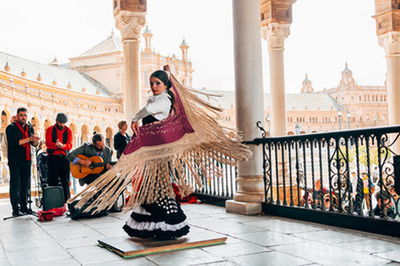
Some of the most recognisable symbols of Spain around the world remain flamenco and bullfighting. These traditions have long become part of Spanish culture and continue to be associated with passion, temperament and the country’s unique atmosphere.
Flamenco is not just a dance, but a whole art form that combines music, singing and emotional performance. Rhythmic clapping, the sound of the Spanish guitar and the expressive movements of the dancers create an atmosphere that is difficult to confuse with anything else.
Flamenco is especially closely connected with Andalusia — the southern region of Spain where this tradition developed under the influence of different cultures. Today, authentic flamenco can be seen both in small local tablaos and at major festivals throughout the country.
You can learn more about the history and features of this art form in the article Flamenco in Spain.
Bullfighting, known in Spain as corrida, has long been part of the country’s cultural identity. While some people see it as an important historical tradition, others view it as a controversial practice that continues to spark debate.
Despite the mixed attitudes towards bullfighting, it remained an important part of Spanish culture for many centuries and is still associated with the history and traditions of Spain.
💡 Spain is known not only for its landmarks and resorts, but also for its unique atmosphere of festivals, music and emotional openness, which can be felt in many local traditions.
Festivals and holidays in Spain
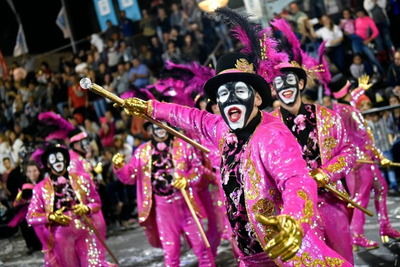
Spain is famous for its vibrant festivals and celebrations, which attract millions of tourists from all over the world every year. In many cities across the country, celebrations become real shows with music, dancing, parades, fireworks and centuries-old traditions.
One of the most famous is the carnival in Spain, accompanied by costume parades and festive atmosphere. Equally popular are the famous Las Fallas in Valencia, the tomato fight La Tomatina, the San Fermín bull run in Pamplona and the colourful Festa Major de Gràcia in Barcelona.
A special place among Spanish traditions is also held by the San Juan festival, celebrated on the night of 24 June. On this night, the beaches of Spain are filled with bonfires, music and festive gatherings, and the atmosphere itself is considered one of the most unusual of the year.
Spaniards know how to turn celebrations into part of everyday life. In many regions, festivals preserve traditions that have existed for several centuries and allow tourists to better experience the character and culture of the country.
💡 Thanks to such celebrations, Spain is often associated with an atmosphere of joy, openness and constant movement, where even an ordinary evening in the city can easily turn into a real festival.
Football and sport in Spain

Spain is famous for its enormous love of football. For many people in the country, this sport has long become part of the national culture and everyday life.
Spanish football clubs are among the most famous and successful in the world. Particularly popular are Madrid’s Real Madrid and Catalonia’s Barcelona, whose matches attract millions of viewers around the globe.
In many cities across Spain, football can be felt literally everywhere: fans watch matches in bars, discuss teams in the streets, and the days of important games become real events for entire neighbourhoods.
Spain is also famous for its stadiums and football atmosphere. Many tourists come here specifically to visit the legendary Santiago Bernabéu Stadium in Madrid or the Olympic Stadium and FC Barcelona museum.
Besides football, tennis, cycling, basketball and water sports are also popular in Spain, but football remains one of the main symbols of modern Spanish culture.
💡 Even people who are not interested in sport quickly notice while travelling around Spain just how important football is for local residents and how strongly it influences the atmosphere of the country.
Spanish art
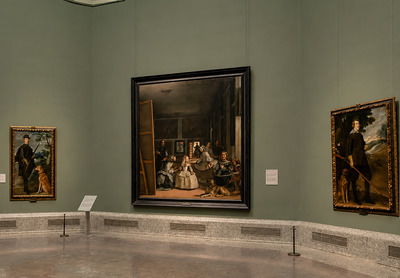
Spain has given the world many great painters, architects and figures of art whose works have long become part of global culture.
It was here that Pablo Picasso, Salvador Dalí, Francisco Goya, Diego Velázquez and Antoni Gaudí lived and created their masterpieces. Their work continues to attract millions of tourists to museums, galleries and historic cities across Spain.
Particularly popular are the Prado Museum in Madrid, the Dalí Theatre-Museum in Figueres and Gaudí’s famous architectural works in Barcelona.
Spanish art is known for its emotional intensity, vivid imagery and bold creative ideas. In many ways, it is culture and art that have made Spain one of the most recognisable countries in Europe.
Even today, art remains part of everyday life in many Spanish cities: street musicians, art exhibitions, festivals and unusual architecture can be found here literally at every step.
💡 For many travellers, discovering Spain begins precisely with art — famous paintings, architectural masterpieces and the atmosphere of creative freedom for which the country is renowned.
Architecture and historic cities
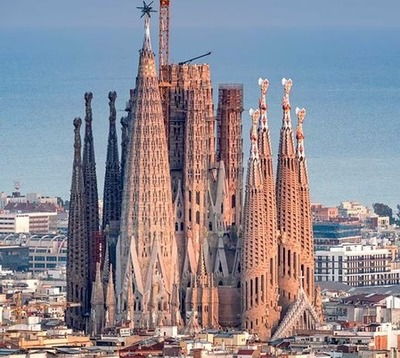
Spain is also famous for its unique architecture, where different eras and cultures are intertwined. Ancient Roman ruins, Moorish palaces, medieval fortresses, Gothic cathedrals and famous modern buildings have all been preserved throughout the country.
One of the most recognisable symbols of Spain is the Sagrada Família in Barcelona — the magnificent cathedral by Antoni Gaudí, which has remained one of the most visited landmarks in Europe for many years.
In many Spanish cities, architecture literally reflects the country’s history. Andalusia preserves a rich Moorish heritage, the central part of the country is known for its medieval towns and royal palaces, while along the coast modern cultural spaces appear alongside historic quarters.
Barcelona, Madrid, Seville, Toledo, Granada, Córdoba and Valencia are especially famous for their atmosphere. Each of these cities reveals Spain’s character in its own way — from royal architecture and ancient cathedrals to narrow streets, inner courtyards and lively squares.
Many historic areas of Spain are included on the UNESCO World Heritage List and are considered among the most beautiful in Europe.
💡 While travelling around Spain, even an ordinary walk through an old town often turns into a real journey through history, where Roman heritage, Arab architecture and modern Spanish traditions exist side by side.
Climate, nature and landscapes
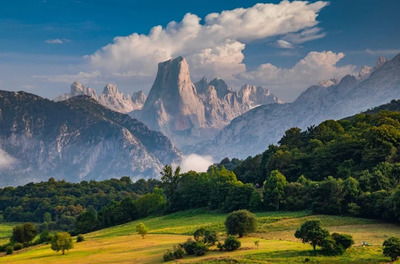
Spain is known for its warm climate and wide variety of natural landscapes. Thanks to its geographical location, it is possible to enjoy holidays here almost all year round — from the beaches of the Mediterranean Sea to the mountainous regions in the north of the country.
Nature looks completely different in various regions of Spain. In the south of the country there are the hot and sunny areas of Andalusia, in the north — green mountains and the Atlantic coast, while the central part is known for its picturesque plains and historic cities.
The Pyrenees Mountains, national parks, the volcanic landscapes of the Canary Islands and Mediterranean coastlines with turquoise waters are especially popular.
Spain is suitable not only for beach holidays. Here you can go hiking, ski, travel through natural parks, explore mountain villages or simply enjoy beautiful views while travelling around the country.
The mild climate makes Spain especially popular among tourists from different countries. In many regions, sunny weather lasts for most of the year, and even in winter temperatures remain comfortable enough for walks by the sea.
💡 It is precisely the combination of sea, mountains, sunny weather and diverse nature that makes Spain one of the most attractive countries in Europe for travel and holidays.
Spanish lifestyle and atmosphere
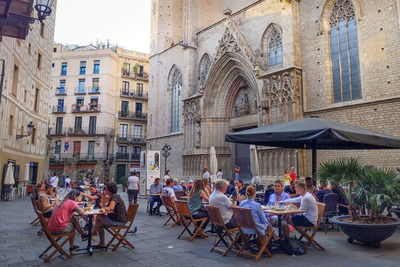
Spain is famous not only for its beaches, architecture and cuisine, but also for its unique way of life, which many tourists begin to notice during their very first days of travelling around the country.
In many Spanish cities, life feels calmer and more relaxed. People here enjoy long evening strolls, meeting friends on café terraces, family dinners and unhurried conversations.
Spaniards know how to enjoy simple moments — good weather, delicious food, socialising and relaxation. It is this atmosphere of ease and openness that often becomes one of the reasons why travellers want to return to Spain again and again.
Local people are generally friendly towards tourists and happy to help, even if the conversation takes place through a mixture of different languages and gestures. This is especially noticeable in smaller towns and family-run establishments, where the traditional Spanish atmosphere is still preserved.
In many ways, it is the combination of warm climate, social culture and love of life that creates the recognisable Mediterranean lifestyle with which many people associate Spain.
💡 For many people, Spain is remembered not only for its landmarks, but also for its feeling of inner ease, sunny atmosphere and the ability to enjoy life without constant rushing.

 English
  Español
  Русский