
Dénia is one of the most atmospheric cities in the province of Alicante, located on the Costa Blanca coast between Valencia and Alicante.
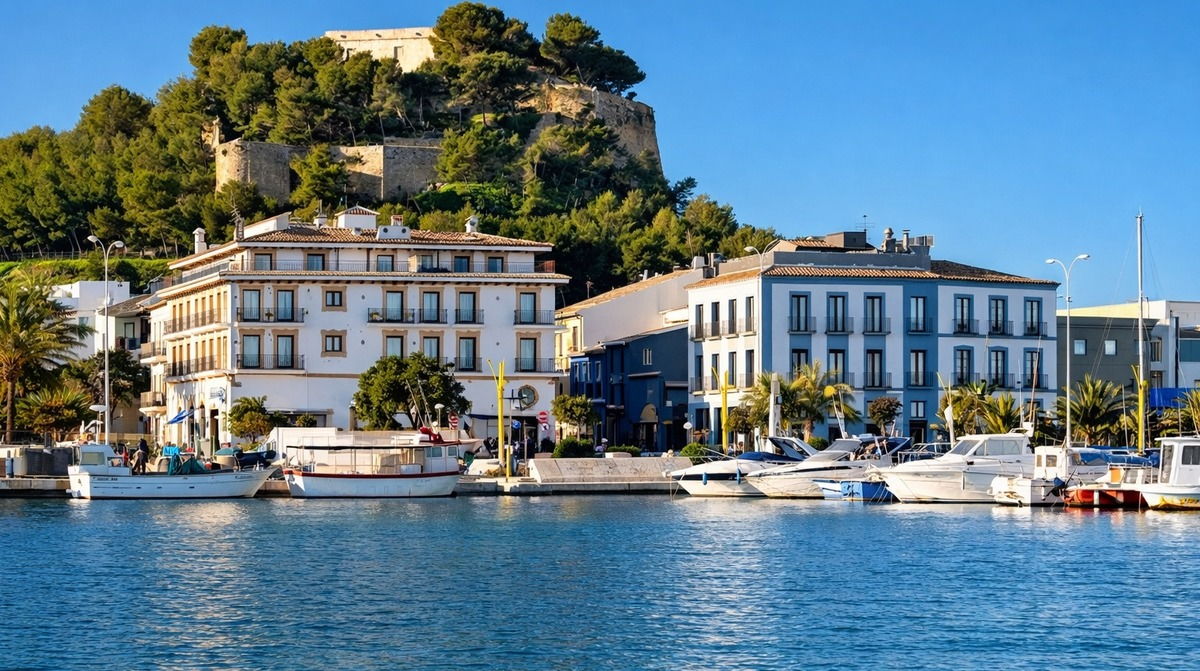
If you are planning a trip and wondering what to see in Dénia or looking for the best things to do in Dénia, this city will pleasantly surprise you with its combination of historic architecture, cozy streets, beautiful beaches, and a vibrant seaside atmosphere.
The city's main landmark is the majestic Dénia Castle, which rises on a hill directly above the historic center. From here, you can enjoy impressive views of the port, the old town, and the coastline.
Dénia is known not only for its attractions but also for the unique atmosphere of a seaside city. Along the promenade, there are restaurants and cafés where you can try fresh seafood, traditional dishes, and famous Valencian cuisine.
In summer, the city becomes especially lively: terraces open, festivals take place, and the streets fill with tourists and locals enjoying warm evenings by the sea.
In this article, you will find the main attractions of Dénia — from the historic center and castle to picturesque districts, museums, and the city's best beaches.
Dénia Attractions — Table of Contents
Below are the most interesting places in the city, as well as useful information about parking to make planning your walk easier.
- Dénia Castle (Castell de Dénia)
- Castle Tunnel (Túnel del Castell)
- Historic Center of Dénia
- Dénia Town Hall
- Iglesia de la Asunción Church
- Marqués de Campo Street
- Baix la Mar Fishermen’s District
- Montgó Natural Park
- Museums of Dénia
- Beaches of Dénia
- Where to Park in Dénia
Top Attractions in Dénia
In Dénia, you can find both historical monuments and charming districts, museums, and beautiful beaches suitable for walks at any time of the year.
Dénia Castle (Castell de Dénia)
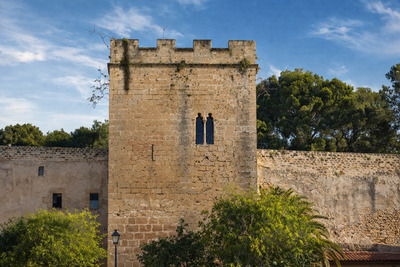
Dénia Castle is the main historical attraction of the city and its most recognizable symbol. It rises on a hill in the very center of Dénia and is visible from almost anywhere in the city.
The fortress was built during the Islamic period in the 11th–12th centuries and originally served as the residence of rulers and a defensive structure. Later, during the Christian era, it was strengthened and expanded, and during the Renaissance, new bastions and defensive walls were added.
Over time, the castle underwent many changes: in the 19th century, it became private property, and in the 20th century, it was returned to the city and fully restored. Today, it is one of the most popular places for walks and learning about the history of Dénia.
On the castle grounds, you can see remains of ancient fortifications, gates from different eras, towers, and inner courtyards. Traces of several historical periods have been preserved here, making a walk around the site especially interesting.
Among the most notable features worth paying attention to are the Red Tower (Torre Roja), the historic Portal de la Vila gate, the remains of the medieval Vila Vella district, and the Governor’s Palace (Palau del Governador), where the Archaeological Museum was previously located.
But even without going deep into historical details, it is worth climbing here for the stunning panoramic views. From the top of the hill, you can enjoy wide views of the port, the old town, the beaches, and the Costa Blanca coastline.
It is best to plan your visit to the castle in the morning or closer to the evening when it is not so hot. A walk around the grounds usually takes from one to two hours and can easily be combined with further exploration of the historic center.
Castle Tunnel (Túnel del Castell)
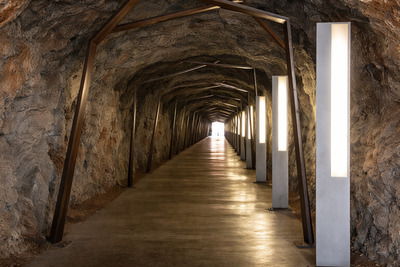
The Castle Tunnel is one of the most unusual places in the historic center of Dénia and a convenient passage beneath the hill where the city castle is located.
This pedestrian tunnel, about 200 meters long, connects Plaza del Consell with Ronda de las Murallas Street and allows you to quickly move from one part of the old town to another.
The history of the tunnel is connected with the events of the Spanish Civil War. In 1937–1938, it was built as a shelter for civilians to protect them from aerial bombings. During those years, Dénia had important strategic significance, so such shelters were vital.
After the war ended, the tunnel was preserved and opened for free passage, turning it into a convenient urban route. Today, it remains part of the city infrastructure and at the same time an interesting historical site.
In 2011, the tunnel was completely reconstructed: the lighting was renewed, the surface improved, and it was made safer and more comfortable for pedestrians.
Walking through the tunnel, it is hard not to imagine how many years ago it served as a refuge for the city's residents. Today, it is a convenient and atmospheric route that allows you to continue your walk through the historic center of Dénia.
Historic Center of Dénia (Casco Antiguo)
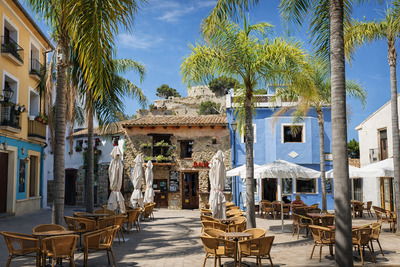
The historic center of Dénia is one of the most atmospheric places in the city, where you can feel its centuries-old history and the relaxed Mediterranean lifestyle.
After walking through the Castle Tunnel, you arrive directly in the old part of the city, where narrow streets, small squares, and historic buildings that have preserved the character of past eras begin.
This area developed over many centuries, so you can see architectural elements from different periods here — from medieval fortifications to later residential houses and urban buildings.
It is especially pleasant to simply walk along these streets without rushing: step into small shops, photograph historic facades, and observe the everyday life of the city.
In the center, there are several small squares where city events, fairs, and festivals often take place. In the evening, the area becomes especially lively — terraces open, street musicians appear, and a truly southern atmosphere is created.
From here, it is convenient to continue your walk to other important attractions — the town hall, the church, and the city's main street, Marqués de Campo.
Dénia Town Hall (Ayuntamiento de Dénia)
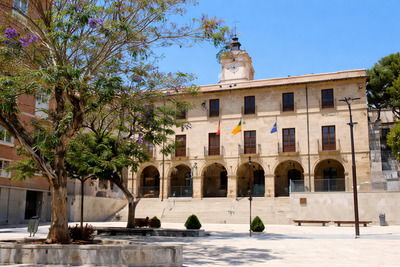
The Dénia Town Hall is located on Plaza de la Constitución — one of the central places in the city where the main walking routes intersect. The building stands in the very heart of the historic center, next to Plaza del Consell and not far from the Glorieta area. From here, it is convenient to begin a walk through the old streets and explore the city's attractions.
Around the square, there are cozy cafés and small shops, and the area itself is a pedestrian zone. Thanks to this, it is pleasant to walk here at any time of day, admiring the architecture and observing city life.
Nearby run some of the most famous streets in Dénia — Loreto, La Mar, and Marqués de Campo. This is usually where tourists head after visiting the castle and the old town to continue their walk through the center.
The square near the town hall often becomes a venue for city events, celebrations, and fairs, so on different days you can experience a completely different atmosphere here.
Church of the Assumption of the Blessed Virgin Mary (Iglesia de la Asunción)
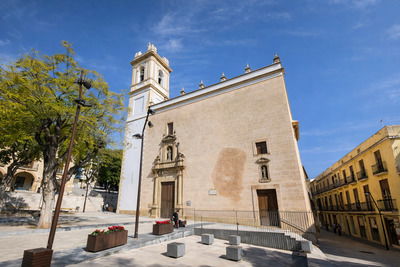
The Church of the Assumption of the Blessed Virgin Mary is located next to the town hall, in the very center of the historic part of Dénia, and is considered one of the main religious buildings in the city.
The church was built in the 18th century, but later suffered during military events and was restored in 1939. Today, it looks neat and harmoniously fits into the architecture of the central square.
The church has two entrances: the main one leads into the church, and the second leads to the Capilla del Roser chapel. Nearby stands a brick bell tower, which is clearly visible among the surrounding buildings.
Inside, the church looks quite bright and peaceful. Here you can see blue walls, neat rows of benches, decorative elements, and beautiful stained-glass windows that create an atmosphere of comfort and tranquility.
Entry to the church is usually free, but it is worth noting that evening services take place here. For example, mass is held from Monday to Saturday, so during this time access for sightseeing may be limited.
On holidays, the area around the church becomes especially lively — religious celebrations take place, decorations are installed, and city residents gather. If you happen to be here during such a period, you can see a completely different, more festive atmosphere in the center of Dénia.
After visiting the church, it is convenient to continue your walk along one of the most famous streets in the city — Marqués de Campo.
Main Street Marqués de Campo
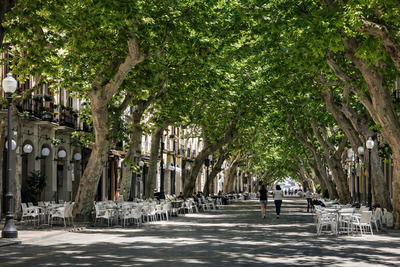
Marqués de Campo Street is the main promenade artery of Dénia and one of the liveliest places in the city. This is where people usually head after walking through the historic center.
The street appeared at the end of the 19th century and was named after José Campo Pérez — the entrepreneur thanks to whom a railway line was brought to Dénia. Over time, this street became the central place of city life.
Today, Marqués de Campo is a long, wide avenue with palm trees and beautiful building facades. There are many restaurants, ice cream cafés, shops, and boutiques here, so lovers of walking and shopping will definitely not get bored.
Along the street, you will find shoe stores, jewelry shops, and clothing stores, as well as cozy cafés where it is pleasant to take a break during your walk.
Marqués de Campo is considered the center of public life in Dénia. Parades, city celebrations, festivals, and fairs regularly take place here, attracting large numbers of residents and tourists.
On Saturday evenings, the street becomes fully pedestrianized and is closed to traffic until Monday. During this time, it fills with strolling people, street musicians, and an especially lively atmosphere.
A walk along this street is one of the best ways to feel the true spirit of the city and see how modern Dénia lives.
Baix la Mar Fishermen’s District
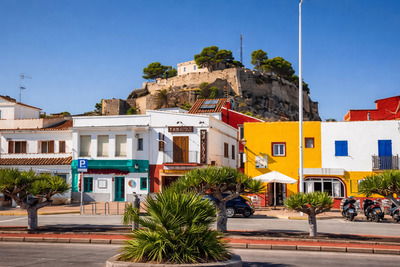
The Baix la Mar fishermen’s district is one of the most picturesque and atmospheric places in Dénia, whose history is closely connected with the sea and fishing.
Its origins date back to the Arab period, when this area was called "raval del mar" and served as a settlement near the port. Later, in the 19th century, maritime trade developed actively here, and the district became an important part of city life.
Today, Baix la Mar is a cozy tourist district where it is pleasant to walk along narrow streets among low-rise houses painted in bright colors. Many facades are decorated with flowers, making the area especially photogenic and popular among travelers.
The center of the district is considered to be Plaza de San Antonio — a lively place with restaurants, bars, and open terraces. It is a great spot to take a break during your walk, try local dishes, or simply enjoy the atmosphere of a seaside city.
In the evening, the area becomes especially beautiful: soft lighting turns on, terraces open, and the streets fill with people. It is one of the best places in Dénia to experience the true spirit of the city by the sea.
Montgó Natural Park (Parque Natural del Montgó)

Montgó Natural Park is one of the most impressive natural attractions in Dénia and its natural symbol. Mount Montgó rises next to the city and is clearly visible from almost anywhere along the coastline.
If you have some time to spare and enjoy walking while admiring natural beauty, this park is definitely worth visiting. It is located between Dénia and the neighboring town of Jávea and is considered one of the most scenic places in the region.
Several hiking routes of varying difficulty run through the park. The most popular trails range from 2 to 6 kilometers in length and are suitable even for those who prefer relaxed walks without serious preparation.
For more active travelers, there is a route to the summit of Montgó — its length is about 5–6 kilometers one way, and the ascent usually takes from 2 to 3 hours. From the top, you can enjoy impressive views of the Costa Blanca coastline, the port of Dénia, and the surrounding mountain ranges.
The most popular starting point for walks in the park is located near the Ermita del Pare Pere chapel, about a 10–15 minute drive from the center of Dénia. Several hiking trails begin here, suitable both for short walks and longer routes to the mountain summit.
Even if you do not plan to climb to the summit, walking along the lower trails of the park already allows you to enjoy beautiful landscapes, fresh air, and a peaceful atmosphere away from the city bustle. It is especially pleasant to walk here in spring and autumn, when the temperature is most comfortable.
It is important to keep in mind that in summer it can be quite hot in the mountains, so it is best to plan walks early in the morning or closer to the evening and be sure to bring water and comfortable shoes.
Museums of Dénia
There are several small but interesting museums in Dénia that allow you to better understand the history of the city and its cultural traditions.
Archaeological Museum (Museo Arqueológico)
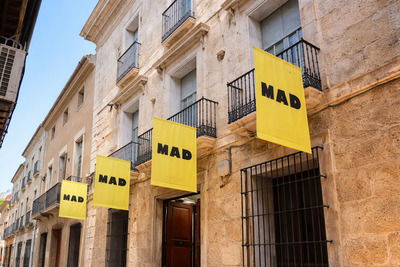
The Archaeological Museum of Dénia is located in the historic center of the city, on Calle Cavallers, in the Casa de la Marquesa building. Previously, the museum was located within the castle grounds, but in recent years the exhibition has been moved to the city center.
The museum's collection includes finds from several historical periods — Iberian, Roman, Muslim, and Christian. The exhibitions allow visitors to trace the development of Dénia over many centuries and better understand the city's role in the history of the Mediterranean.
Today, a visit to the museum can easily be combined with a walk through the historic center and the area around the castle. It is one of the best places to explore the ancient history of Dénia and its archaeological heritage.
Ethnological Museum (Museo Etnológico)
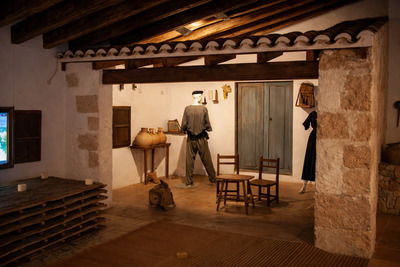
The Ethnological Museum is located in the historic center of Dénia and introduces visitors to the life of local residents in the 19th century.
The main part of the exhibition is dedicated to the period when the city developed actively thanks to the cultivation and export of grapes. Here, you can see household items, furniture, clothing, and old photographs that tell the story of the lives of wealthy families of that time.
Toy Museum (Museo del Juguete)

The Toy Museum (Museo del Juguete) is located in the building of the former railway station and is considered one of the most unusual museums in Dénia.
Its collection includes toys from the early 20th century — metal, wooden, and mechanical models that were produced in this region. This museum is usually especially popular with children, but adults also often find many interesting exhibits here.
Beaches of Dénia
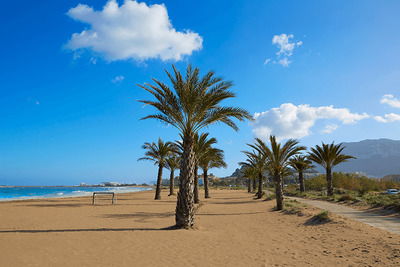
Dénia is famous for its long and diverse beaches that stretch along the coastline for many kilometers. Here, you can find both calm sandy areas for family vacations and more scenic spots for walks by the sea.
The city's beaches are generally divided into two parts: sandy beaches to the north of the port and more rocky areas to the south, where beautiful views open up toward the cape and Mount Montgó.
La Marineta Cassiana Beach (Playa La Marineta Cassiana)
La Marineta Cassiana Beach is located near the port and is considered one of the most convenient places for relaxation. It features a gentle entry into the water, a calm atmosphere, and good infrastructure.
Along the beach, there are bars and restaurants where you can try fresh seafood and dishes of valencian food. This is a popular place among both tourists and local residents.
Les Marines Beach (Playa Les Marines)
Les Marines Beach is one of the most well-known sandy beaches in Dénia. It is located to the north of the port and stretches for several kilometers, so it is usually easy to find a free spot even during the peak season.
The beach features clean water and good facilities. During the summer months, lifeguards are on duty, walking paths are available, and amenities are provided for people with limited mobility.
For active recreation, umbrella rentals, water activities, and sports areas are available, making this beach convenient for families with children.
Les Bovetes Beach (Playa Les Bovetes)
Les Bovetes Beach is located near the Les Marines area and is considered one of the most comfortable places for family vacations. It features soft sand, an easy entry into the water, and well-developed infrastructure.
Here, you can often see families, water sports enthusiasts, and those who prefer a peaceful holiday by the sea.
Les Deveses Beach (Playa Les Deveses)
Les Deveses Beach is located a bit farther from the center and is considered one of the most picturesque parts of the coastline. There is less urban bustle here and more natural scenery.
This beach is especially popular among lovers of peaceful relaxation, long walks along the sea, and beautiful sunsets. It is also popular among windsurfing enthusiasts and fans of other water sports.
Regardless of whether you prefer active recreation or peaceful walks by the sea, it is easy to find a beach in Dénia that suits you perfectly.
Clean beaches, rich history, cozy districts, and a vibrant cultural life make Dénia one of the most interesting cities on the Costa Blanca for travel and relaxation.
Where to Park in Dénia
If you are planning a trip by car and looking for where to conveniently park in Dénia, the city offers both free and paid parking options near the main attractions.
Thanks to the variety of parking areas, it is usually possible to find a suitable place for your car within a few minutes' walk from the center or the beaches.
Free Parking in Dénia
One of the most convenient options is Parking en la entrada de Dénia, located at the entrance to the city. From here, it takes about 15 minutes to walk to the center.
Another popular option is Aparcamiento Miguel Hernández. This is a spacious free parking area near the historic center and the castle.
The large Parking de Torrecremada is also frequently used by tourists. However, it is worth noting that on Mondays, a street market takes place here (usually from 8:00 to 14:00), so leaving your car here for a long time on this day is not recommended.
You can also look for a spot at Parking en avenida Montgó — it is quite spacious and most often free.
Parking is also available in the beach areas, but during the high season, free spaces may fill up quickly.
Paid Parking
If proximity to the center is important, you can use paid parking facilities. For example, La Via Car Park is located in the central part of the city and is considered one of the most convenient options.
Popular options also include Parking CentroMar and parking areas in the Zona comercial Marqués de Campo area, from where it is convenient to continue your walk along the city's main streets.
Knowing the main parking locations allows you to plan your walk around the city calmly and spend more time exploring the attractions of Dénia.
What to See Near Dénia
Dénia is conveniently located between popular resorts along the Costa Blanca coastline, making it easy to take day trips to other interesting cities and natural attractions in the region.
- What to See in Altea — one of the most beautiful towns on the coast, with whitewashed houses, narrow streets, and the famous church with blue domes.
- Calpe Attractions — a city known for the famous Peñón de Ifach rock and picturesque beaches.
- What to See in Guadalest — a picturesque mountain village located on a cliff with stunning views of the valley and turquoise reservoir.
- Algar Waterfalls (Fonts de l'Algar) — one of the most beautiful natural places in the region, where you can walk along cascading waterfalls and refresh yourself in natural pools.
- What to See in Benidorm — the largest resort on the Costa Blanca, with skyscrapers, beaches, and a lively atmosphere.
- 5 Best Theme Parks in Benidorm — an excellent option for family vacations, including Terra Mítica park and water parks.
- Main Attractions of Alicante — the capital of the province with Santa Bárbara Castle, a promenade, and museums.
- Torrevieja: What to See in the City — a popular resort with salt lagoons and long sandy beaches.

 English
  Español
  Русский