
Madrid is one of the best cities in Spain for gastronomic discoveries. Here, historic taverns stand alongside modern gastro-bars, and traditional Madrid dishes can be enjoyed both in family-run establishments with a long history and at popular food markets.
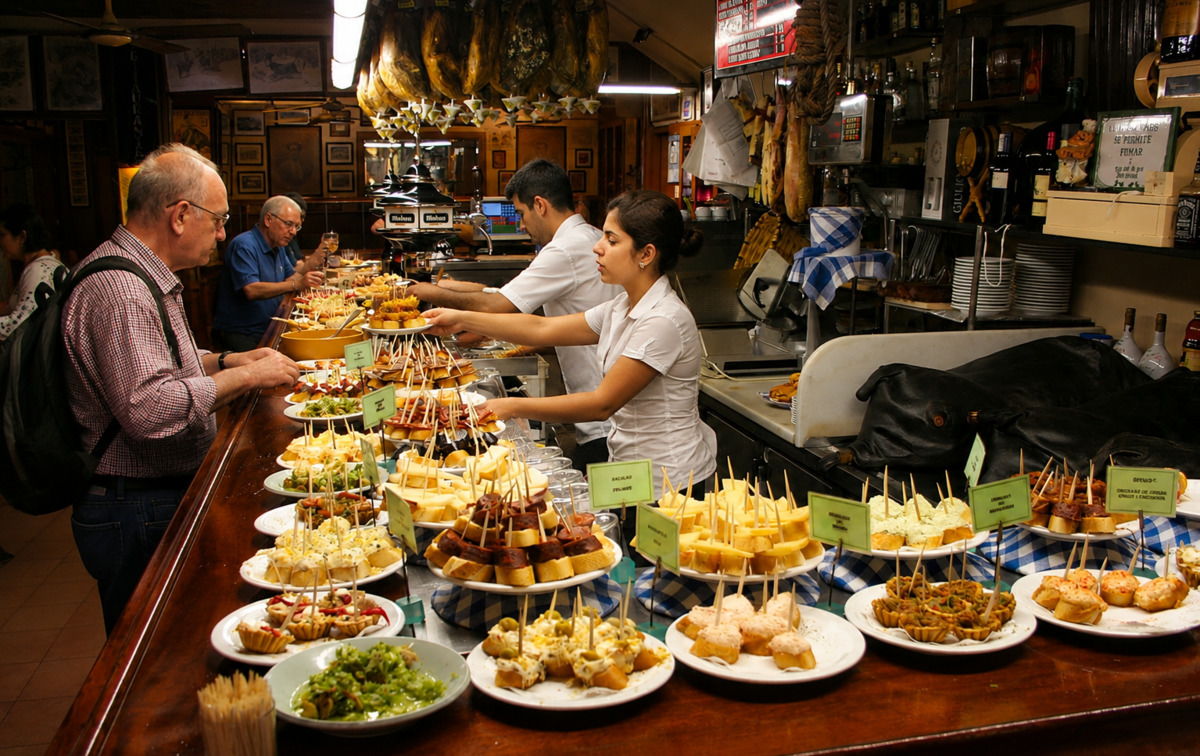
For many visitors, discovering the Spanish capital begins not only with its museums, palaces and historic squares, but also with its local cuisine. Madrid is famous for its taverns, tapas bars, food markets and restaurants, where you can try both the renowned cocido madrileño and bocadillo de calamares, as well as modern interpretations of traditional Spanish dishes.
If you are planning a trip and deciding where to eat in Madrid and what to try, this guide will help you discover the gastronomic side of the Spanish capital. Below you will find the main dishes of Madrid cuisine, the best districts for food walks, popular tapas bars, markets and restaurants that are worth including in your city itinerary.
- What to try in Madrid — the main dishes and gastronomic symbols of the capital.
- Traditional taverns and bars — where to find authentic Madrid cuisine.
- Tapas bars and food walks — the best way to discover local flavours.
- Madrid food markets — dozens of dishes and snacks under one roof.
- Restaurants serving traditional cuisine — from classic establishments to modern gastronomy.
- The best districts to eat in Madrid — La Latina, Chueca, Malasaña, Salamanca and other gastronomic neighbourhoods.
- One-day food route — how to discover Madrid’s cuisine in a single walk.
What to try in Madrid
Madrid cuisine is not as well known outside Spain as Valencian paella or Andalusian gazpacho, yet the capital has its own gastronomic icons that are well worth trying during your visit. Many of these dishes can be found in traditional taverns, food markets and restaurants throughout the city.
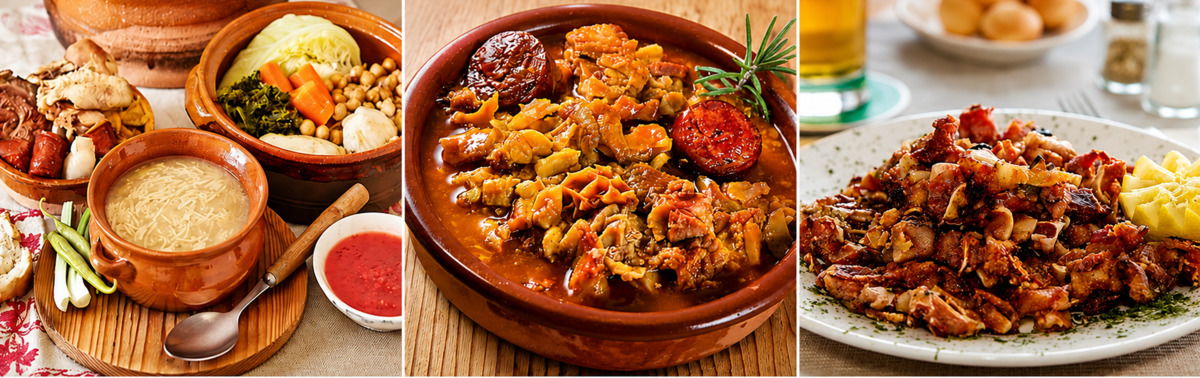
- Cocido madrileño — the famous stew with chickpeas, meat and vegetables, considered the signature dish of Madrid cuisine.
- Callos a la madrileña — spicy tripe with chorizo and morcilla, popular in the capital’s historic taverns.
- Bocadillo de calamares — the famous fried calamari sandwich, especially popular around Plaza Mayor.
- Gambas al ajillo — garlic prawns, one of the most popular tapas dishes in Madrid bars.
- Huevos estrellados — fried potatoes with eggs and ham, which has become a classic of local taverns.
- Rabo de toro — tender meat slowly braised in a wine sauce.
Of course, this is far from a complete list of Madrid dishes. The capital is also known for oreja a la plancha, gallinejas, rosquillas de San Isidro and other local recipes, which you can read about in more detail in the article on traditional Madrid cuisine.
Traditional taverns and bars
Traditional taverns offer a glimpse into the history of Madrid’s cuisine. It is in such establishments that dishes considered the hallmark of the capital have been served for decades: cocido madrileño, callos a la madrileña, oreja a la plancha, huevos estrellados and other traditional specialities.
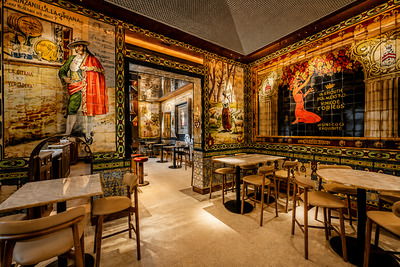
Many of these establishments have changed very little over the past decades. Wooden counters, old photographs on the walls, waiters who have worked there for many years and regular customers create an atmosphere that is difficult to reproduce in modern restaurants.
Particularly large numbers of traditional taverns have been preserved in the districts of La Latina, Lavapiés and around Plaza Mayor. These are the places where Madrileños themselves often come to meet friends, enjoy a family lunch or have a glass of wine after work.
Unlike tourist-oriented restaurants, old taverns rarely focus on elaborate presentation. The real value of these places lies in their time-tested recipes, generous portions and the feeling that you are discovering not the tourist side of Madrid, but its everyday life.
If you would like to begin your gastronomic journey through the Spanish capital with its most traditional dishes, taverns are one of the best choices for your first lunch or dinner in the city.
Tapas Bars and Food Walks
One of Madrid’s most enjoyable gastronomic traditions is not spending the entire evening in a single restaurant, but gradually moving from bar to bar, sampling different snacks and drinks. This style of socialising has long been part of the city’s culture and allows you to get to know the local cuisine far better than a single large dinner.
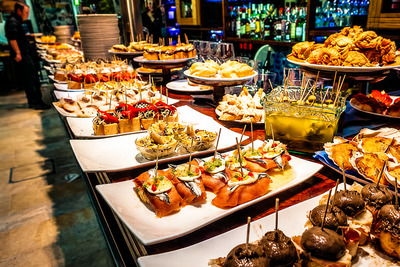
Tapas are small portions of various snacks served with wine, vermouth, beer or other drinks. In one establishment you can order gambas al ajillo, in another sample ham or cheeses, and in the next try croquettes, tortilla or fried calamari.
These gastronomic walks are particularly popular in the districts of Sol, La Latina, Malasaña and Chueca, where dozens of bars are located just a few steps from one another. As a result, you can sample far more dishes in a single evening than you would in a traditional restaurant.
It is in tapas bars that the true rhythm of the city is felt most strongly. People rarely rush here: they chat, discuss the news, meet friends and enjoy the evening over small bites and a glass of wine.
If you are visiting Madrid for the first time, it is worth dedicating at least one evening to this kind of gastronomic route. It is one of the simplest and most enjoyable ways to discover the local cuisine, the atmosphere of the city and the habits of the Madrileños themselves.
Madrid food markets
If your time in the city is limited and you would like to try several dishes in a single visit, Madrid’s food markets are one of the best options. It is here, under one roof, that you can discover both traditional Madrid cuisine and modern Spanish gastronomy.
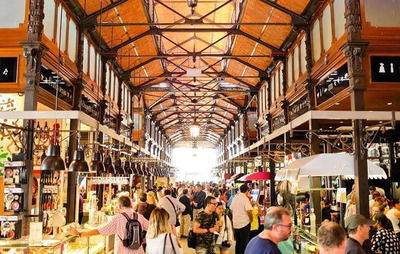
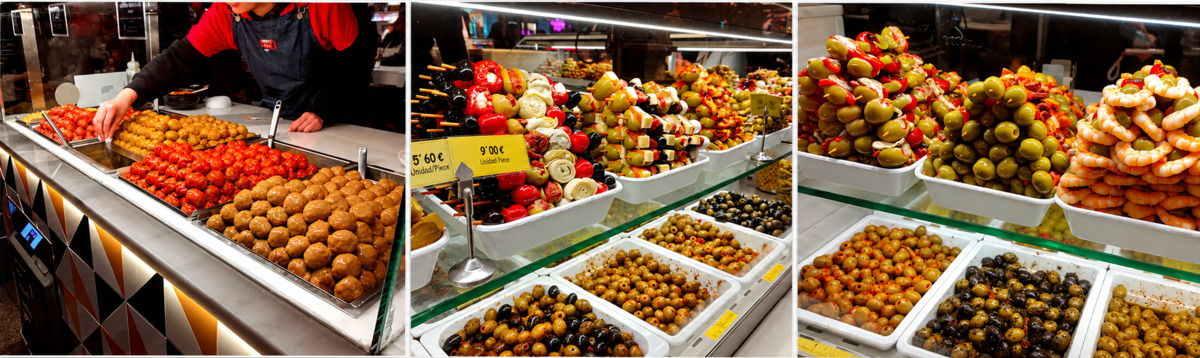
Unlike a traditional restaurant, where you are limited to a single menu, a food market allows you to create your own gastronomic route. For example, you can begin with oysters or jamón, then move on to tapas and garlic prawns, and finish your meal with a dessert and a glass of wine on a terrace.
Many travellers enjoy food markets precisely because they offer the opportunity to sample a little of everything. This is particularly convenient during the first days of a trip, when you want to discover which dishes you enjoy most and what might be worth ordering later in a restaurant or tavern.
The city’s best-known food markets include Mercado de San Miguel, Mercado de San Antón, Mercado de San Ildefonso, Mercado de San Fernando and the new Bernabéu Market. Each offers its own atmosphere, ranging from historic market halls to modern gastronomic spaces.
Interestingly, for many Madrileños a market is not only a place to shop or eat, but also a popular way of meeting friends. Nobody rushes to occupy a table for the entire evening; instead, people move freely between stalls, sample different dishes and enjoy their time in a relaxed atmosphere.
Restaurants serving traditional cuisine
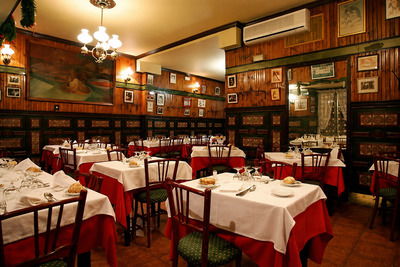
If food markets are ideal for discovering different flavours and tapas bars for leisurely walks around the city, restaurants remain the best choice for a full lunch or dinner. It is here that many traditional dishes are served in their classic form and in the portions that Madrileños themselves are accustomed to enjoying.
For example, the famous cocido madrileño is rarely ordered on the go or in tapas format. It is a hearty dish that is often served in several stages and is much better suited to a relaxed lunch. The same can be said of callos a la madrileña, rabo de toro and other traditional recipes of the capital’s cuisine.
Many restaurants specialising in local gastronomy are located in the districts of Salamanca, Chamberí, near the Prado Museum and in the historic city centre. Here you will find both establishments with a long history and modern restaurants that preserve traditional recipes while presenting them in a more contemporary style.
For Madrileños, a restaurant is most often a place for a family Sunday lunch, a gathering with friends or a celebratory dinner. As a result, visiting such an establishment allows you to discover not only the local cuisine, but also one of the city’s important traditions — the culture of long, unhurried meals enjoyed in good company.
The best districts to eat in Madrid
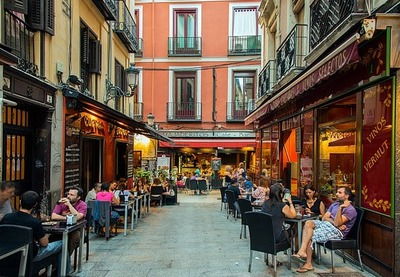
In Madrid, gastronomic life is not concentrated in a single area. Each district has its own character, atmosphere and culinary traditions, so the choice largely depends on the type of experience you prefer.
La Latina is considered one of the best districts for discovering traditional Madrid cuisine. It is home to numerous historic taverns, small bars and family-run establishments where you can try the capital’s classic dishes and experience the atmosphere of old Madrid.
Sol and the area around Plaza Mayor are ideal for those who want to combine sightseeing with gastronomic discoveries. This is where bocadillo de calamares, traditional tapas and numerous historic cafés are particularly popular.
Malasaña attracts a younger crowd and those who enjoy a more informal atmosphere. The district is full of modern bars, creative tapas, small gastronomic projects and venues that enjoy experimenting with traditional recipes.
Chueca is known for its lively nightlife, stylish restaurants and gastro-bars. It is often chosen for dinner after a walk through the city centre or for meeting friends.
Chamberí remains one of the favourite districts among Madrileños themselves. There are fewer tourists, the atmosphere is more relaxed and there are more establishments aimed primarily at local residents. This district is also home to the famous Calle Ponzano — one of Madrid’s best-known gastronomic streets. Stretching for around one kilometre, it is lined with dozens of bars, taverns and restaurants, making Ponzano a popular destination for food walks and evening gatherings with friends.
Salamanca is considered one of the city’s most prestigious districts. Here you will find elegant restaurants, wine bars and establishments where traditional Spanish cuisine is often combined with modern gastronomic trends.
If your time is limited, there is no need to try to visit every gastronomic district in a single trip. It is far more enjoyable to choose one or two neighbourhoods, stroll through the streets at a leisurely pace, stop at bars that catch your eye and observe how an ordinary evening unfolds in Madrid. These spontaneous discoveries often become the most memorable gastronomic experiences of a journey.
One-day gastronomic route
If you only have one day and would like to discover Madrid’s gastronomy without spending hours searching for restaurants and planning routes, try combining a walk through the historic centre with several gastronomic stops. This approach allows you to explore the city while sampling some of its most famous dishes.
Start your morning in the Sol district or near Plaza Mayor. It is an ideal place to enjoy a coffee and breakfast in one of the traditional cafés while watching the city centre gradually come to life.
Head to La Latina for lunch — one of Madrid’s most atmospheric districts. It is here that you will find many historic taverns where you can try cocido madrileño, callos a la madrileña and other local specialities.
After exploring the historic quarters, visit a food market. For example, Mercado de San Miguel, Mercado de San Antón or Mercado de San Fernando. This is an excellent opportunity to sample a variety of snacks, jamón, cheeses, seafood or desserts without having to order a full dinner.
In the evening, continue your discovery of the city in one of the districts known for its lively bar scene — Malasaña or Chueca. These neighbourhoods are perfect for ending the day with a relaxed bar crawl, enjoying tapas and a glass of Spanish wine or vermouth.
This route does not claim to be perfect, but it provides an excellent introduction to the different sides of Madrid’s gastronomy: traditional taverns, food markets, tapas bars and the atmosphere of the districts where local residents themselves enjoy spending their free time.
What Else to Do in Madrid
Gastronomy is only one of the reasons to visit the Spanish capital. After discovering Madrid’s cuisine, it is worth spending time exploring the historic districts, museums, markets and interesting destinations beyond the city itself.
- Madrid attractions — the capital’s main museums, squares, palaces and historic landmarks.
- Madrid transport: tickets, zones and fares — how to use the metro, buses and suburban trains, and how to save money when travelling around the city.
- Madrid street markets — flea markets, farmers’ markets and themed markets popular with local residents.
- Madrid theme parks and amusement parks — ideas for families with children and thrill-seekers alike.
- Aranjuez and the Royal Palace — one of the most interesting day trips from Madrid.
- What to see in Toledo — the ancient capital of Spain and one of the country’s most beautiful cities.
- What to see in Segovia — the famous Roman aqueduct, the old town and the gastronomic traditions of Castile.
- What to see in Ávila — medieval walls, historic churches and one of the most atmospheric cities in central Spain.

 English
  Español
  Русский