
Wine in Spain is much more than simply a drink. For Spaniards, it is an integral part of everyday life, centuries-old traditions and social culture. A glass of wine accompanies family lunches, gatherings with friends, dinners in restaurants and tastings at historic wineries, while almost every region of the country takes pride in its own grape varieties and distinctive wines.
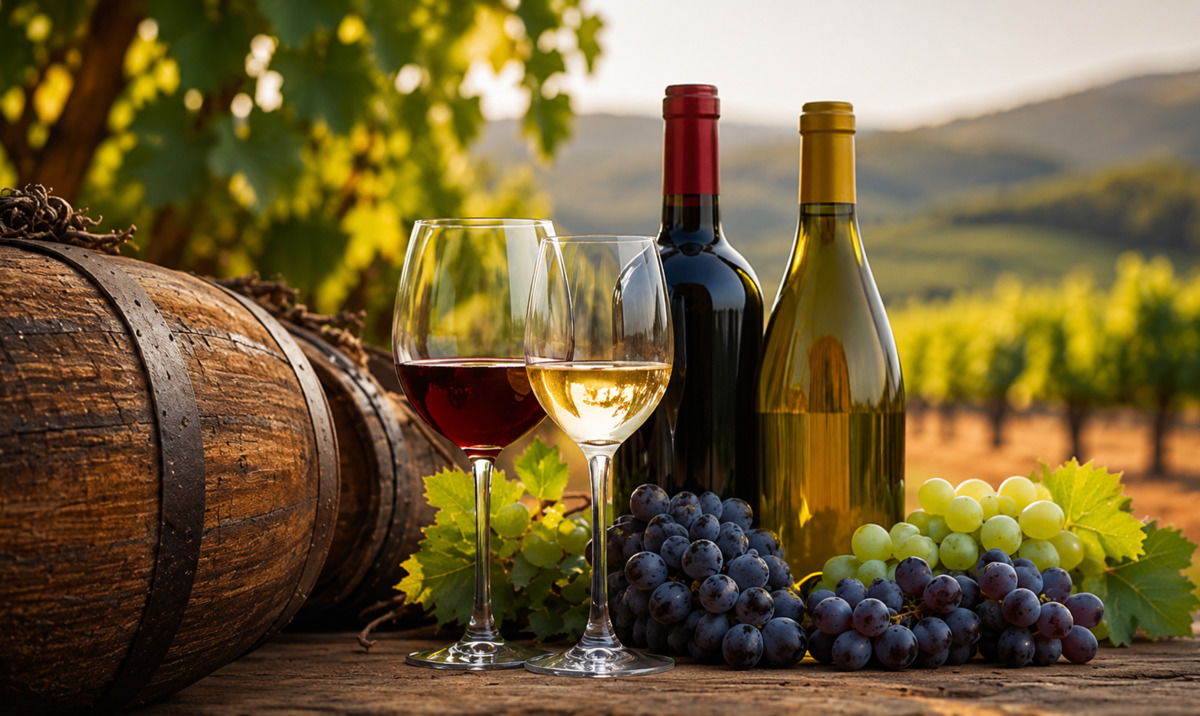
While travelling around Spain, many visitors encounter unfamiliar names on wine labels for the first time: Tempranillo, Garnacha, Albariño, Reserva, Crianza and Denominación de Origen. It is therefore no surprise that choosing the right bottle in a shop or understanding a restaurant wine list can be quite challenging.
In this guide, we explain in simple terms how the world of Spanish wine works, the differences between the main grape varieties, what the labels on Spanish wine bottles actually mean, which wine-producing regions are the most renowned, and which wines are worth trying while travelling around Spain.
Types of wine you can find in Spain
Spain is one of the world's leading wine-producing countries, producing virtually every major style of wine. Thanks to its diverse climate, centuries-old winemaking traditions and a vast number of native grape varieties, you will find everything from light white wines and full-bodied reds to refreshing rosés, the famous Cava and, of course, the world-renowned Sherry. Each region of Spain is known for its own distinctive characteristics, making a journey across the country a true gastronomic experience as well.
If you are choosing a Spanish wine for the first time, it is useful to understand the differences between the main types. This will make it much easier to navigate restaurant wine lists, wine shops and supermarkets.
Red wines (vino tinto)

Red wines are the true hallmark of Spanish winemaking. They form the backbone of the wine lists in most restaurants and wine shops throughout the country. The principal grape varieties used in their production are Tempranillo, Garnacha, Monastrell and Syrah.
Tempranillo is considered Spain's best-known grape variety and is distinguished by its smooth, well-balanced flavour with notes of ripe cherry, plum and spices. Garnacha is generally fruitier and lighter, Monastrell produces rich wines with hints of dark berries and chocolate, while Syrah adds spice, deep colour and aromas of black pepper to blends.
Red wines pair perfectly with beef, lamb, jamón, mature cheeses and traditional Spanish cuisine.
White wines (vino blanco)

White wines are particularly popular in Spain's coastal regions and are perfectly suited to the country's warm climate. The best-known white grape varieties are Albariño and Verdejo.
Albariño, grown mainly in Galicia, is characterised by fresh citrus aromas, delicate floral notes and pairs beautifully with seafood. Verdejo, the traditional grape variety of the Rueda region, has a fuller fruit flavour with notes of green apple, herbs and tropical fruit. These two varieties are most often recommended to visitors as an introduction to Spanish white wines.
Rosé wines (vino rosado)
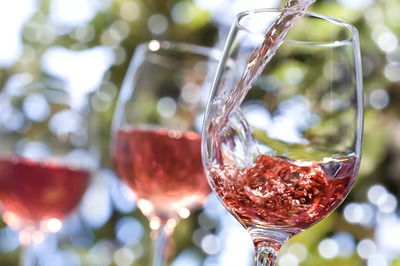
Rosé wines are especially popular during the summer months. They are known for their light, refreshing taste and are usually produced from red grape varieties using a special winemaking technique that preserves their delicate pink colour. Rosado pairs perfectly with tapas, salads, rice dishes, vegetables and fish.
Sparkling wines (cava)

Cava is Spain's principal sparkling wine. It is produced using the traditional method of secondary fermentation in the bottle, similar to that used for French Champagne. Cava is most commonly made from the native grape varieties Macabeo, Xarel·lo and Parellada, which give it its fresh fruity flavour and fine, delicate bubbles.
Cava is an excellent choice as an aperitif and pairs beautifully with seafood, cheeses and light appetisers. It is no coincidence that it is the sparkling wine most Spaniards choose to open for celebrations and family gatherings.
Fortified wines (Jerez or sherry)
Among Spanish wines, Jerez sherry) occupies a special place. Unlike most red and white wines, it is a fortified wine, meaning that grape spirit is added at a specific stage of production. This gives Sherry a higher alcohol content, a richer flavour and the ability to mature for many years.
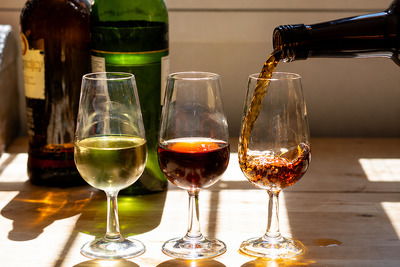
The principal grape variety used to produce most types of Sherry is Palomino Fino, while Pedro Ximénez and Moscatel are also used for sweeter styles. Authentic Sherry is produced exclusively in the area around Jerez de la Frontera, as well as in the towns of Sanlúcar de Barrameda and El Puerto de Santa María, which together form Andalusia's famous "Sherry Triangle". It is here that the unique solera and criaderas ageing system has been used for centuries, giving these wines their distinctive character.
However, Sherry is not a single wine but an entire family of fortified wines. The best-known dry styles are Fino and Manzanilla. The latter is produced exclusively in Sanlúcar de Barrameda (province of Cádiz). Thanks to its proximity to the Atlantic Ocean and the area's unique microclimate, Manzanilla has a lighter, fresher and slightly saline character. Other styles include the rich Oloroso, the nutty Amontillado, and the famous sweet Pedro Ximénez, which many consider to be one of Spain's most distinctive dessert wines.
💡 Traveller's tip: if you want to discover Spanish wine properly, don't limit yourself to red wines alone. During your trip, try at least one example of each style—a rich Tempranillo or Garnacha, a refreshing Albariño or Verdejo, a glass of rosé, traditional Cava and the famous Andalusian Sherry. It is the best way to appreciate the full diversity of Spanish winemaking.
What Joven, Crianza, Reserva and Gran Reserva mean
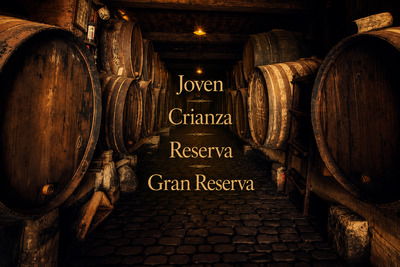
When browsing the wine shelves in a Spanish supermarket or opening a restaurant wine list, many visitors first notice the words Joven, Crianza, Reserva and Gran Reserva. Many mistakenly assume that these are grape varieties or different types of wine. In fact, these terms primarily refer to the wine's ageing period and help indicate what its flavour profile will be like.
In most cases, a simple rule applies: the longer a wine has been aged in oak barrels and in the bottle, the more complex, full-bodied and smooth its flavour becomes. However, this does not mean that a younger wine is inferior—it all depends on the occasion and your personal preferences.
Joven
Joven (meaning "young") is a wine with little or no ageing. It retains bright fruit aromas, freshness and lightness. These wines are usually more affordable than the other categories and are ideal for everyday dinners, tapas, paella, pizza, cured meats and grilled dishes.
If you see Tempranillo Joven on a bottle, it does not refer to a separate style of wine but simply to a young wine made from Tempranillo grapes without extended ageing in oak barrels. These are often the wines recommended to those who are just beginning to explore Spanish wine.
Crianza
Crianza is one of the most popular categories of Spanish wine. Before being released for sale, these wines undergo a mandatory ageing period, part of which takes place in oak barrels. As a result, they develop greater depth along with subtle notes of oak, vanilla and spice, while still retaining their fruity character.
For most travellers, Crianza wines represent the ideal balance between quality and price. They are versatile and pair beautifully with meat, jamón, cheeses and many traditional Spanish dishes.
Reserva
Reserva wines are aged significantly longer than Crianza wines. During this time, they develop a deeper, more harmonious flavour with notes of spices, leather, tobacco, chocolate and dried fruit. These wines are typically chosen for leisurely dinners or special occasions.
Gran Reserva
Gran Reserva is the highest category of aged Spanish wine. Before being released, these wines spend several years maturing in barrels and bottles, developing complex aromas and remarkable depth of flavour. They are not produced every year, but only from the finest vintages, which is why they are considerably more expensive and are often chosen by wine enthusiasts or purchased as a special gift from Spain.
💡 Traveller's tip: if you are buying Spanish wine for the first time and are unsure what to choose, start with a Crianza. It is widely regarded as the best compromise between price, quality and the classic character of Spanish wine. If, on the other hand, you would like to try the freshest and fruitiest style, look for wines labelled Joven.
How to read a Spanish wine label

If you are buying wine in Spain for the first time, don't be surprised if the information on different bottles varies considerably. Some labels provide detailed information about the wine-producing region, ageing category and grape variety, while others include only the most essential details. It all depends on the producer, the wine category and its price.
You do not need to understand every technical term to make a good choice. It is enough to recognise a few of the most common terms that genuinely help you understand what kind of wine you have in front of you.
Grape variety (varietal)
One of the most important pieces of information on the bottle is the grape variety. It largely determines the character of the wine. For example, the label Tempranillo – Syrah means that the wine is made from two grape varieties—Tempranillo and Syrah. Blends like these are quite common in Spain and often produce a more interesting and well-balanced wine.
If only one grape variety is listed, such as Tempranillo or Albariño, it means that this grape is the principal variety used to make the wine. As mentioned above, grape varieties play a major role in determining the character of red, white and rosé wines.
Ageing category
If the bottle includes the words Joven, Crianza, Reserva or Gran Reserva, they indicate how long the wine was aged before being released for sale. We explained these categories in detail above. However, there is no need to worry if these terms are absent—many young wines sold in supermarkets are released without any ageing classification on the label.
Wine-producing region
On more expensive bottles, you will often see the designations DO (Denominación de Origen) or DOCa (Denominación de Origen Calificada). These certify that the wine was produced in a specific wine region and complies with established quality standards.
At the same time, many excellent everyday wines may not carry either of these designations. Therefore, the absence of a DO or DOCa label does not necessarily mean that the wine is of poor quality.
What else you can find on the bottle
In addition to the essential information, producers often include the recommended serving temperature, suggested food pairings (Maridaje), alcohol content, bottle size and other useful details. For example, recommendations for pairing with meat, cheese or seafood can help you choose the right wine for a particular meal.
💡 Traveller's tip: don't try to understand every detail on the label straight away. For your first introduction to Spanish wine, it is enough to focus on just four things: the grape variety, the ageing category (if stated), the wine-producing region and the suggested food pairings. That alone will give you all the confidence you need to choose a good bottle in almost any Spanish wine shop.
Spain's main wine-producing regions
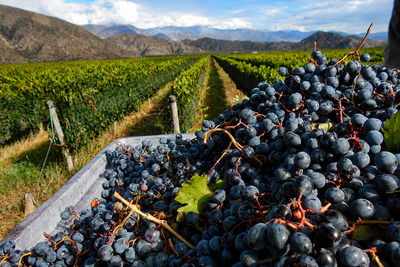
Spain has more than 70 officially recognised wine-producing regions (Denominación de Origen, DO), but visitors certainly do not need to remember them all. It is enough to know a few of the best-known regions, as these are the names you are most likely to see on bottles in shops, restaurants and wine lists throughout the country. Each is renowned for its own grape varieties, wine styles and long-established winemaking traditions.
La Rioja
Probably the best-known wine-producing region in Spain. Many classic red wines made from the Tempranillo grape originate here. Rioja wines are characterised by a smooth, well-balanced flavour with fruity notes and, after ageing, aromas of vanilla, spice and oak. If you are just beginning to explore Spanish wines, Rioja is one of the best places to start.
Ribera del Duero
This region is also famous for Tempranillo, but the local wines are generally richer, fuller-bodied and more powerful. They are often recommended to those who enjoy well-aged red wines with intense flavours and a long finish. Many premium-quality Spanish wines are produced here.
Rías Baixas
In Galicia, in north-western Spain, some of the country's finest white wines are produced. The region's flagship grape variety is Albariño. These wines are known for their freshness, vibrant citrus aromas and excellent pairing with fish, oysters, mussels and other seafood.
Rueda
If you prefer light white wines, the Rueda region is well worth exploring. Its principal grape variety is Verdejo, which gives the wines a pleasant freshness, fruity flavours and delicate herbal notes. These wines are particularly popular during the summer months.
Priorat
A small region in Catalonia, Priorat is renowned for its rich red wines made primarily from Garnacha and Cariñena. Thanks to its rocky soils and warm climate, the region produces wines with deep flavours, high alcohol content and excellent ageing potential. Priorat is regarded as one of Spain's most prestigious wine-producing regions.
Jerez
The region of Jerez de la Frontera in Andalusia occupies a truly unique place in Spanish winemaking. It is here that the famous fortified wines known as Jerez (Sherry) are produced, with no true equivalent anywhere else in the world. Thanks to the unique solera and criaderas ageing system, Sherry offers an extraordinary range of styles, from bone dry to richly sweet. If you are travelling through Andalusia, a visit to one of the local bodegas is highly recommended to discover the traditions behind this world-famous wine.
💡 Traveller's tip: if you are unsure which Spanish wine to choose, don't look only at the grape variety—pay attention to the region where it was produced as well. The wine-producing region plays a major role in determining the wine's style, character and flavour profile.
Which wine to try in different regions of Spain

One of the distinctive features of Spain is that every region has its own winemaking traditions. Of course, today you can buy almost any Spanish wine anywhere in the country, but Spaniards themselves usually choose wines produced locally. So, when travelling through different regions, it is well worth taking the opportunity to taste the wines they are genuinely proud of.
Andalusia
If your journey takes you through Andalusia, be sure to discover the region's famous fortified wines. In Jerez, Cádiz and the surrounding area, the most popular styles include Fino, Manzanilla, Amontillado, Oloroso and the sweet Pedro Ximénez. In many bars and restaurants they are served in small glasses before dinner or paired with traditional tapas. Visiting one of the historic bodegas in Jerez is one of the best ways to get to know these wines.
Valencia
Valencia is famous not only for paella but also for its own winemaking traditions. The region produces excellent red wines made from the Bobal grape, considered its signature variety, as well as light white and rosé wines. If you order seafood paella for dinner, a refreshing white wine is an excellent choice, while young local red wines pair beautifully with meat paella or grilled dishes.
Catalonia
Catalonia's greatest source of pride is its famous Cava. It is often served as an aperitif before dinner, as well as during celebrations and family gatherings. Cava pairs perfectly with seafood, light appetisers and tapas, which is why many restaurants in Barcelona recommend it to guests at the beginning of the evening.
Northern Spain
In the north of the country, several wine-producing regions are well worth exploring. In Galicia, be sure to try Albariño, a white wine regarded as the perfect match for fresh fish and seafood. In La Rioja and Ribera del Duero, the stars of the show are red wines made from Tempranillo, an excellent choice to accompany meat dishes, mature cheeses and traditional Spanish cuisine.
Central Spain
In central Spain, light white wines made from the Verdejo grape are especially popular, particularly during the warmer months. They are ideal both as an aperitif and with salads, vegetables, fish and Mediterranean dishes. If you prefer red wine, almost any restaurant will offer a good selection of local wines from the neighbouring wine-producing regions.
💡 Traveller's tip: if you are unsure which wine to order in a restaurant, confidently ask for the vino de la casa — the "house wine". Despite the name, the restaurant does not usually produce it themselves. In most cases, it is a carefully selected local table wine that pairs well with the menu and is offered at a reasonable price. Every restaurant serves a different one, so you never know in advance exactly which bottle will arrive at your table. For many travellers, this is how their journey into the world of Spanish wine begins, and quite often the vino de la casa turns out to be one of the most enjoyable gastronomic discoveries of their trip.
Further reading on Spanish gastronomy
Spanish wine is just one aspect of the country's rich gastronomic culture. If you would like to learn more about the traditional cuisine of different regions, discover more about local drinks, or find out which dishes are worth trying during your travels, we also recommend exploring our guides below.
- Traditional drinks in Spain — sangria, cava, cider, vermouth, liqueurs and other popular beverages.
- Traditional dishes of Spain — the best-known dishes of Spanish cuisine that every traveller should try.
- Traditional Andalusian food — gazpacho, jamón, fried fish, sherry and other gastronomic symbols of southern Spain.
- Traditional food in Valencia — the birthplace of paella, rice dishes and Mediterranean cuisine.
- Catalan food — the gastronomic traditions of Catalonia, cava and the dishes of north-eastern Spain.
- Traditional food in Madrid — classic dishes of the Spanish capital and the culinary traditions of central Spain.

 English
  Español
  Русский