
Barcelona's gastronomy is considered one of the most interesting in Spain. Here, traditional Catalan food exists alongside modern culinary projects, while historic markets, family-run taverns, tapas bars and fine dining restaurants have long become as much a part of the city's culture as the Gothic Quarter, Sagrada Família or the famous Barceloneta seafront.
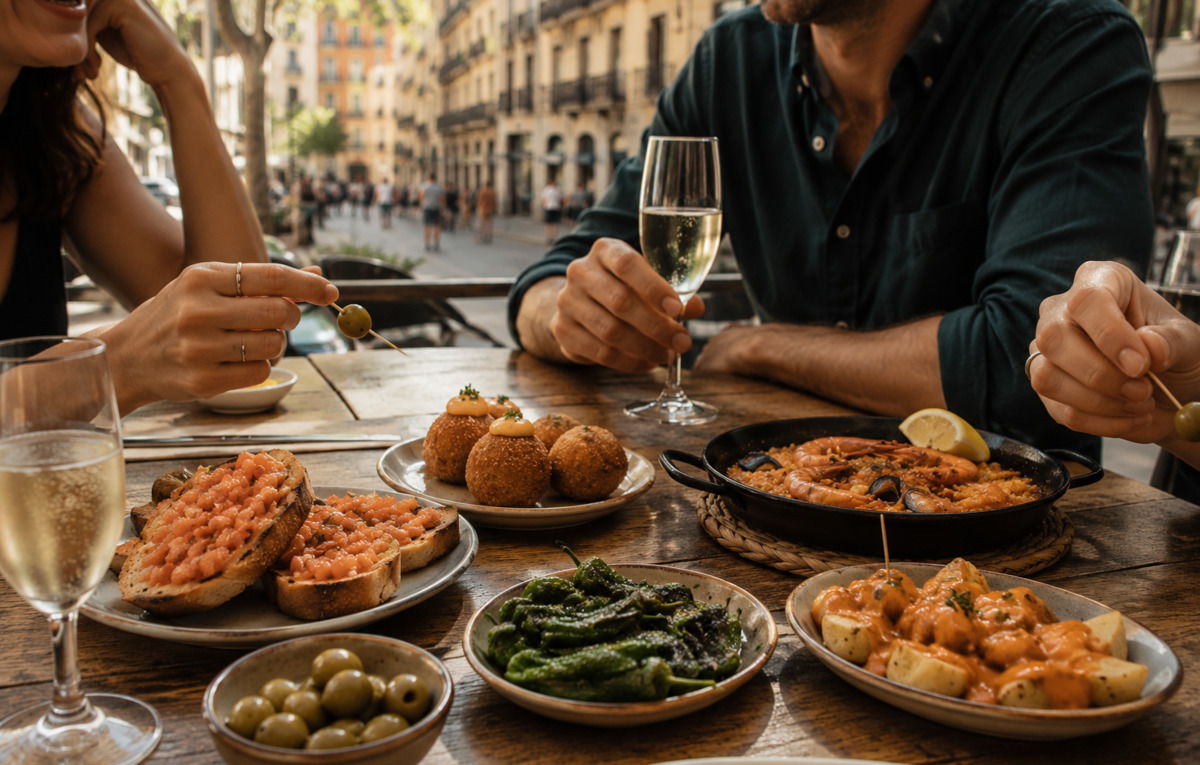
Barcelona attracts travellers not only with Gaudí's architecture and its Mediterranean atmosphere. For many visitors, discovering the city begins with its local cuisine. Catalan dishes, fresh seafood, traditional appetisers, flavourful jamón, markets filled with local produce and restaurants with centuries of history make Barcelona one of Europe's leading culinary destinations.
If you are planning a trip and deciding where to eat in Barcelona and what to try, this guide will help you discover the most famous dishes of Catalan cuisine, explore the city's most interesting gastronomic districts and create your own route through the finest flavours of the Catalan capital.
Below, you will learn which dishes you absolutely must try in Barcelona, where to find the best tapas, which districts are home to the most interesting restaurants and bars, and which food markets are worth visiting during your trip.
- What to try in Barcelona — the main Catalan dishes that are worth ordering at least once
- Tapas and traditional Catalan appetisers — tortilla, croquetas, pimientos de padrón, jamón and local delicacies
- Barcelona desserts — crema catalana, xuixo, churros and coca dulce
- What to drink in Barcelona — vermouth, cava, ratafía and other local beverages
- Where to eat in Barcelona — the city's best gastronomic districts
- Barcelona food markets — La Boqueria, Santa Caterina and other markets in the city
- Useful tips for tourists — when to visit markets, where to find authentic restaurants and how to avoid tourist traps
What to try in Barcelona
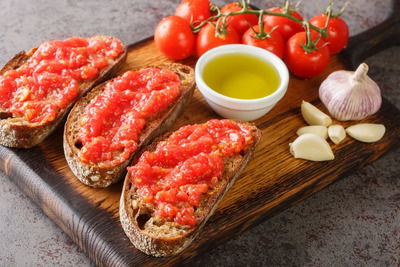
The first dish you should try in Barcelona is, of course, pa amb tomàquet. This simple bread rubbed with ripe tomatoes and drizzled with olive oil is considered one of the main symbols of Catalan cuisine. It is served in almost every restaurant in the city — either as an appetiser on its own or as an accompaniment to meat and fish dishes.
One of the few dishes truly associated specifically with Barcelona is the famous Bombas de Barcelona. These fried potato balls with a meat filling originated in the Barceloneta district and eventually became one of the city's most popular local appetisers. They are usually served with a spicy sauce and aioli.
Although Valencia is considered the birthplace of paella, it remains one of the most popular dishes in Barcelona. In addition to the classic paella, it is worth trying fideuà — a dish made with thin noodles and seafood, which many Catalans enjoy just as much as traditional paella.
Those interested in local cuisine should also try escalivada — a traditional appetiser made from roasted vegetables, usually aubergines, sweet peppers and onions. It is one of the most characteristic dishes of Catalonia and is commonly found both in traditional restaurants and modern gastrobars.
Among meat dishes, butifarra amb mongetes is particularly popular — Catalan butifarra sausage served with white beans. Despite its simplicity, it is one of the region's most recognisable dishes and an important part of local culinary traditions.
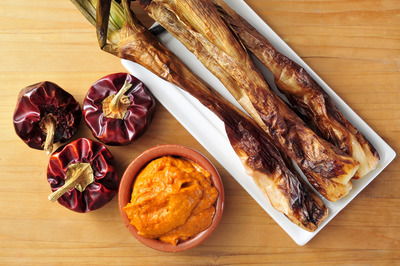
If you are visiting Barcelona between November and April, be sure to try calçots con salsa romesco. This is one of the most famous gastronomic symbols of Catalonia. Calçots are a special variety of green onion that is roasted over an open fire and served with rich romesco sauce made from nuts, peppers and olive oil. During the winter months, many restaurants in Barcelona include this dish on their seasonal menus.
Fresh seafood also deserves special attention. Thanks to its location on the Mediterranean coast, Barcelona offers the opportunity to try red prawns, squid, octopus, mussels and a wide variety of fish dishes. Many restaurants receive fresh catches daily, making seafood an important part of the local gastronomy.
Barcelona offers an enormous variety of dishes, but it is pa amb tomàquet, bombas, fideuà, calçots, butifarra and fresh seafood that provide the best introduction to Catalonia's culinary traditions and allow visitors to experience the true flavour of the city.
Tapas and traditional Catalan appetisers
It is difficult to imagine discovering Barcelona's gastronomy without tapas. Many tourists mistakenly believe that tapas is a specific dish, but in fact the term refers to small appetisers served with drinks or ordered in several varieties to share with a group.
There are several theories about the origin of the name. According to the most popular legend, a piece of bread or ham was used as a kind of "cover" (tapa) for a glass of wine in order to protect the drink from dust and insects. Over time, this practice evolved into an entire culinary tradition that is now considered one of Spain's most recognisable hallmarks.
In Barcelona, tapas culture is especially popular. Instead of ordering one large dish, many people prefer to choose several different appetisers and share them around the table. This allows diners to sample more local flavours and makes lunch or dinner more varied.
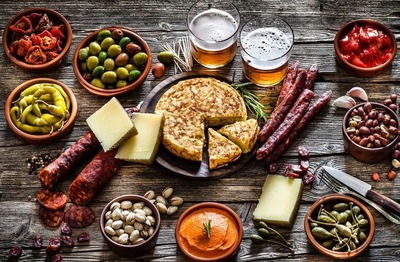
Among the most popular appetisers in Barcelona is tortilla de patatas — the famous Spanish omelette made with potatoes and eggs. In many bars, it is served either as a standalone dish or on a small slice of bread in the form of a pintxo. Despite its simple ingredients, a good tortilla is considered a true source of pride for many establishments.
You should also try croquetas caseras — homemade croquettes filled with jamón, cheese or seafood, pimientos de padrón — small fried green peppers sprinkled with sea salt, as well as various types of anchovies and marinated sardines.
Seafood lovers are recommended to try mejillones al vapor — steamed mussels, navajas a la plancha — razor clams cooked on a grill, and fresh squid. Thanks to the proximity of the Mediterranean Sea, these appetisers can be found on the menus of many restaurants and tapas bars throughout the city.
Catalan meat delicacies also deserve special attention. In many establishments, you can order a selection of fuet, llonganissa, jamón and local cheeses. These appetisers are an excellent way to discover the traditional products of the region.
One of the best ways to experience the atmosphere of Barcelona is to spend an evening in a tapas bar, leisurely sampling different dishes and becoming acquainted with the local gastronomic culture. This style of dining remains one of the most popular among both local residents and visitors to the city.
Barcelona desserts: What sweet lovers should try
After exploring Catalan cuisine, it is time to move on to desserts. Interestingly, sweets in Barcelona differ noticeably from the French or Italian desserts many travellers may be familiar with. You will rarely find overly elaborate multi-layered cakes here. Instead, many traditional Catalan desserts are based on simple local ingredients such as milk, cheese, honey, nuts and freshly baked pastries.
The signature dessert of Barcelona and all of Catalonia is Crema Catalana. At first glance, it resembles French crème brûlée, but locals will quickly explain that it is an entirely different dessert. Crema Catalana is made with milk rather than cream and is usually flavoured with cinnamon and citrus zest. It is topped with a thin caramelised crust that is cracked with a spoon before the first bite. For many tourists, it becomes one of the most memorable flavours of Barcelona.
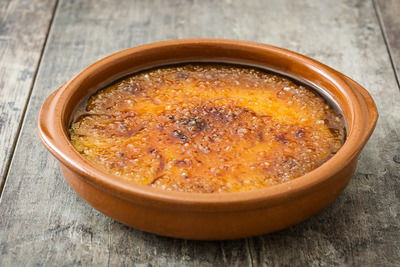
If you would like to try something more authentic and less well known outside Catalonia, pay attention to Mel i Mató. This dessert consists of fresh soft mató cheese served with honey and sometimes nuts. Many visitors are initially sceptical, but locals often describe it as one of the most underrated Catalan desserts. It is light, not overly sweet and makes an excellent choice after a hearty meal.
Pastry lovers should try Xuixo — the famous Catalan pastry originating from Girona. It is filled with custard cream, fried and coated with sugar. Many people call xuixo a true "calorie bomb", but that is precisely why it is so popular. It pairs especially well with a morning coffee. If you enjoy sweet pastries, this dessert often leaves a much stronger impression than an ordinary croissant.

Special attention should also be given to churros with hot chocolate. Although this dessert cannot be considered exclusively Catalan, it remains extremely popular in Barcelona. It is particularly enjoyable on a cool evening or during the winter months. The hot chocolate served here is so thick and rich that many people use it more as a dipping sauce for the churros than as a drink.
If you visit one of the local pastry shops, be sure to look for different varieties of Coca de Sant Joan (coca dulce) — a traditional Catalan sweet pastry topped with cream, fruit, nuts or sugar. Depending on the season and local festivities, recipes can vary considerably, making it easy to discover unique versions of this traditional dessert in different parts of Barcelona.
Interestingly, Catalans themselves often prefer desserts that are not excessively sweet. As a result, many traditional sweets from the region feel lighter than desserts found elsewhere in Europe. While Crema Catalana tends to appeal to almost everyone, Mel i Mató is especially appreciated by those who do not enjoy overly sugary flavours. Xuixo, on the other hand, more often becomes a favourite among true sweet lovers.
What to drink in Barcelona
Barcelona can surprise visitors not only with its cuisine but also with its drinks. Many travellers arrive hoping to try the famous sangria, yet locals themselves often choose quite different beverages. From traditional Catalan vermouth to sparkling cava, no gastronomic introduction to the city would be complete without exploring its drinks.
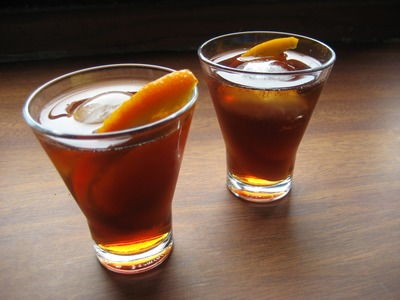
One of the most characteristic drinks of Barcelona is vermut (vermouth). In recent years, vermouth culture has experienced a true renaissance, and many bars throughout the city specialise in it. Vermouth is usually served over ice with a slice of orange and a selection of small appetisers. Catalans even have an expression, hacer el vermut, which means not simply having a drink, but meeting friends before lunch and enjoying time together in good company.
If there is one drink most strongly associated with Catalonia, it is undoubtedly cava. This Catalan sparkling wine is produced mainly in the Penedès region, located not far from Barcelona. The production method is similar to that of Champagne, although cava has its own distinct character and centuries-old traditions. It can be found both in expensive restaurants and in ordinary bars at very reasonable prices.
Many tourists order sangria, but Spaniards themselves often prefer the lighter tinto de verano. This refreshing drink is made from red wine and lemon soda and is particularly popular during the hot summer months. For many people in Spain, tinto de verano remains the quintessential summer drink.

Wine lovers should pay attention to local Catalan wines. Wines from the Priorat and Penedès regions are especially highly regarded and are regularly ranked among the best wine-producing regions in Spain. Many restaurants in Barcelona offer both well-known labels and wines from small family-run wineries.
During the warmer months, many people choose horchata — a refreshing drink made from tiger nuts. Although it originated in Valencia, horchata is also widely available in cafés and specialised establishments throughout Barcelona. It is particularly enjoyable in summer when temperatures rise above 30 degrees Celsius.
Those who enjoy coffee should try carajillo — an espresso served with a splash of liqueur or brandy. This drink is especially popular after lunch or dinner and remains one of the classic traditions of Spanish culture.
If you would like to discover something less familiar, look for ratafía. This traditional Catalan liqueur is made from green walnuts, herbs and spices. Its flavour may seem rather unusual at first, but drinks like this offer one of the best ways to experience local gastronomic traditions.
Interestingly, the people of Barcelona themselves most often recommend trying vermouth and cava. These drinks best reflect the atmosphere of the city and remain an important part of Catalan gastronomic culture. Sangria, despite its popularity among tourists, is regarded by many locals as more of a drink for visitors to Spain.
Where to eat in Barcelona
Barcelona is one of Europe's finest gastronomic cities. It is almost impossible to go hungry here: from small family-run taverns and traditional tapas bars to fine dining establishments and Michelin-starred restaurants. However, the culinary atmosphere varies greatly from one district to another, so choosing where to have lunch or dinner often depends not only on the cuisine but also on which side of Barcelona you would like to experience.
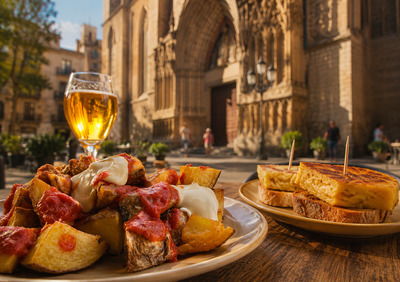
If you are visiting the city for the first time, it is useful to know which districts are considered Barcelona's main culinary centres and what makes each of them unique.
El Born — for tapas and evening strolls
El Born is considered one of the most atmospheric districts in Barcelona for discovering local gastronomy. Hidden among its medieval streets are dozens of tapas bars, wine venues and small Catalan restaurants. Many travellers begin their exploration of Barcelona's culinary scene right here. The district becomes especially lively in the evening when locals gather over a glass of wine, vermouth and small appetisers.
If you would like to experience the atmosphere of old Barcelona while combining dinner with a walk through the historic centre, El Born is one of the best choices.
Gothic Quarter (Barri Gòtic) — history and traditional cuisine
The Gothic Quarter attracts visitors not only with its architecture but also with its large number of traditional restaurants and historic establishments. Here you can enjoy classic Catalan dishes, tapas and local wines among narrow streets whose history stretches back several centuries. Many travellers combine visits to the Cathedral, Plaça de Sant Jaume and the surrounding quarter with lunch or dinner in one of the district's historic restaurants.
Eixample — the gastronomic heart of modern Barcelona
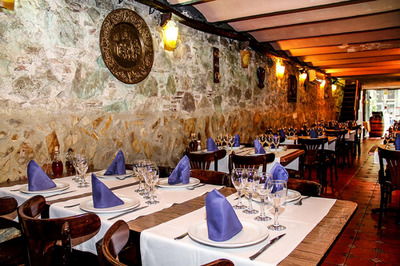
If there is one district that offers the greatest culinary diversity in the city, many locals would name Eixample. It is home to traditional Catalan restaurants, modern gastrobars, wine venues, brunch cafés and fine dining establishments. A significant number of Barcelona's best restaurants are located here, including several awarded Michelin stars.
Eixample is ideal for those who want to experience contemporary Catalan cuisine and see how the region's culinary traditions blend with modern gastronomic trends.
Gràcia — the favourite district of local residents
Gràcia is often considered one of Barcelona's most authentic districts. Despite its proximity to the city centre, it retains the atmosphere of a small Catalan town, with charming squares, family-run restaurants and vermouth bars. Many Barcelona residents come here specifically to enjoy dinner away from the main tourist routes. The district is known for its relaxed atmosphere and large number of independent gastronomic projects.
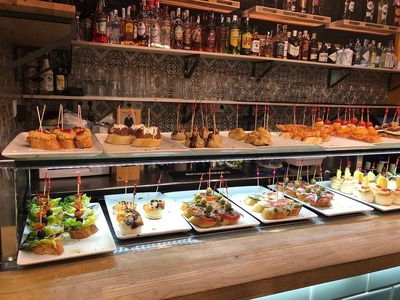
If you would like to experience a more everyday and local side of the city, Gràcia is an excellent choice.
Poble-sec — a gastronomic district for food lovers
Over recent years, Poble-sec has become one of Barcelona's most exciting culinary districts. Traditional tapas bars stand alongside wine venues and modern restaurants specialising in creative cuisine. Many renowned chefs have opened their projects here, helping Poble-sec gradually earn a reputation as one of the city's leading gastronomic destinations.
It is an excellent option for travellers who are already familiar with Barcelona's classic tourist districts and would like to discover something different.
Barceloneta — seafood and dinner by the sea
If you would like to try fresh fish, seafood and rice dishes while enjoying views of the Mediterranean Sea, Barceloneta is the place to go. This former fishing quarter remains one of the best areas in the city for discovering Catalonia's maritime cuisine. It is particularly pleasant to visit in the evening, when you can combine a stroll along the beach with dinner by the sea.
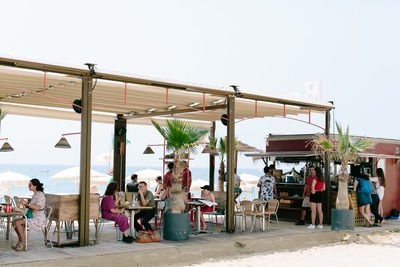
Many visitors try fideuà, Catalan-style fish dishes and various seafood rice specialities here for the very first time.
Regardless of which district you choose, there is one simple rule in Barcelona: the further you move away from the busiest tourist streets and the more local residents you see among the customers, the greater the chance of finding a truly interesting gastronomic venue. And for a first introduction to local products and Catalan cuisine, be sure to visit the city's famous food markets as well.
Barcelona food markets
If you would like to discover Barcelona's cuisine not only from a restaurant table but also see where local gastronomy begins, you should definitely visit one of the city's markets. For many residents of Barcelona, the market remains the main place to buy fresh produce, while for travellers it offers the opportunity to experience Catalan cuisine in its most authentic form.
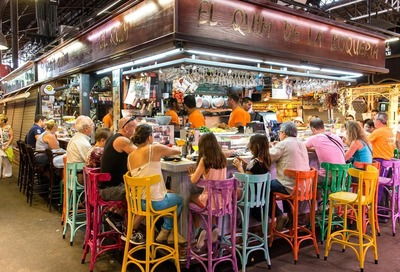
Barcelona's markets offer dozens of varieties of jamón and cheese, the freshest seafood, seasonal fruit and vegetables, local wines, olives, horchata and many other products that form the foundation of Catalan cuisine. In addition, most markets feature small gastronomic bars where dishes are prepared using ingredients sold just a few metres away on neighbouring stalls.
The city's most famous market is La Boqueria, located next to La Rambla. It is a true gastronomic symbol of Barcelona, where visitors can sample tapas, seafood, jamón and other local delicacies. However, many local residents prefer less touristy markets such as Mercat de Sant Antoni, Mercat del Ninot and Mercat de Santa Caterina, where the atmosphere remains more relaxed and authentic.
Seafood lovers should visit Mercat de la Barceloneta, located close to the sea, while those who would like to experience everyday city life away from the tourist routes may enjoy the markets in the Sants, Eixample or Hostafrancs districts.
The best time to visit the markets is during the first half of the day. This is when local residents do their shopping, all stalls are fully open and the selection of products is at its widest. In addition, many of the popular food bars inside the markets begin to fill up by lunchtime.
You can find a detailed guide to the city's most interesting markets in our separate article about Barcelona food markets, which features the most famous and atmospheric markets in the city.
After discovering Catalan food, it is useful to learn a few local gastronomic habits and tips that will help you avoid common tourist mistakes and make your experience of Barcelona even more enjoyable.
Gastronomic tips for visiting Barcelona
Do not be surprised if the best rice restaurants ask you to book in advance. In Catalonia, quality rice dishes are often prepared only to order. In many restaurants, paella, arroz caldoso or arroz negro must be ordered several hours in advance and sometimes even the day before.
The menu del día remains an important part of everyday local life. Many restaurants in Barcelona offer a menú del día on weekdays — a set lunch that includes a starter, main course, drink and dessert. This is how many local residents have lunch, making it one of the best ways to try home-style Catalan cuisine at a reasonable price.
In Barcelona, restaurants are often judged by their bread and tomatoes. Catalan pa amb tomàquet may seem like a very simple dish, but many locals form their first impression of a restaurant based on the quality of the bread, olive oil and tomatoes.
Seasonality still plays a major role here. In winter, restaurants serve calçots with romesco sauce; in spring, seasonal artichokes appear; summer brings dishes based on fresh tomatoes and seafood; while autumn menus often feature wild mushrooms and game dishes. As a result, gastronomic experiences in Barcelona can vary considerably depending on the time of year.
Some of the best culinary discoveries happen not in restaurants but in markets. Many municipal markets have small bar counters where dishes are prepared using ingredients sold literally a few metres away. It is often here that visitors can taste some of the freshest seafood in the city.
Catalan cuisine is far more than paella. Many travellers come to Barcelona looking for paella, but Catalans themselves are often more proud of dishes such as esqueixada, escalivada, botifarra, fricandó and suquet de peix. These dishes provide a much deeper understanding of the local gastronomic culture.
Barcelona is one of the best cities in Spain for culinary experimentation. Alongside traditional taverns, the city offers an enormous number of modern bistros, chef-led restaurants and venues specialising in contemporary Catalan cuisine. For this reason, it is worth going beyond the classic tourist dishes — Barcelona is an excellent destination for discovering both the traditional and modern sides of Catalan gastronomy.
What else to see in Barcelona and the surrounding area
If you enjoyed Barcelona's gastronomy, it is worth exploring the city's other attractions as well. Below you will find articles that will help you plan walks around Barcelona and interesting trips throughout Catalonia.
- Barcelona attractions — a ready-made route covering the city's main sights, including Sagrada Família, the Gothic Quarter, Park Güell and other iconic landmarks.
- Montjuïc — viewpoints, a historic fortress, gardens and one of Barcelona's most beautiful areas for a stroll.
- Tibidabo mountain — the best panoramic views of Barcelona, the Temple of the Sacred Heart and the famous amusement park.
- Barcelona street markets — flea markets, farmers' markets and atmospheric shopping areas throughout the city.
- Barcelona transport — how to use the metro, buses and transport cards during your trip.
- Badalona — a seaside town near Barcelona with long beaches, a pleasant promenade and fascinating Roman heritage.
- Sitges — one of the most beautiful resorts on the Catalan coast, featuring a charming old town and excellent restaurants.
- Montserrat — the famous monastery surrounded by extraordinary mountain landscapes and one of the most popular excursions from Barcelona.
- Barcelona amusement parks — ideas for family outings with children and for thrill-seekers alike.
- Water parks near Barcelona — the best water parks in Catalonia for a fun summer day out with the whole family.
Barcelona is fascinating not only for its architecture and gastronomy. From here, it is easy to head to the coast, explore the mountains of Montserrat, visit seaside resorts or discover neighbouring Catalan towns, each revealing a different side of the region.

 English
  Español
  Русский